































































With ARBs linked to a higher risk of suicide, investigators suggest treating diseases like hypertension, chronic kidney disease, heart failure, and diabetes with ACEIs instead.
With ARBs linked to a higher risk of suicide, investigators suggest treating diseases like hypertension, chronic kidney disease, heart failure, and diabetes with ACEIs instead.

Far and away, cardiovascular disease is the greatest killer of people in the US. At the crux of it is heart failure, an often misunderstood condition in need of improved options.
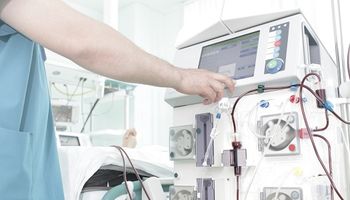
The results of a new survey regarding quality of care for end stage renal disease patients raise questions about how to improve the quality of end-of-life care.

While depression does not impact functional recovery much following discharge, both dementia and delirium could affect a geriatric patient’s functional status.

The CDC Influenza Division medical director reported new findings at IDWeek showing older patients with influenza subtype A were more likely to be hospitalized.

The geko device is designed to increase blood circulation and edema reduction to prevent venous thrombosis in non-surgical patients.

Recent measures in the UK has led to a drop in IBD patients using corticosteroids to excess.

How a community-based assessment can show physicians the ways in which the flu spreads.

In a new meta-analyses, investigators find a lack of evidence showing the links between antidepressants and adverse health risks.

In the updated guidelines, investigators suggest direct-acting antivirals as the preferred treatment for hepatitis C viral infections in chronic kidney disease patients.

A study from cardiologists at UPMC Children's Hospital of Pittsburgh examining changes to criteria in 2016, which aimed to improve mortality rates among pediatric candidates for heart transplantation, found rates have worsened for certain conditions.
HIV patients will be allowed to switch to doravirine or doravirine/lamivudine/tenofovir disoproxil fumarate if they are virally suppressed with no prior history of treatment failure.

While better therapies exist to treat patients with heart failure with reduced ejection fraction, there are several hurdles preventing them from being implemented.

A recent analysis of 24 studies found that many medical students or recent graduates feel their education on nutrition was lacking during medical training.
At the annual meeting dedicated to heart failure, investigators present nutritional recommendations for patients, which includes dietary consultations, bariatric surgery, and a reduction in saturated fats and sodium.

While the benefits are clear, there are still some hurdles that remain preventing an increase in suggested dialysis frequency.
A study presented at HFSA 2019 Scientific Sessions found that virtual visits were a feasible option that could reduce no-show rates among heart failure patients following hospitalization.

By doubling the recommended weekly dialysis, patients see a number of benefits, including a reduction in blood pressure and improvements in cardiovascular vibration.
Lab tests confirm low levels of NDMA in the popular heart burn medication, sparking a probe in the US and Europe.

A study from Brigham and Women's Hospital found asking clinicians if they would be surprised if older patients would die in the next month could save patients money on healthcare and improve quality of end-of-life care.

A group of 370 leading healthcare organizations have sent a letter to congress in support of a bipartisan bill that would protect Medicare Advantage Beneficiaries from delays caused by prior authorizations.
A recent study found that 10% of the drugs and devices approved by the FDA during the study period were based on non-randomized clinical trials.

Approximately 700,000 adults in the US as of 2016 are suffering from end-stage kidney disease, with transplantation viewed as the preferred treatment.
Suraj Kapa, MD, takes part in an episode of DocTalk where he discusses the results of a recent study he led and how to implement technology into cardiology in a way that benefits patients and physicians.

In a retrospective study using the data of 20,741 patients, investigators discover the primary cause of emergency department visits for geriatric patients is head trauma.