


































































In the largest analysis of its kind, a team of investigators from Italy are shedding new light on the impact of aspirin use and risk of cancers of the digestive tract.
In the largest analysis of its kind, a team of investigators from Italy are shedding new light on the impact of aspirin use and risk of cancers of the digestive tract.

SEP-36856 helps patients with schizophrenia manage some of the side effects commonly found in antipsychotics.

New research is shedding light on the long-term outcomes of percutaneous coronary intervention in patients with stable ischemic heart disease.

Many patients are at an increased risk of opioid-related harms, including fatal overdose.

The findings suggest that screening for PTSD and moral injury while women are pregnant is important to identify those who may need treatment for such problems.

Higher levels of baseline anxiety was linked to a greater reduction of symptoms using cognitive behavioral therapy adapted for cognitive impairments following a traumatic brain injury.

Patients with TED might be particularly vulnerable to COVID-19 infections.

The intervention is no better than usual care at improving the mood or burden of those caring for adults with advanced heart failure, according to new findings.

A discussion about a recent scientific statement outlining the treatment of coronary artery disease in type 2 diabetics from the AHA with statement co-author Deepak Bhatt, MD.
Patients who do not have the coronavirus should continue IBD therapies, including all scheduled infusions.
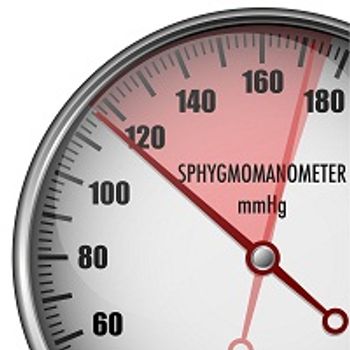
A new study analyzing at-home blood pressure devices available for purchase online has found most are not validated—bringing their accuracy into question.

A long-form discussion with a pair of professors and pediatricians from the University of Florida College of Medicine.

VR is a promising learning strategy to prepare students to be part of a collaborative workforce.

A discussion with Paul W. Armstrong of the University of Alberta, on the pandemic's effect on common ICU conditions.

Filip Janku, MD, PhD, discusses new post hoc analyses for the opioid receptor antagonist in advanced-illness patients.

New research is shining light on the use of eGFR as a biomarker for increased cardiovascular risk.

The findings can inform the development of health messaging tailored to older women with chronic conditions.

AXS-07 showed statistical significance for migraine pain freedom at 90 minutes, and at every time point after.
An interview with a pair of pediatricians and professors from the University of Florida College of Medicine discussing the use of telehealth in COVID-19.
Paul W. Armstrong, MD, joins to discuss the virtual cardiology sessions, as well as his team's new findings for vericiguat in high-risk heart failure.

New data shows higher rates of cancer and cardiovascular disease deaths for patients with celiac disease.

New phase 3 IMMhance findings show durable, sustained effect of the IL-23 inhibitor on a 12-week dose regimen.

How AI and interoperability affect the spread and treatment of COVID-19.
Results of an analysis of more than 20 randomized trials indicates women are at a greater risk of MACE and all-cause mortality than men following PCI.

Al Rizzo, MD, of the American Lung Association, discusses some of the biggest challenges and questions raised on lung health during the coronavirus pandemic.