
































































Over 4 decades, the lessons I learned from my first chief of medicine have never wavered in value.
Over 4 decades, the lessons I learned from my first chief of medicine have never wavered in value.

Timely identification of non-responders could reduce toxicities and costs, investigators wrote.

How do primary care physicians interact with specialists, and what is the current state of care?

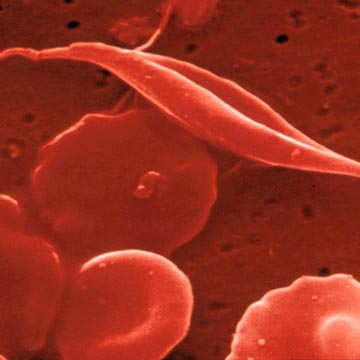
During the annual ASH meeting, investigators issue new clinical development guidelines for sickle cell disease therapies.

A systematic review shows women are putting their offspring at risk of various chronic conditions, based on their improper diets.

Results of a pilot study examining the impact of a 10-hour restricted eating window in patients with metabolic syndrome indicate the dietary intervention could help patients lose weight and improve their symptoms without changes in physical activity

Patients want to engage with their physicians in ways that are easy and convenient for them, according to a recent 1000-patient survey.

In a new trial, investigators find glecaprevir and pibrentasvir is safe to treatment HCV patients who failed treatment with an NS5A inhibitor.

In 2015, a study changed the entire understanding of peanut allergen exposure. Physicians are still trying to understand how to implement it today.

A new analysis is painting a clearer picture of the impact and causes of the rise and fall of US life expectancy between 1959 and 2017.

Results of a recent study have found ice baths, also known as cold water immersion, could actually have a negative impact on repairing and building muscle.

A new cohort analysis shows hospitalized smokers are not at complication risk due to the perioperative therapy.
As I prepare for my Thanksgiving meal, I’m struck by the number of CPT codes that physicians may have to use this season.

Arjun Masurkar, MD, PhD, previews some of the new medications that could help treat Alzheimer disease, while reviewing some of the advancements of the last decade.

Patient demographics influence difference symptoms, progression, and benefits of care.
The study author provides insight into the benefit of inclisiran in at-risk patients with ASCVD.
During AHA, investigators suggest ways to improve care for women in regard to diabetic and cardiovascular interventions.
How cardiologists have forged the often different goals of improving patients' life expectancies, with improving their quality of life.

A fourth-year cardiology medical student shares his perspectives from the audience at the American Heart Association Scientific Sessions.

The adult heart failure study is the first of its kind: a completely decentralized, indication-seeking clinical trial.
Results from the 400,000-plus patient trial show a pulse detection app on the Apple Watch may aid users in detecting risks of atrial fibrillation.
Crizanlizumab is the first ever drug approved to reduce vaso-occlusive crises in patients with the rare blood disease.
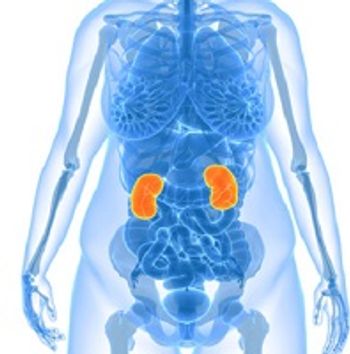
Studies are ongoing to test the safety and efficacy of treating primary hyperoxaluria type 1 patients with lumasiran.

George Mulligan, PhD, discusses during Kidney Week the results of a phase IIa study showing potential in a new drug to treat patients at risk for developing an acute kidney injury following cardiovascular surgery.

Certain diet-based comorbid conditions are more prevalent in food-allergic patients.