




























































Brad Rovin, MD, discusses the NOBILITY study while at Kidney Week and what its impact on patients with lupus nephritis will be.

Brad Rovin, MD, discusses the NOBILITY study while at Kidney Week and what its impact on patients with lupus nephritis will be.
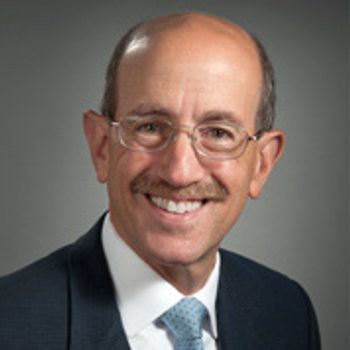
Investigators present new data from the OLYMPUS and ROCKIES trials during Kidney Week.
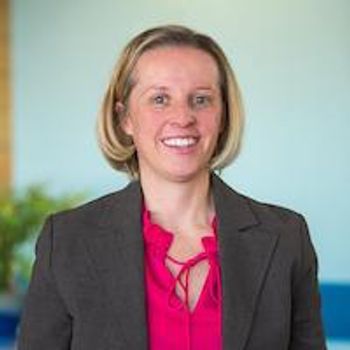
Katja Gist, DO, discusses better ways to prevent acute kidney injuries in pediatric patients who have cardiac surgery.
Brad Rovin, MD, of The Ohio State University, discusses during Kidney Week what is needed for better outcomes for patients with lupus nephritis.
Investigators test a potential treatment for the most common hereditary kidney disease during Kidney Week.
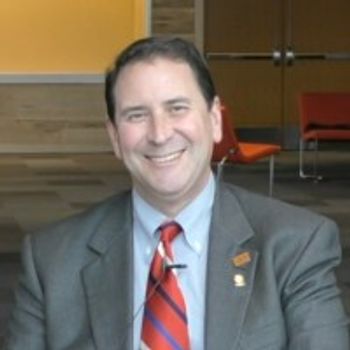
Cash talks ACG 2019 highlights and shares the findings of a poster presentation on a new bowel preparation for colonoscopy.

Despite a higher genetic risk, investigators link physical activity with decreased odds for developing depression.

A new meta-analysis of more than 31 randomized trials found fish oil supplements—specifically omega-3, alpha-linolenic acid, and total polyunsaturated fats—had little to no impact on the treatment or prevention of depression or anxiety symptoms.
During the ACG meeting, investigators tested a subcutaneous form of vedolizumab to treat ulcerative colitis.

Hahn will replace Ned Sharpless, MD, who took over after former commissioner Scott Gottlieb stepped away from the role earlier this year.

Miguel Regueiro, MD, of the Cleveland Clinic, talks about some of the medications that treat ulcerative colitis and Crohn's disease at the annual ACG meeting.
With the recent FDA approval, ustekinumab could be the first choice to treat ulcerative colitis.

A new Mayo Clinic study has found that patients with microvascular endothelial dysfunction were more than twice as likely to be diagnosed with solid-tumor cancer than their counterparts without dysfunction.

After decades of development, researchers are nearing clinical trials for immune response-shifting vaccines. Will they be feasible for patients, and accepted by clinicians?