





MASH / MASLD
Latest News
Advertisement
Latest Videos





CME Content























































Advertisement
More News

New Phase 3 trial results reveal semaglutide's effectiveness in treating metabolic dysfunction-associated steatohepatitis, offering hope for millions.
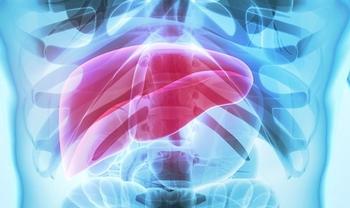
Findings suggest the benefit of MASLD-focused anti-inflammatory interventions for promoting brain health and preventing accelerated brain aging.

Findings suggest greater physical activity volume and intensity are linked to a reduced risk of all-cause and cardiovascular disease mortality in MASLD.
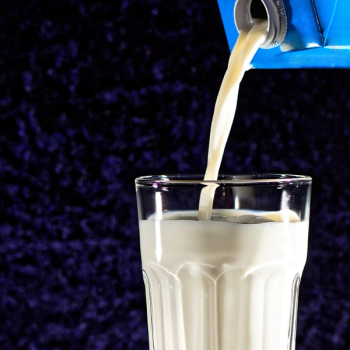
Findings suggest frequent consumption of non-skimmed milk may heighten the risk of developing MAFLD.

The new global guideline consensus streamlines and simplifies existing MASLD recommendations from current guidelines and guidance documents.
Our Q1 recap for hepatology spotlights regulatory updates, clinical trial data, 2 new guidance documents, and the anniversary of a historic FDA approval.

Bariatric surgery was associated with improved overall survival at an acceptable health care cost within a 10-year horizon.
The month in review spotlights coverage of the anniversary of resmetirom’s FDA approval and research in autoimmune hepatitis, HBV vaccination, and MASLD.

Patients with celiac disease had a 2-fold greater risk of developing a chronic liver disease and experiencing major adverse liver outcomes.

In the RADIcAL-1 trial, mpMRI with LiverMultiScan reduced liver biopsies, led to fewer specialist consultations, and improved MASLD diagnosis rates.

In the final segment of this 6-part HCPLive RX Review, experts discuss resmetirom’s significance and what else gives them hope for the future of MASH care.
In the fifth segment of this 6-part HCPLive RX Review, experts discuss the evolving role of noninvasive testing in MASH care.
In the fourth segment of this 6-part HCPLive RX Review, experts discuss the continued importance of diet and exercise for managing MASH.
In the third segment of this 6-part HCPLive RX Review, experts discuss investigational therapies in the MASH pipeline and the use of combination therapy.
In the second segment of this 6-part HCPLive RX Review, experts discuss unmet needs in MASH care, even with resmetirom available as a treatment option.
In the opening segment of this 6-part HCPLive RX Review, experts reflect on resmetirom’s FDA approval for MASH and clinical challenges to implementing it.

Daily screen time exceeding 5 hours was associated with a greater risk of hepatic steatosis in adolescents, partially mediated by BMI.

Findings suggest cardiometabolic risk factors, diet, exercise, and social determinants of health are associated with HRQoL and fibrosis in MASLD.

ChatGPT offered valuable individualized nutritional recommendations for MASLD management, but they did not fully align with established guidelines.
The hepatology month in review spotlights HCPLive’s coverage of hepatic drug development and research about GLP-1 RAs, viral hepatitis, and MASH.

Stine explains key components of a new multidisciplinary MASLD care model and how it improves upon preexisting models.
Stine explains the continued need for diet and exercise in MASH and the importance of a multidisciplinary approach to treating these patients.

Positive 2-year results from the open-label compensated MASH cirrhosis arm of the MAESTRO-NAFLD-1 trial highlight resmetirom’s impact on liver stiffness.

Despite decreasing death rates, an analysis of GBD 2021 data highlights the increasing incidence of cirrhosis and other chronic liver diseases.

The analysis of US healthcare claims data suggests noninvasive methods are being used more often than liver biopsies for the diagnosis of MASH.
Advertisement
Advertisement
Trending on HCPLive
1
New Injectable Substantially Reduces Visceral Adipose Tissue in Obesity
2
Remibrutinib Receives FDA Approval for Symptomatic Dermographism
3
When to Switch Biologics in Severe Asthma, With Florence Schleich, MD, PhD
4
RELIEVE-AD-PEDs: Dupilumab Sustains Adolescent Atopic Dermatitis Control at 1 Year
5