



Plaque Psoriasis
Latest News


Link Identified Between Obesity, Inflammatory Skin Diseases Such as Psoriasis
By Tim Smith

Psoriasis Severity, Systemic Inflammation Associated with Cardiovascular Disease
By Tim Smith
Advertisement
Latest Videos




CME Content




























































Advertisement
More News

In this cross-sectional survey analysis, new insights were explored regarding clinical practice patterns and treatment outcomes within dermatology practices in the US.

These results point to the value of awareness among physicians and patients of the risk of psoriasis linked to immunotherapy during cancer care.
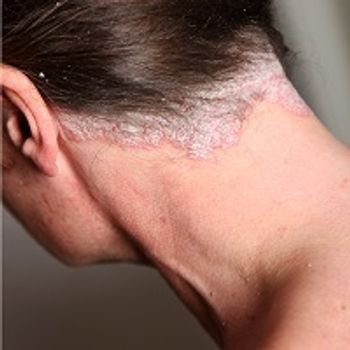
The oral therapy may address limitations including difficulty in application and adverse events with topical therapies.
In this Month in Review summary, some of the most notable advancements and developments in the field of dermatology were highlighted.

Risankizumab achieves significantly higher rates of skin clearance and improved quality of life versus deucravacitinib in matching-adjusted indirect comparison analysis.

In this analysis, investigators identified several markers such as monocyte-high-density lipoprotein cholesterol ratio and C-reactive protein values.

This interview from Fall Clinical highlights the broader implications of the phase 3 data resulting from the ARRECTOR trial on roflumilast foam for those with psoriasis.
This interview following Fall Clinical highlights new phase 3 data on patient-reported outcomes from the ARRECTOR study evaluating roflumilast foam for psoriasis.

These data suggest brodalumab’s safety profile is consistent with findings from long-term clinical trials, with no new occurrences of suicide and a low rate of fungal infection.

In her Fall Clinical interview, Murina highlighted several key takeaways related to her talk titled ‘Managing Psoriasis with Oral Therapy: 2024 & Beyond.’

These data demonstrated guselkumab’s success for the majority of patients with low body surface area (BSA) moderate plaque psoriasis and special site involvement.
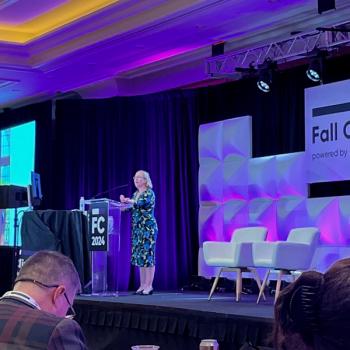
This talk was titled ‘Heard About It, Did It, Now it's Part of My Practice,’ during which Swanson highlighted creative options for conditions such as guttate psoriasis and pyogenic granulomas.

In the first part of his Fall Clinical presentation on new topical medications, Del Rosso discusses new therapies available for use among dermatologists.

Given the distrust some patients with conditions such as alopecia areata and psoriasis have regarding JAK inhibitors, this analysis highlights several approaches to such concerns.

This analysis aligns with previous research into dose optimization of biologics for psoriasis, affirming enhancement of outcomes without compromising patient safety.

In this analysis, the investigators sought to assess the efficacy and safety of risankizumab compared to placebo for patients with palmoplantar psoriasis.
These data resulted from comparisons of the time to onset of action among various available systemic medications for those with plaque psoriasis.

This online diagnostic tool’s implementation among study participants led to increased confidence in making diagnoses of chronic plaque psoriasis.
In this Month in Review, we highlighted some of the most notable stories covered in the dermatology space during September 2024.
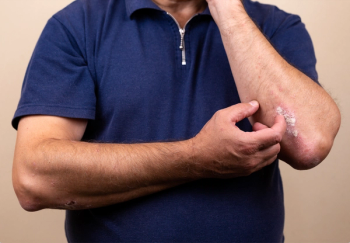
A study shows secukinumab clears skin lesions faster than ustekinumab in generalized pustular psoriasis, with improved responses observed by week 2.

Study findings highlight the individual and combined impact of smoking tobacco and drinking alcohol on achieving PASI75 after 8 weeks of treatment.
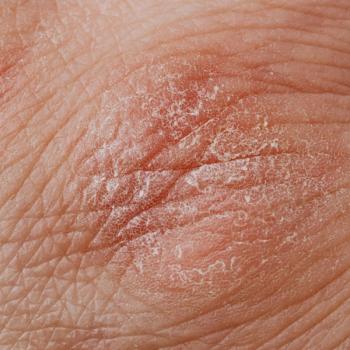
A small percentage of participants with psoriasis reported adequate adherence, with nearly half showing low adherence to phototherapy treatment.

These 28-week data on twice-daily ESK-001 highlight the drug’s safety and efficacy among patients with psoriasis.

These data were presented at EADV 2024 by UCB, with presenters highlighting positive long-term efficacy findings for bimekizumab among patients with plaque psoriasis.

These data suggest that the use of narrowband UVB phototherapy at home among patients with guttate or plaque psoriasis may function as a slightly less costly alternative to in-office use.
Advertisement
Advertisement
Trending on HCPLive
1
The Case for Routine Kidney Screening, With Pranav Garimella, MBBS, MPH
2
FDA Approves Obinutuzumab (Gazyva) for Idiopathic Nephrotic Syndrome
3
Zilurgisertib Receives FDA Approval for FOP in Patients 12 and Older
4
What The FDA Psychedelic Hearing Means for Psychiatrists
5