



Pulmonary Fibrosis
Latest News
Advertisement
Latest Videos






CME Content






















































Advertisement
More News
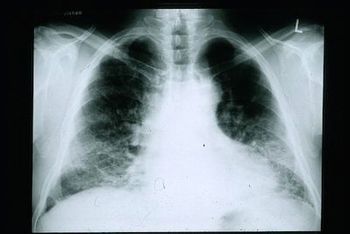
Endeavor BioMedicines' Taladegib gains orphan drug status for idiopathic pulmonary fibrosis, showing promise in improving lung function and patient outcomes.

Yale researchers developed an AI model that illuminates critical details about—and possible treatments for—idiopathic pulmonary fibrosis. It could do so for many other diseases.
Discover the latest advancements in pulmonology, including innovative treatments for asthma, COPD, and pulmonary sarcoidosis, showcased at ATS 2025.

At ATS 2025, these post-hoc analysis findings on taladegib (ENV-101) highlight the treatment’s efficacy for idiopathic pulmonary fibrosis.

The FIBRONEER-IPF and FIBRONEER-ILD data highlight nerandomilast’s efficacy and safety in idiopathic pulmonary fibrosis and progressive pulmonary fibrosis.
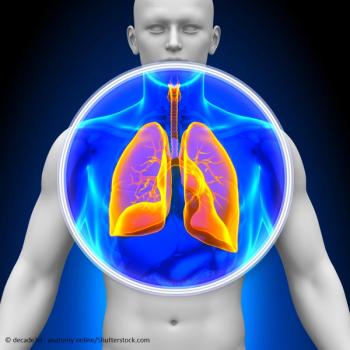
Boehringer plans to soon submit a new drug application for nerandomilast for treating PPF to the FDA.
A trio of stakeholders join Lungcast to discuss the ongoing, long-term assessment into the patterns and drivers of chronic lung disease in a real-world cohort.
The latest episode of Lungcast explores the evolving field of pulmonary imaging technology and the transformative impact of artificial intelligence.

People living with HP generally experience a profound lack of knowledge about their disease, driving poorer health-related quality of life. A study sought to create educational resources to curb this effect.

New data show COPD and IPF, among other interstitial lung diseases, are more significantly associated with poor 30-day outcomes from COVID-19 than asthma.

These data suggest the promise of morphine for cough among those with idiopathic pulmonary fibrosis, though longer term research may be necessary.

A year of research emphasizes the significance of collaboration, standardized approaches, and targeted therapies in rare pulmonary diseases.

If approved, OFEV (nintedanib) would be the first and only approved treatment for children and adolescents aged 6-17 years old with fibrosing interstitial lung disease.

"High-risk patients are more likely to experience comorbid conditions and are more likely to use COPD medications and oxygen, reflecting a higher disease burden," Dr. Ann Cameron explains.

Patients treated with NAL ER demonstrated a 75.1% decrease in daytime cough frequency and a 76.1% decrease in 24-hour cough frequency compared with placebo.
The phase 3 clinical trials evaluating ziritaxestat for treating idiopathic pulmonary fibrosis showed no improvement in clinical outcomes leading to the termination of the trials due to lack of efficacy.

As the US tries to move on from the pandemic, patients with long COVID-19 are fighting to regain normalcy while clinicians improve care plans and researchers search for answers.

According to the systmatic review, motavizumab, nirsevimab, and palivizumab, are associated with significant reductions in RSV-related infections and hospitalizations without a significant increase in adverse events.
Advertisement
Advertisement
Trending on HCPLive
1
From Injectable to Oral: Optimal Durable Clearance Across the IL-23 Class
2
Upadacitinib Tops Nemolizumab on Skin, Itch Targets in Indirect Analysis
3
Advances in Treating High-Impact Psoriasis from EADV 2026
4
No Signal for Birth Defects in Dupilumab Pregnancy Registry, With Tina Chambers, PhD, MPH
5