






























































Trial of mindfulness training as an intervention for irritable bowel syndrome (IBS) demonstrates substantial therapeutic impact on bowel symptom severity.
Trial of mindfulness training as an intervention for irritable bowel syndrome (IBS) demonstrates substantial therapeutic impact on bowel symptom severity.

Lactobacillus acidophilus mobilizes messenger immune cells, enhancing production of functional immune cells, calming the auto-immune attack on the intestine.
Researchers have uncovered an antibiotic therapy that provides continuing relief for IBS for up to 10 weeks, according to a study in NEJM.
Issues of health literacy and numeracy come into play when identifying the best strategies for explaining the risk associated with treatments for IBD.

Nearly one in five patients suffering from Crohn's disease were found to have mental health status indicative of PTSD.

Updated AAD position statement addresses studies showing possible link between isotretinoin use and depression and/or inflammatory bowel disease.

Researchers in Turkey have found that the anesthetic levobupivacaine reduces inflammation at sites in the colon that is caused by IBD.
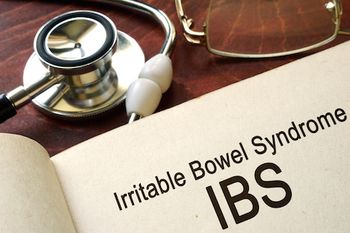
Mayo Clinic researchers have found that St. John's wort is not effective at treating irritable bowel syndrome.
Latent cytomegalovirus (CMV) infection can alter mucosal immunity, thus potentially increasing the tendency of CMV-infected hosts to develop colitis.
The risk of developing ulcerative colitis and Crohn's disease is associated with iron levels in drinking water, according to a study in Norway.