




Venous Thromboembolism
Latest News
Advertisement
Latest Videos









Shorts
1:14
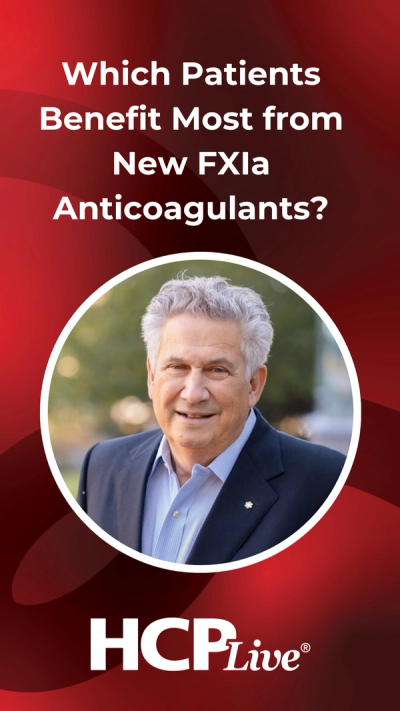
Which Patients Benefit Most from New FXIa Anticoagulants?
a month ago
by
Jeffrey Weitz, MD
CME Content




































































Advertisement
More News
Our Q1 2025 recap for cardiology spotlights 6 regulatory updates, 5 key trial announcements, and top expert perspectives in cardiac care.
A propensity score-matched study from ASH 2024 suggests GLP-1 RA use reduced VTE risk in type 2 diabetes.
The August 2024 cardiology month in review highlights critical data from the European Society of Cardiology Congress 24 and the latest updates on finerenone.

Thrombotic risk is more likely influenced by disease status than hormonal contraception exposure in women with SCD.

A recent analysis found risk factors linked to an embolism after VTE included Black race, interstitial fibrosis, advanced-stage disease, and increased operative duration.

Presented at ASH 2023, findings of a new study showed patients with sickle cell disease and venous thromboembolism have longitudinal worsening of left ventricular diastolic and right-sided cardiac function.

Anthos Therapeutics halts their phase 2 AZALEA-TIMI 71 trial due to significant reduction in bleeding events with abelacimab, making it a potential breakthrough in anticoagulation therapy for atrial fibrillation.

A reduction in aspirin use was associated with significantly less bleeding and health care use, without an increase in thrombotic outcomes.

A recent study indicated no evident VTE risk in patients with eczema, despite FDA black box warnings for the drug class.

New findings suggest low-dose rivaroxaban plus aspirin was associated with lower VTE risk compared with aspirin alone.

The prevalence rate of VTE was 2% among a large population of SCD patients in Nigeria.

Data show the presence of five and six risk factors increased the risk of VTE exponentially to 10.9% and 25%, respectively

In a population aged 70 years and older, a remote history of VT was associated with an increased risk of VT independent of other factors.

Apixaban prescription beyond 90 days showed no difference in hospitalization risk for major bleeding.

Investigators noted that clinically relevant risks could not be excluded with certainty despite not seeing a statistically significant increase in corresponding risks for more rare and severe thrombotic outcomes.

A recent study showed anticoagulant therapy for 6 weeks compared to 3 months met noninferiority criteria, based on a combination of recurrent VTE risk and bleeding risk.

Recurrent VTE shows a higher rate than expected for patients with subsegmental pulmonary embolism without proximal deep vein thrombosis managed without anticoagulation.

Patients with history of VTE, peak D-dimer ≥3 μg/mL, and predischarge CRP ≥10 mg/dL were at high risk of experiencing new onset of VTE after hospital discharge.

Incidence rates of post-Ad26.COV2.S vaccination cerebral venous sinus thrombosis was 8.65 per 100,000 person-years.

Analysis data show 3 times more risk of intensive care unit care in patients with venous thromboembolism compared to non-VTE patients (RR: 2.78).

Data show postoperative initiation of factor XI inhibition was effective method for reducing the risk of VTE following total knee arthroplasty.

The FDA Cardiovascular and Renal Drugs Advisory Committee cited concerns over an increase in thrombotic events.

Dabigatran etexilate was approved in both oral pellet and capsule forms for varying pediatric patient populations.

The anticoagulant did not improve clinical outcomes when compared with prophylactic anticoagulation.

Patients on atorvastatin experienced similar rates of adjudicated venous thromboembolism and all-cause mortality compared to placebo.
Advertisement
Advertisement
Trending on HCPLive
1
Tirzepatide Demonstrates Cardioprotective Effects in T2D With ASCVD
2
Phase 3 Dermatomyositis Trial Sees Brepocitinib Meet Primary Endpoint
3
Q&A: Fear, Not Appetite Loss, Drives ARFID Eating Patterns in Food Allergy
4
Omalizumab-Facilitated OIT Enables Maintenance Dosing in Food Allergy
5