
Phase 2b REZOLVE-AD trial data show rezpegaldesleukin improves skin symptoms and asthma control in adults with moderate-to-severe atopic dermatitis.
Phase 2b REZOLVE-AD trial data show rezpegaldesleukin improves skin symptoms and asthma control in adults with moderate-to-severe atopic dermatitis.
This HCPLive Five features advancements in asthma, immunology, and allergy that were presented at the ACAAI 2025 meeting in Orlando.

A survey found many obstetric physicians rarely refer pregnant patients for allergy or immunology care, citing knowledge gaps and long wait times.

Two large cohort studies found greater infection and implant-related risks in patients with atopic skin conditions after major surgeries.

New findings reveal the Viaskin Peanut Patch effectively builds peanut tolerance in over 70% of toddlers, offering hope for allergy management.

Study finds eczema onset at 4–6 months, greater severity, and longer duration linked to lower odds of outgrowing food allergies in children.

Late-breaking REZOLVE-AD data show rezpegaldesleukin 24 μg/kg improves skin and asthma, supporting its potential in moderate-to-severe atopic dermatitis.

At ACAAI 2025, Manning highlighted sustained attack reduction and strong patient preference for donidalorsen across long-term and switch data.

A study presented at ACAAI 2025 reveals HAE attacks may start in toddlers, highlighting significant daily burdens and the importance of timely diagnosis and treatment.
New phase 2 data reveals povorcitinib effectively reduces itch and hives in chronic spontaneous urticaria, showing promise as a treatment option.

At ACAAI 2025, Trubiano discusses repurposed immunomodulators, T-cell–targeted approaches, and genetic screening for delayed hypersensitivity management.

Children with HAE often face delayed or inconsistent emergency care, with clinicians citing limited condition-specific knowledge as a key contributor.

New qualitative findings reveal the underrecognized psychosocial burdens facing children with HAE and the unmet needs shaping their care.
A phase 3b study in patients with skin of color found lebrikizumab provides reliable efficacy and safety for treating moderate-to-severe AD.
New ACAAI 2025 data show lebrikizumab improves disease control, quality of life, and work productivity in patients of skin of color with moderate to severe atopic dermatitis.
Here, we spotlighted 4 late-breaker studies featured in our ACAAI 2025 coverage, along with 2 phase 3 trials.
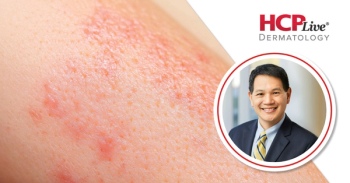
In this Q&A, Soong discusses phase 2 results on povorcitinib, a JAK1 inhibitor that provides rapid relief from chronic spontaneous urticaria symptoms.

At ACAAI 2025, Howell discussed sub-analytical data showing early itch and skin improvements with tapinarof cream in children with AD aged 2–17 years.

At ACAAI 2025, Adatia discussed interim KONFIDENT-KID trial findings showing oral sebetralstat safely reduced symptom burden in pediatric HAE.

At ACAAI 2025, Harris spoke with HCPLive about Excellergy’s ECRI program, exploring IgE modulation, safety goals, and potential long-term effects in CSU.
At ACAAI 2025, Harris discussed research on novel mechanism known as allergic effector cell response inhibitors.

In a phase 3 NATRON trial presented at ACAAI 2025, Ogbogu discussed how benralizumab reduced flare in patients with hypereosinophilic syndrome.

At ACAAI 2025, Golden discussed how mild local reactions and expected systemic effects support the sublingual film’s strong safety profile in children.
Children achieved therapeutic epinephrine levels within 2 minutes on AQST-109 (Anaphylm), showing an early cardiovascular response similar to adults.

At ACAAI 2025, Gross outlined new food allergy ICD-10 codes, clarified documentation rules, and shared tips to help allergists prevent claim denials.

HCPLive spoke with Al Ali at ACAAI 2025 about a study comparing the safety of protocols for milk and peanut allergens.

Phase 3 LIBERTY AIMS data reveal significant reductions in nasal polyps, surgery, and steroid use in patients with AFRS, a challenging CRSwNP subtype.

At ACAAI 2025, Shaker dispels epinephrine myths, emphasizing that it is safe, effective, and underused in anaphylaxis care.
At ACAAI 2025, Shaker highlighted evolving therapies and real-world barriers that continue to limit optimal anaphylaxis management.

At ACAAI 2025, Durban breaks down natural allergy treatments and separates myths from evidence.