

Ahead of ACAAI 2025, HCPLive spoke with Chovatiya on challenges in translating these promising immunologic targets into real-world clinical practice.
Ahead of ACAAI 2025, HCPLive spoke with Chovatiya on challenges in translating these promising immunologic targets into real-world clinical practice.
At ACAAI 2025, HCPLive spoke with Chovatiya on the OX40/OX40L pathway and what makes it an attractive therapeutic target over other established pathways.

A preview of 5 slated expert interviews and 5 late-breaking clinical trials to watch out for at ACAAI 2025.

New PRO data from the INTEGUMENT-1 and –2 studies were presented at the ACAAI 2024 Meeting.

New pooled phase 3 data presented at ACAAI 2022 supports the FDA's approval of dupilumab for eosinophilic esophagitis.

Year-long treatment with the biologic resulted in significant improvements in patient perception of well-being and treatment effect.

Data from the LIBERTY AD ADOL trial showed that adolescent patients with moderate-to-severe atopic dermatitis treated with the biologic reported decreases in total and allergen-specific IgE levels for cat dander, peanuts, and more.

Over half of all patients in the study had achieved an EASI-75 within a year, and investigators noted that patient and family satisfaction with the MADP program was high.

For what other indications, and in what regimens, are investigators assessing the drug class?

Certain diet-based comorbid conditions are more prevalent in food-allergic patients.
At least 1 major food allergy trial in recent years has given allergists incentive to set detailed strategies for their patients.

Could the drug class best serve patients as an adjunctive, a monotherapy, or maybe a prophylaxis for symptoms?

Though research behind preventive measures is lacking, there are common steps that could be taken to reduce pediatric risk.
As new methods of treatment come to the market, allergists need to ensure their patients are fully informed and able to set their own goals for care.
How can physicians train parents to trust immunotherapy—an allergen exposure they were previously told to avoid?

A growing patient population and burdens of physician shortage require specialists and primary care collaborate more and more.

Assessing a food allergy patient's overall diet during immunotherapy trials could unlock understanding how the microbiome affects the allergic reaction.

Distinguishing biologic-eligible patients may still need further biomarker and disease severity research.

The rate of ED cases have decreased over years, yet proper patient follow-up is still lacking.

Clinicians now have 5 agents to select from—but a limited variation of action, and an even more concise patient population eligible for treatment.

What does a modern food allergy care team look like, and what are the individual roles?

How the annual college meeting has come to address the rapidly developing field of immunotherapy.
With new immunotherapy data and emerging biologic uses, allergists need to adjust their standards for diagnosis and care in pediatric patients.

Asthma is the most common chronic disease of childhood. Cellphones might help improve its management.
Many trials for monoclonal antibody therapies for asthma reported small percentages of African American or Hispanic participants, and some didn’t report racial/ethnic demographics at all.

The biologic AR101 was previously shown to significantly desensitize peanut allergies in a pediatric and adolescent patient population.
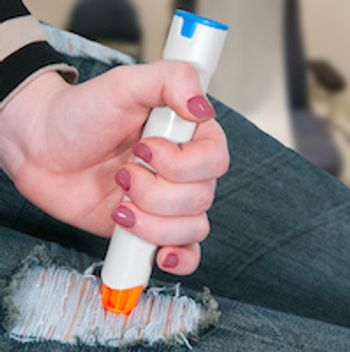
Results may ease concerns for many physicians and patients who live in colder climates.

A 48-year-old man presents with severe atopic dermatitis that he’s had since childhood. Can allergy shots succeed where standard treatments failed?

The AR101 oral therapy—a biologic designed to desensitize peanut allergies, manufactured by Aimmune Therapeutics—is anticipated to be submitted for FDA approval in the next month.

Demystifying the oral food challenge starts with understanding its risks and benefits.