

Tomashefski discusses where AATD diagnoses go missed and why APPs are positioned to close the gap.
Tomashefski discusses where AATD diagnoses go missed and why APPs are positioned to close the gap.
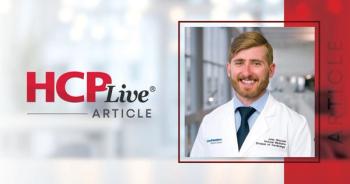
John Giacona, PhD, PA-C, discusses building a comprehensive multidisciplinary care team for interstitial lung disease and how APPs should engage with clinical evidence.
John Giacona, PhD, PA-C, discusses the cardiology perspective on screening for and managing pulmonary hypertension in interstitial lung disease.
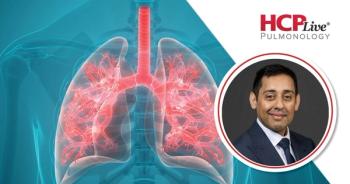
Mohammed Chowdhury, MD, a Temple University cardiologist, says the field is 2 to 5 years from routine clinical integration — but validation and insurance coverage remain the critical hurdles.
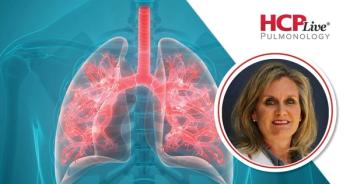
Beyond hemodynamics and treatment targets, McDevitt says the most important conversations APPs have with patients are often the ones that don't appear in guidelines.
Beyond hemodynamics and treatment targets, McDevitt says the most important conversations APPs have with patients are often the ones that don't appear in guidelines.
From tighter hemodynamic definitions to a first-in-class activin signaling inhibitor, a nearly 30-year PH veteran says the field has never had more to offer patients — or more complexity to manage.
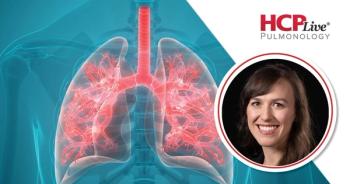
From personalized sepsis resuscitation to the long-awaited ketamine versus etomidate verdict, a critical care NP highlights the evidence that defined the field last year.
A critical care NP and POCUS educator says point-of-care ultrasound competency is no longer optional for pulmonary and critical care APPs.
Heather O'Connell, PA-C, an allergy and asthma PA, describes how she uses clinical research and structured follow-up to shift patient thinking about the nose-lung connection, and why APPs bring a distinct advantage to that conversation.
O'Connell, an allergy and asthma PA, says the united airway concept has direct implications for how providers from different specialties recognize, refer, and communicate with one another about the same patient.
Jessica Glennie, MSN, APRN, says the first formal ATS clinical guidelines on interstitial lung abnormalities are filling a real gap — but integration into practice is still catching up.
With nerandomilast offering a more tolerable alternative to nintedanib and pirfenidone, Jessica Glennie, MSN, APRN, says the threshold for initiating antifibrotic therapy in early or stable disease is moving up.
John Giacona, PhD, PA-C, says identifying pulmonary hypertension early, distinguishing its type, and engaging critically with clinical evidence are paramount.
Heather O'Connell, PA-C, makes the case that missing rhinitis, nasal polyps, or NSAID sensitivity is costing patients exacerbations and hospitalizations.
The CNP at Cleveland Clinic discusses how early recognition, cross-specialty collaboration, and extended patient engagement make APPs essential in the complex, long-term care of interstitial lung disease.
Sarah Tomashefski, MSN, says persistent myths about who gets AATD and a failure to screen patients with any obstructive lung disease are driving a diagnostic gap APPs are uniquely positioned to close.

Explore APAPP’s Las Vegas meeting with hands-on POCUS and airway labs, COPD and ILD bootcamps, AI updates, and new therapy insights.