
This interview with Dr. Feldman involved a discussion on new findings regarding atopic dermatitis patient preferences and racial disparities in dermatologic care.
This interview with Dr. Feldman involved a discussion on new findings regarding atopic dermatitis patient preferences and racial disparities in dermatologic care.
In this interview with Dr. Steven Feldman, the latest findings on tralokinumab-ldrm as an atopic dermatitis treatment were discussed.
Guselkumab effectively cleared the skin of patients with moderate-to-severe plaque psoriasis across all skin tones, with significant improvements observed within the first 16 weeks of treatment.
Patients with moderate to severe scalp psoriasis treated with tildrakizumab exhibited sustained efficacy through week 52, demonstrating the long-term effectiveness and safety profile of this treatment.

In this Fall Clinical Dermatology Conference interview, Dr. Burgess answered several questions related to aesthetic treatments for patients with skin of color, including specific recommendations.

Patients in the deucravacitinib group had higher response rates compared with placebo at week 16, regardless of the extent of baseline PASI score or BSA involvement.

Patients with scalp and body psoriasis who used nonsteroidal roflumilast foam .3% once daily experienced significant symptom improvement as early as 2 weeks.

In his ‘Early Dermatology Practice Pearls’ presentation, Dr. Song described tips for dermatologists. In this interview segment, he continues this discussion.
Dr. Song spoke in this segment of his interview on several more insightful elements from his presentation titled ‘Early Dermatology Practice Pearls.’
In this interview segment, Dr. Song provided several unique viewpoints presented in his conference talk ‘Early Dermatology Practice Pearls.’
Patients with plaque psoriasis, including in intertriginous areas and genitalia, experienced rapid improvement when treated with tapinarof cream 1%, offering an effective and well-tolerated nonsteroidal option for this condition.
Dr. Eichenfield used this interview segment to respond to the FDA’s recent decision not to approve dupilumab for chronic spontaneous urticaria.
Dr. Eichenfield spoke in this interview segment on the tips shared in his presentation at the Fall Clinical Dermatology conference in Las Vegas.
Tildrakizumab significantly improved work productivity and reduced work activity impairment in patients with moderate to severe plaque psoriasis, highlighting this treatment's quality of life benefits.
Secukinumab treatment resulted in greater improvements compared with placebo at week 12, with responses increasing through week 52.

Results from the POETYK PSO-1 trial showed significantly greater improvements in patients receiving deucravacitinib compared with placebo or apremilast.
In this interview, Dr. Eichenfield shared his views on this week’s approval by the FDA of IDP-126 for patients 12 and older with acne.
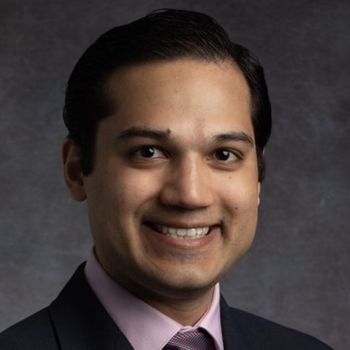
This interview segment explored the major takeaways from Dr. Chovatiya’s presentation on Type 2 Inflammation in eczema, prurigo nodularis, and chronic spontaneous urticaria.
In this interview segment, Dr. Chovatiya discussed the challenges of diagnosing Type 2 inflammation in several different dermatologic diseases.
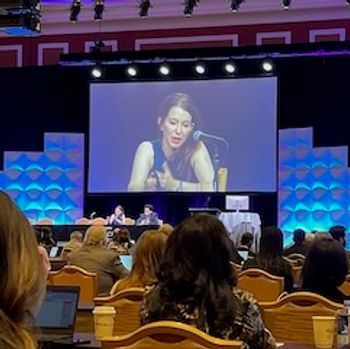
In this talk presented at the Fall Clinical Dermatology conference, Dr. James Del Rosso and Dr. Alexandra Golant debate the benefits of JAK inhibitors and monoclonal antibodies.

Linda Stein Gold, MD, explains how the safety considerations of nonsteroidal topicals must be weighed against their significant value in the treatment arsenal.
Linda Stein Gold, MD, discusses the notable transition in topical therapies for both psoriasis and atopic dermatitis, with the introduction of effective FDA-approved nonsteroidal treatments.
In this interview, Dr. Chovatiya touched on several important updates and recent developments in the JAK inhibitor space for dermatologists.
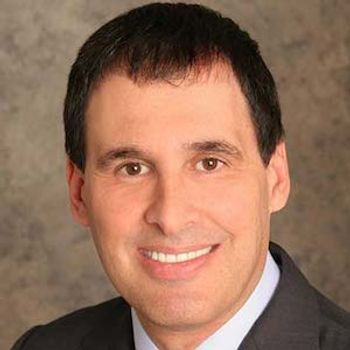
In this interview segment, Dr. Nestor speaks on some of his biggest takeaways from his talk ‘What’s Coming Up Next?’ given at the Fall Clinical Dermatology conference.
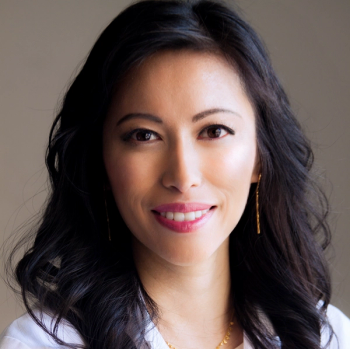
April Armstrong, MD, MPH, explains how early detection of psoriatic arthritis and psoriasis is critical to prevent irreversible joint damage and improve patient outcomes.
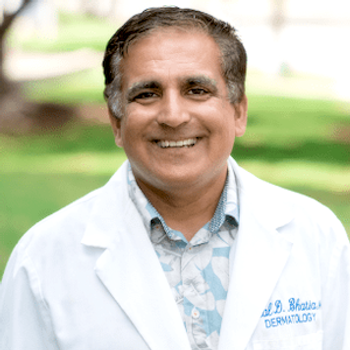
This interview featured a discussion with Dr. Bhatia on the future of actinic keratosis diagnosis and treatment, as well as advances and important facts for clinicians to remember about risk.

Mona Shahriari, MD, and Andrew F Alexis, MD, MPH, discussed the multifaceted considerations dermatologists should weigh when treating patients with skin of color diagnosed with plaque psoriasis.

These findings, presented at the Fall Clinical Dermatology conference, resulted from the ADjoin long-term extension study.
This interview at the Fall Clinical Dermatology conference featured a discussion with Dr. Bhatia regarding key insights from his talk ‘What You Need To Know NOW About Actinic Keratosis.’

Susan C. Taylor, MD, emphasizes the importance of understanding the unique biological differences and needs of individuals with skin of color.