
Breakthroughs in narcolepsy, idiopathic hypersomnia, OSA, and RLS signal a shift toward personalized care and novel therapies. Check out this June 2025 sleep month in review.
Breakthroughs in narcolepsy, idiopathic hypersomnia, OSA, and RLS signal a shift toward personalized care and novel therapies. Check out this June 2025 sleep month in review.

Check out the top 5 interviews from SLEEP 2025.

Sleep Number studies presented at SLEEP 2025 show that heating and cooling patterns improve sleep quality, especially for women experiencing menopause.
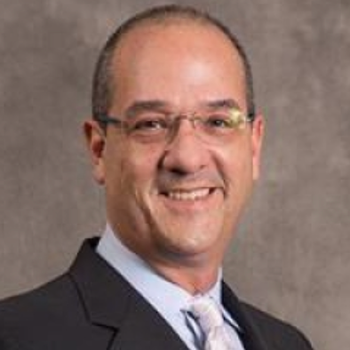
At SLEEP 2025, Levine discussed how skin biopsy testing for phosphorylated alpha-synuclein may enable early diagnosis and prevention trials for neurodegenerative diseases.
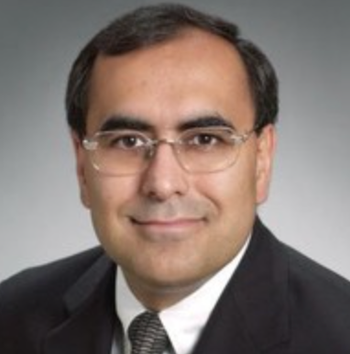
At SLEEP 2025, Sachdeva outlined evolving liability concerns, transparency issues, and steps clinicians can take to safely integrate AI in practice.
At SLEEP 2025, Levine highlighted how the Syn-One skin test detects early signs of Parkinson Disease in patients with iRBD with the observation of phosphorylated alpha-synuclein.

In this Q&A, Narcisse shared what the association between greater oral microbiome diversity and longer sleep in teens and young adults could mean for early-life disease prevention.
At SLEEP 2025, Sachdeva discussed the evolving legal implications of AI use in sleep medicine, including clinician liability, informed consent, and responsible integration into care.
At SLEEP 2025, HCPLive spoke with Narcisse about NHANES-based findings suggesting longer sleep duration is associated with richer and more diverse oral microbiomes.

At SLEEP 2025, Malhotra emphasized the need for weight loss to resolve obesity hypoventilation syndrome and highlighted limitations of current therapies.
At SLEEP 2025, Malhotra shared updates on diagnosing and managing OHS, including the role of bicarbonate, PAP use, and weight loss.

A study presented at SLEEP 2025 found longer and more variable napping patterns are associated with increased all-cause mortality in middle-to-older aged adults.
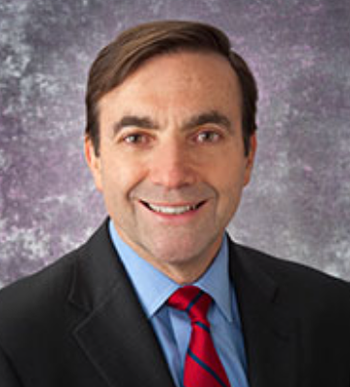
At SLEEP 2025, HCPLive spoke to Strollo about the phase 3 SynAIRgy trial which evaluated AD109, a first-in-class, once-daily oral neuromuscular modulator, for OSA.
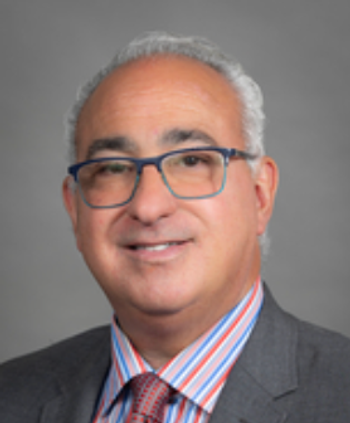
At SLEEP 2025, Cassiere discussed how pulse oximetry inaccuracies among patients with darker skin tones may lead to underdiagnosis or misclassification of sleep apnea severity.

At SLEEP 2025, Lillis discussed how wearable data revealed disruptions in sleep consolidation up to 13 weeks postpartum despite total sleep duration nearing pre-pregnancy levels.
By week 2 postpartum, sleep duration rebounds, but fragmented sleep persists through week 13, Teresa Lillis, PhD, presented at SLEEP 2025.

At SLEEP 2025, Walia discussed findings showing Hispanic individuals may experience more severe cases of sleep disordered breathing compared to the non-Hispanic group.
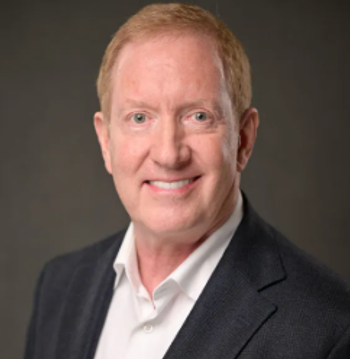
At SLEEP 2025, Bruce Corser, MD, discussed promising open-label data on pitolisant’s impact on idiopathic hypersomnia symptoms with HCPLive.

At SLEEP 2025, Winkelman discussed the AASM’s updated guidelines urging clinicians to transition patients with RLS off dopamine agonists due to augmentation risks.

At SLEEP 2025, Kancherla highlights diagnostic dilemmas, treatment gaps, and the need for pediatric criteria when managing obstructive sleep apnea in teens.
At SLEEP 2025, Kancherla emphasized the importance of using pediatric criteria to manage OSA in adolescents, warning that adult standards may overlook key developmental factors.

At SLEEP 2025, Axsome Therapeutics presented phase 3 ENCORE and SYMPHONY data showing AXS-12 reduced cataplexy attacks and improved daytime functioning in narcolepsy.

At SLEEP 2025, Fung discussed how combining a masked taper, CBT-I, and a nightly dose-tracking diary helped older adults achieve long-term benzodiazepine discontinuation.
At SLEEP 2025, Fung shared that masked taper plus CBT-I led to higher benzodiazepine discontinuation and improved sleep in older adults.

At SLEEP 2025, Danny Eckert, PhD, discussed new drug therapies for OSA, including tirzepatide, AD109, potassium channel blockers, and acetazolamide.

HCPLive spoke with Bowles at SLEEP 2025 on the staggered schedule, referred to as 1/3/2/3, and how it impacts firefighters' sleep.

At SLEEP 2025, Colvonen discussed RCT findings that showed VeNS significantly improved PTSD and insomnia symptoms, offering a scalable solution for patients awaiting 1-on-1 care.
A recent study reveals how personality traits like neuroticism and extraversion influence bedtime procrastination in young adults, impacting sleep health.

Disrupted circadian rest-activity rhythms were tied to faster biological aging in older adults, independent of age, sex, or race, new study shows.