

More and more individuals are becoming diagnosed with atrial fibrillation. But the research to halt this crisis is not quite there yet.
More and more individuals are becoming diagnosed with atrial fibrillation. But the research to halt this crisis is not quite there yet.

An expert discussion on climate change and air pollution effects on communities, including increased COVID-19 rates.
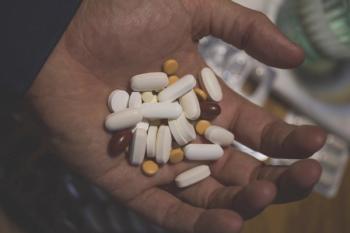
Vonoprazan has shown more potent acid inhibitory effects than PPI.
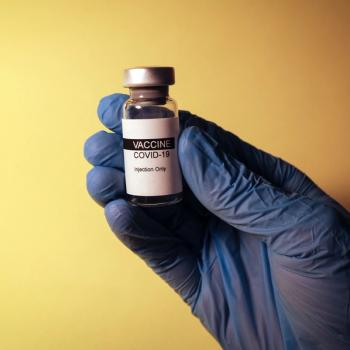
Early data suggests vaccines are effective against B.1.617.2 variant first discovered in India.

A survey at ACC 2021 showed 38% of cardiology professionals were burnt out during COVID-19. What factors in the field have already made it difficult to cope?

The high-risk patient population is under-represented in new research and agents. Why characteristics set it apart from other cardiovascular diseases?

Pegcetacoplan outperformed competitor in a phase 3 head-to-head study.

The anticoagulant did not improve clinical outcomes when compared with prophylactic anticoagulation.

Marc Bonaca, MD, explains the value of new assessments made in the pivotal peripheral artery disease clinical trial.

A cardiologist and wellness expert discusses new findings showing more than one-third of her peers were burnt out from experiences during the pandemic.
The Duke investigators return to discuss the pivotal study of rivaroxaban in peripheral artery disease.

There is no clear threshold for consumption leading to an AFib event.

Patients with a preserved ejection fraction saw a significant reduction in risk for cardiovascular-related adverse events and mortality.

Incidence rates decreased by nearly half after direct-acting antiviral treatment regimen.

A new analysis of the SCORED and SOLOIST trials suggests sotagliflozin could provide substantial benefit for reducing risk of cardiovascular death and worsening heart failure among patients with HFrEF and HFpEF.

New phase 2 data show the potential of the biologic in patients at risk of acute pancreatitis progression, but with a need for better variable understanding.

Investigators discuss recently-published secondary sex-based assessments into PCI treatment, as well as their contribution to cardiovascular research action points that lessen the field's disparities.

Patients on atorvastatin experienced similar rates of adjudicated venous thromboembolism and all-cause mortality compared to placebo.

The 1-year follow-up of the REALITY trial presented at ACC undermines previously reported 30-day findings showing noninferiority to liberal transfusions.

DARE-19 data show a slight improvement in outcomes among hospitalized COVID-19 patients receiving the SGLT-2 inhibitor—showing the cardiovascular drug class is safe in patients with the pandemic virus.
The SGLT-2 inhibitor drug class is expanding into treatment indications experts could not have predicted. Learn how DAPA-HF contributed to the understanding of dapagliflozin.

A post-hoc analysis sought to elucidate the contradictory results between the STRENGTH and REDUCE-IT trials.

Older patients who maintained the multi-domain rehabilitation program saw improvements in various markers of physical function.

Investigators discuss observed outcomes in females with high-risk PCI treatment, and their continued underrepresentation in pharmacologic studies.

A smaller proportion of patients who used etripamil required an emergency department intervention 5 hours post-administration—compared to placebo users.

Improvements in patient symptoms, function, and quality of life were not sustained once treatment was discontinued.
Though the combination heart failure therapy did provide overall benefit versus ramipril in post-heart attack patients, the rate of events reduced was not considered significant.
The first episode of the Heart Trials podcast series focuses on new ACC 2021 research into aspirin dosages for reduced cardiovascular event risk.

Data suggests that the non-vitamin K antagonist blood thinner may be used as default treatment among post-operative patients in need of oral anticoagulation.

Data show sublingual sufentanil tablets did not affect pain scores, but did benefit patient satisfaction outcomes.