

Jordan E. Axelrad, MD, MPH, on selecting first-line IBD therapy, treat-to-target monitoring, and how living with Crohn's shapes patient care.
Jordan E. Axelrad, MD, MPH, on selecting first-line IBD therapy, treat-to-target monitoring, and how living with Crohn's shapes patient care.
A gastroenterologist explains why IBD symptoms don't always signal a flare, the biomarkers used to confirm inflammation, and counseling patients through Crohn's disease.
Jordan Axelrad, MD, MPH, discusses first-line IBD therapy selection, sequencing after failure, treat-to-target monitoring, and evaluating new agents

NYU Langone’s Conor Donnelly, Allan Massie, and Michal Mankowski explain why follow-up after kidney transplant referral is critical to improving access.
Massie, Donnelly, and Mankowski discuss how transplant center choice shapes kidney transplant evaluation and access.
Nearly half of kidney transplant candidates never start evaluation with access barriers varying by patient background.

In a 31-center phase 2 trial in 10 countries, apecotrep BI 764198 reduced proteinuria in patients with primary focal segmental glomerulosclerosis.

New research in patients with end-stage kidney disease suggests an association between neighborhood advantage and access to transplants and waitlists.

In 2025, FDA approvals, pivotal trials, and emerging therapies shifted nephrology care toward precision and mechanism-driven kidney medicine.
Historic progress in renal xenotransplantation in 2025 brings pig kidney transplants closer to clinical reality amid an ongoing donor organ shortage.

Bariatric surgery, particularly sleeve gastrectomy, may improve survival and kidney transplant access in older adults with obesity and ESKD.

Data presented at NASPGHAN 2025 revealed odevixibat demonstrated sustained improvements in sleep and caregiver-reported QOL in patients with Alagille syndrome through 96 weeks.

Among patients with primary hyperoxaluria and CKD, those with delayed CKD diagnosis were more likely to encounter greater healthcare burdens.
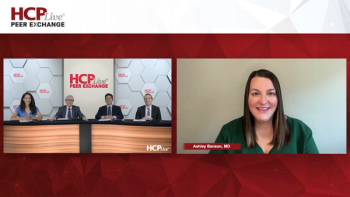
The expert panel concludes its discussion with insights on how collaboration and communication across various healthcare specialties improve the care of patients treated for iron deficiency anemia.
The panel discusses the mechanism of treatment-emergent hypophosphatemia that occurs following the administration of certain intravenous iron formulations.
Experts on iron deficiency anemia discuss practical tools they utilize for the clinical administration of intravenous iron.
Steven Fein, MD, MPH, shares insights on the management of infusion reactions seen in patients receiving intravenous iron.
Layla Van Doren, MD, discusses the management of complement activation-related pseudo-allergy (CARPA) in patients receiving intravenous iron infusions.
A panel of experts on iron deficiency anemia discuss the safety of intravenous iron infusions, highlighting data from clinical studies.
Experts on iron deficiency anemia share clinical practices for patients receiving intravenous iron.
Michael Auerbach, MD, provides an overview of the utility of generic formulations of iron in addressing iron deficiency anemia.
A panel of experts on iron deficiency anemia discusses formulations available for iron infusions, highlighting factors that inform selection.
Experts in hematology, gastroenterology, and obstetrics and gynecology detail their experiences with the real-world application of intravenous iron in their clinics.
An obstetrician-gynecologist addresses the unmet clinical needs in the treatment of patients with iron deficiency anemia, particularly for pregnant patients.
The expert panel discusses why intravenous iron replacement used to be associated with unacceptable toxicity and has become much more tolerable over time.
The panel provides a broad overview of the treatment of patients with iron deficiency, highlighting diagnostic practices.
A panel of experts on iron deficiency anemia introduce themselves and provide an overview of the physiology of iron metabolism and iron deficiency.

Dr David Hudesman, Dr Jordan Axelrad, and Dr Jose Scher discuss strategies for managing coexisting inflammatory bowel disease and psoriatic arthritis and highlight the importance of a multidisciplinary approach to providing comprehensive care.

The approval of risankizumab represents the first ever IL-23 approved by the FDA for IBD.

"The best test is the 1 that gets done," Williams said.