
This March episode of The Medical Sisterhood, in honor of Women's History Month, covers building influence in the dermatology field as a woman physician.
This March episode of The Medical Sisterhood, in honor of Women's History Month, covers building influence in the dermatology field as a woman physician.
This February episode of The Medical Sisterhood highlights key points on juggling work as a clinician and work as a mother.
This first episode of 2026 highlights ways to advocate for change in healthcare, empowering each other and patients while navigating systemic challenges.
In these new phase 3b/4 data from LEVEL UP, findings on switching from dupilumab to upadacitinib in patients with atopic dermatitis are explored.
Catch up on some of the most notable headlines in psoriasis news coverage from 2025 with our Year in Review.
In this episode, a panel of dermatologists join to discuss the impact of the Boards University educational initiative for residents and early-career physicians.
In this segment of her Fall Clinical interview, Shahriari highlights a session IL-13 inhibition and management of atopic dermatitis.
This interview at Fall Clinical highlights a session on clinical pearls related to diagnosing prurigo nodularis in patients with skin of color.
Once-daily oral baricitinib was shown to result in meaningful hair regrowth after 1 year in adolescent patients with alopecia areata.
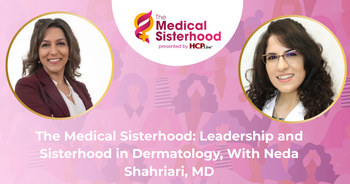
In this episode, sisters and dermatologists Mona and Neda Shahriari discuss mentorship, motherhood, and the meaning of sisterhood in medicine.
New research links sleep-related leg movements to a higher risk of diabetes.
New research reveals GLP-1 receptor agonists may protect the liver from alcohol damage while increasing blood alcohol levels, prompting further human studies.
Yale researchers reveal how essential coenzyme A is imported into mitochondria, shedding light on its role in metabolic diseases and potential treatments.
Researchers unveil Bobcat339, a targeted molecule that selectively eliminates pathogenic macrophages.
A study reveals that APOE e4 carriers with atrial fibrillation on Eliquis face increased intracranial hemorrhage risk, highlighting critical genetic implications.
Yale researchers demonstrate that hands-on culinary medicine training significantly boosts nutrition knowledge and confidence among medical residents, enhancing patient care.
Yale researchers reveal that 17 million U.S. adolescents and young adults qualify for GLP-1RA therapy, highlighting barriers to access and insurance coverage.

In this set of interviews, 6 leaders in the field of dermatology highlight their experiences at the 2025 EADV Congress.
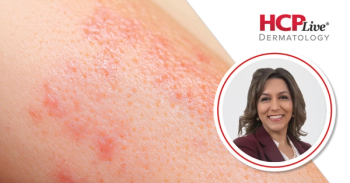
This interview at EADV 2025 features Mona Shahriari, MD, who highlighted recent findings on the drugs icotrokinra and povorcitinib in dermatology.
New data reveals ritlecitinib's long-term efficacy for alopecia areata, showing sustained hair regrowth in 30% of patients after 3 years.
Adolescents with alopecia areata show promising treatment responses, highlighting the need for diverse therapeutic options to improve outcomes.
This interview segment with Bunick at EADV highlights some of the significance of these recent findings on cardiovascular risk and upadacitinib use over 6 years.
In this EADV interview, Bunick touches on his team’s findings related to risk of VTE, MACE, and malignancy in patients with atopic dermatitis treated with upadacitinib for 6 years.
In this analysis, the long-term cardiovascular safety of upadacitinib treatment for atopic dermatitis was highlighted.
This EADV interview featured a discussion with Brittany Craiglow, MD, on the topic of developments in the field of alopecia areata treatment.

Harrington and Desai weigh in with their thoughts on the bumetanide approval and how we can continue to battle edema in heart failure.
This episode highlights the challenges of navigating demanding medical careers while raising young children, with insights and practical strategies.