Genital mycotic infections on SGLT-2 inhibitors are typically managed with topical antifungals, continuing the inhibitor unless infections are severe or recurrent.
Addressing adverse effects of GLP-1 receptor agonists involves discussing therapy benefits, considering dose adjustments, or exploring alternative treatments to maintain efficacy.
Patient concerns should be acknowledged, and a collaborative approach should be taken to balance treatment benefits with quality of life.
SHOW MORE
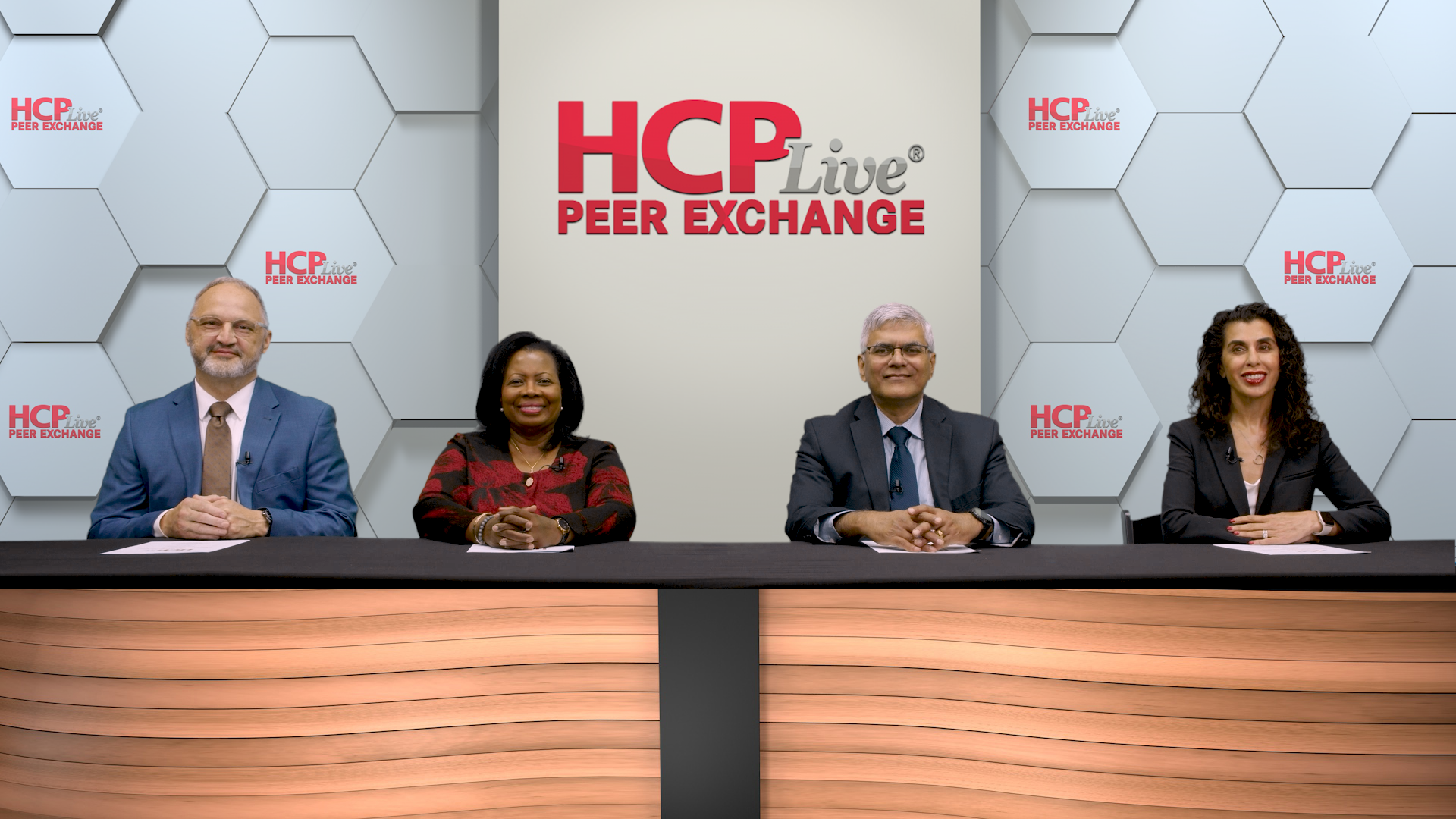
Panelists discuss the treatment of a patient with type 2 diabetes who develops a genital mycotic infection while on an SGLT-2 inhibitor, weighing the options of treating with topical antifungals versus discontinuing the medication, as well as addressing concerns for a patient on a GLP-1 receptor agonist and RAAS inhibitor who is experiencing adverse effects such as bloating and nausea while considering the benefits of continuing therapy.
Advertisement
In a patient with type 2 diabetes who develops a genital mycotic infection while on an SGLT-2 inhibitor, do you treat the infection with topical antifungals and continue the SGLT-2 inhibitor, or should the SGLT-2 inhibitor be discontinued?
A patient on a GLP-1 receptor agonist and RAAS inhibitor is experiencing bloating, nausea, and weight loss and expresses a desire to stop treatment. How should you address their concerns and manage these adverse effects while considering the benefits of continued therapy?