

Opinion|Videos|June 26, 2026
Navigating Treatment Selection in Hypercortisolism
In this episode, ‘Navigating Treatment Selection in Hypercortisolism,’ the expert endocrinologists explore available treatment options for hypercortisolism and discuss how clinicians individualize therapy based on disease etiology, severity, comorbidities, and long-term treatment goals. The panelists explain that while surgery remains the preferred approach when a removable source of cortisol excess is identified, medical therapy plays an important role for patients who are not immediate surgical candidates, require preoperative optimization, or need chronic disease management.
Advertisement
Episodes in this series
In this episode, ‘Navigating Treatment Selection in Hypercortisolism,’ the expert endocrinologists explore available treatment options for hypercortisolism and discuss how clinicians individualize therapy based on disease etiology, severity, comorbidities, and long-term treatment goals. The panelists explain that while surgery remains the preferred approach when a removable source of cortisol excess is identified, medical therapy plays an important role for patients who are not immediate surgical candidates, require preoperative optimization, or need chronic disease management.
The panel of experts reviews several therapeutic approaches, including cortisol synthesis inhibitors, glucocorticoid receptor antagonism, pituitary-directed therapies, and other strategies used in more severe presentations. They discuss how cortisol synthesis inhibitors reduce cortisol production, while glucocorticoid receptor antagonists block cortisol activity at the receptor level. Faculty members also highlight practical differences among available agents, including considerations related to potency, tolerability, adverse effects, and the need for either titrate-to-goal or block-and-replace strategies.
Throughout the conversation, the panel emphasizes that treatment selection should be individualized. They discuss how the severity and cause of hypercortisolism influence the urgency and type of therapy selected, with more severe cases potentially requiring rapid cortisol control. The experts also examine how patient-specific factors, such as uncontrolled diabetes, hypertension, liver disease, pregnancy, and risk of medication-related adverse effects, may guide therapeutic decision-making. The discussion further highlights the importance of considering long-term management because many patients may require ongoing or lifelong therapy. By comparing mechanisms of action and clinical considerations across treatment options, the panel provides a practical framework for selecting therapy in patients with hypercortisolism.
The next episode in this series, ‘Emerging Clinical Evidence and Cardiometabolic Outcomes in Hypercortisolism,’ features the panelists discussing recent clinical trial and real-world evidence evaluating available therapies for hypercortisolism. The expert faculty explore treatment effects on cortisol control, blood pressure, glycemic outcomes, and practical considerations for optimizing long-term disease management.
Advertisement
Related to this article

Andrea Murina, MD, weighs whether she would recommend medicine to her own children amid AI, physician burnout, and evolving residency training standards.
Two monoclonal antibodies isolated from malaria-exposed donors blocked patient IgE from binding key alpha-gal allergens and suppressed basophil activation.

Manju Dawkins, MD, discusses Skin Angels, why clinicians belong in dermatology innovation, and her work to reduce injection pain and needle anxiety.

As the USPSTF considers evidence for updated CKD screening guidance, Garimella discusses gaps in kidney disease detection and what the review should capture.
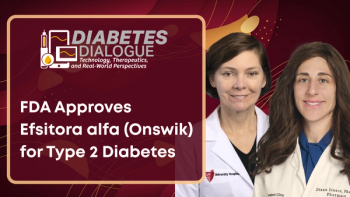
Discover how newly cleared weekly basal insulin efsitora reshapes type 2 diabetes care—QWINT results, hypoglycemia edge, and dosing tips.

FDA clears Eli Lilly’s Onswik weekly insulin from QWINT trials, cutting injections for type 2 diabetes while matching daily basal control.

Iliyan D. Iliev, PhD, discusses how fluconazole targets gut Candida to improve disease activity in IBD.

Two 12-week phase 3 trials and a 43-week extension will test 8 mg and 16 mg HLP003 added to antidepressants, with APPROACH enrollment now complete.
Advertisement
Advertisement
Trending on HCPLive
1
Weekly Insulin Efsitora Alfa (Onswik) Gains FDA approval for Type 2 Diabetes
2
Phase 3 PARADIGM: HLP003 (Psilocibin-d10) for Adjunctive MDD Use
3
Diabetes Dialogue: Weekly Insulin Efsitora Alfa Gets FDA Approval for Type 2 Diabetes
4
Nearly 9 in 10 US Adults With CKD Don't Know They Have It, With Pranav Garimella
5