

Opinion|Videos|September 23, 2024
Quality of Life and Diagnostic Considerations for FCS
Panelists discuss how familial chylomicronemia syndrome (FCS) imposes a significant economic burden on patients, affecting their ability to stay employed and manage the costs associated with long-term care and treatment.
Advertisement
Video content above is prompted by the following:
What economic burden does familial chylomicronemia syndrome have on patients?
Advertisement
Related to this article

FDA novel drug approvals in Q3 2026: 22 new therapies, including enlicitide, daraxonrasib, oveporexton, and first treatments for rare diseases.
Facial and total body repigmentation with upadacitinib kept rising through Week 76 in Viti-Up, with higher responses when NB-UVB was added.

DBV has requested priority review for the epicutaneous patch, supported by phase 3 VITESSE data showing a 31.8-point responder rate gain vs placebo.
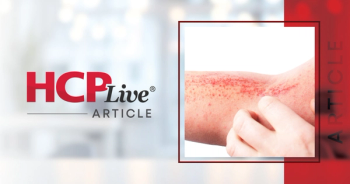
Tilrekimig, a trispecific IL-4/IL-13/TSLP antibody, met its EASI-75 primary endpoint at all doses in a phase 2 atopic dermatitis trial.
The first controlled study of GLP-1 receptor agonists and nail health found nail detachment in 39% of users versus 9% of controls at EADV 2026.
Earlier bimekizumab treatment was tied to higher IHS4-100 rates at 3 years in hidradenitis suppurativa, per post hoc BE HEARD data at EADV 2026.
EloraTZP cut body weight by up to 23.3% and A1C by up to 2.9% at 48 weeks vs 14.8% and 2.4% with tirzepatide 15 mg in a phase 2b trial.
FDA approved mavacamten for oHCM in children weighing 30 kg or more after SCOUT-HCM showed a 48.0-mm Hg Valsalva LVOT gradient reduction vs placebo.
Advertisement
Advertisement
Trending on HCPLive
1
US Alcohol Use Falls, but Not for Adults Aged 50 to 64, With Brian Lee, MD
2
EASD 2026: EloraTZP Bests Tirzepatide on Weight Loss, A1C in Type 2 Diabetes
3
FDA Approves Mavacamten for Pediatric Patients With Obstructive HCM
4
Nail Detachment 4 Times More Common With GLP-1 Use
5