Kausik Ray, MD, MBChB, MPhil, discusses Lp(a)HORIZON, remnant cholesterol targets, enlicitide, and the lipid outcome trials to watch in 2027.
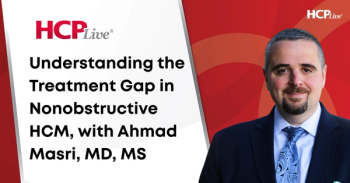
Michelle O’Donoghue, MD, discusses the results of Part A of the TYDAL-TIMI 78 trial, demonstrating MAR001’s comparative efficacy to placebo.
MAR001’s inhibition of ANGPTL4 substantially reduced fasting triglyceride (TG) levels in patients with
These data were presented at the
“We know that, with the growing prevalence of obesity, diabetes, and many other disease states that track along with having higher triglycerides, that the prevalence of hypertriglyceridemia is also growing for a variety of reasons,” O’Donoghue told HCPLive in an exclusive interview. “But it has been a tough nut to crack in terms of finding therapies that are both effective for lowering triglycerides and that lower risk of cardiovascular events.”
TYDAL-TIMI 78 is a 2-part phase 2b, randomized, double-blind, parallel-group, placebo-controlled study comparing MAR001 to placebo. Patients with elevated fasting or non-fasting TGs and RC, as well as a fasting LDL-C ≥50 mg/dL and ≤130 mg/dL, among other criteria, were eligible for enrollment in Part A of the trial. Patients with acute or chronic liver disease, a history of type 1 diabetes mellitus or diabetic ketoacidosis, or TG concentration ≥880 mg/dL, among other criteria, were excluded.2
Enrolled patients were randomly assigned in a 1:1:1:1 ratio to receive either MAR001 300 mg, 450 mg, or 900 mg or matching placebo, administered subcutaneously over 24 weeks. The primary endpoint was percent change from baseline in fasting TG levels at week 12. Secondary endpoints included percent change in fasting RC at week 12, percentage of non-fasting TG at week 16, and the proportion of patients with baseline TG ≥150 mg/dL achieving TG <150 mg/dL at week 12, among others.2
O’Donoghue and colleagues enrolled 236 patients in the trial, with 177 assigned to receive MAR001 and 59 to receive placebo. Of these patients, 235 received ≥1 dose and were included in the primary efficacy analyses. Mean age among all patients was 60.4 years, and the median TG level at baseline was 249.5 mg/dL (interquartile range [IQR], 210 to 313).1
By week 12, the least-squares mean percent changes from baseline in fasting TG were -33.9% in the 300 mg arm, -35.7% in the 450 mg arm, and -40.3% in the 900 mg arm, compared with 5.2% in the placebo arm. The corresponding placebo-adjusted least-squares mean percent changes were -39.1 percentage points (95% CI, -46.8 to -31.5), -40.9 percentage points (95% CI, -48.7 to -33.1), and -45.5 percentage points (95% CI, -53.2 to -37.8), respectively (P <.001 for all comparisons). Adverse events occurred in 123 of 177 (69%) patients in the pooled MAR001 group versus 45 of 58 (78%) patients in the placebo group.1
O’Donoghue and colleagues concluded that inhibition of ANGPTL4 with MAR001 significantly reduced fasting TG levels, with the magnitude of lowering appearing more pronounced among patients with higher baseline levels. Additionally, treatment did not lead to adverse changes in aminotransferase levels or glucose homeostasis markers.1
“So ultimately, some degree of effect modification was observed, and that has helped to set the stage for the phase B that is now launching for that program,” O’Donoghue said. “That is specifically looking at, and will be enrolling, patients who have severe forms of hypertriglyceridemia.”
Editors’ Note: O’Donoghue reports disclosures with Amgen, Eli Lilly, Janssen, Novartis, Novo Nordisk, Verve, and others.