In this Q&A, Armand explains why eczema visits spike during wildfire smoke events and how allergic patients can protect themselves.
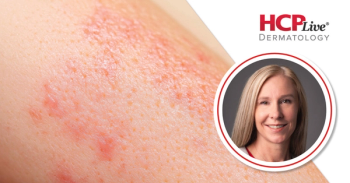
Mona Shahriari, MD, spoke about the evolving understanding of atopic dermatitis as a systemic disease, the complexities of treatment selection, and more.
Mona Shahriari, MD, associate clinical professor of dermatology at Yale School of Medicine and associate director of clinical trials at Central Connecticut Dermatology Research, highlighted several ongoing debates surrounding atopic dermatitis management during an interview at the
Shahriari, who also serves as the host of HCPLive podcast
“I think there's a lot going on in the AD space, but one of the biggest issues we're currently having is defining atopic dermatitis as a systemic disease,” Shahriari explained.
While some clinicians continue to see atopic dermatitis through its cutaneous manifestations, Shahriari noted a growing body of data indicating broader systemic implications. Emerging literature, she expressed, has linked the inflammatory disease to a range of comorbidities and complications. Some of these have included asthma, cardiovascular disease, pregnancy-related concerns, impaired growth in pediatric patients, fertility issues, and the progression of the atopic march.
In her interview with HCPLive, Shahriari argued that failure to recognize these systemic dimensions may contribute to undertreatment and delay the use of therapies capable of addressing the broader burden of disease.
The conversation also delved into the increasingly nuanced process of therapy selection in atopic dermatitis, with Shahriari highlighting the extension of treatment decisions far beyond disease severity alone, requiring clinicians to consider patient preferences, comorbid conditions, lifestyle factors, and treatment goals. Shared decision-making, she said, remains central to successful care, particularly when patients express hesitation about biologic or systemic therapies.
While there has been a rapid expansion of biologics, Janus kinase (JAK) inhibitors, and other advanced therapies, Shahriari stressed the foundational component of disease management that topical treatments represent. Whether used alone in milder disease or alongside systemic drugs in more severe cases, topicals continue to play an important role throughout a patient’s treatment journey. However, she cautioned that the growing number of highly effective nonsteroidal topical options has also created new challenges. In order to address this issue, Shahriari proposed a more structured framework for defining topical treatment failure, including clearer criteria that could help reduce therapeutic inertia, promote timely escalation of care, and ultimately improve outcomes.
Disclosures: AbbVie, Apogee, Arcutis, Bristol Myers Squibb, Dermavant, Galderma, Incyte, Johnson & Johnson, LEO, Lilly USA, Novartis, Regeneron, Sanofi-Genzyme, Takeda, UCB, Pfizer, and others.
References