
This segment of The Medical Sisterhood podcast highlights setting boundaries in mentorship and the pressure of representation for women of color in medicine.
This segment of The Medical Sisterhood podcast highlights setting boundaries in mentorship and the pressure of representation for women of color in medicine.
Tiffany Mayo, MD, reflects on the pressure of visibility in medical leadership and why boundary-setting becomes essential.
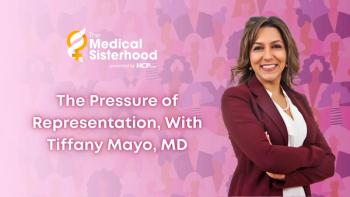
Tiffany Mayo, MD, discusses the pressure of representation in medical leadership, setting boundaries, and staying authentic as a woman of color.
Meagen McCusker, MD, discusses trusting instinct over rigid planning and why female physicians should lean on each other during career transitions.
Meagen McCusker, MD, shares why academic medicine's rigid schedule pushed her toward private practice and building an empowering, autonomy-focused culture.
In this episode of The Medical Sisterhood, physician entrepreneurship is explored as Meagen McCusker, MD, shares lessons on private practice, leadership, and career.
As July is UV Safety Awareness Month, key tips for addressing sun damage, skin cancer signs, photoaging, and more are highlighted in this discussion.
The topic of precision medicine in dermatology is explored in this segment of Bunick's interview at RAD 2026.
This interview at RAD highlights FDA-approved therapies in the atopic dermatitis treatment armamentarium.
This June episode of the podcast highlights one clinicians journey and experiences as a woman physician in the dermatology and rheumatology fields.
This Q&A interview with Mona Shahriari, MD, highlights key atopic dermatitis tips, new developments, and themes from her session at RAD 2026.
A secret shopper study of 49 websites selling GLP-1 receptor agonists found more than 90% issued a prescription, often without bloodwork, photo verification, or clinician interaction.
Mona Shahriari, MD, spoke about the evolving understanding of atopic dermatitis as a systemic disease, the complexities of treatment selection, and more.
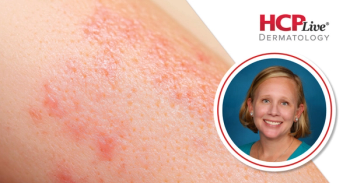
This segment of the May episode of The Medical Sisterhood highlights key points regarding the impacts of role models on young patients in dermatology.
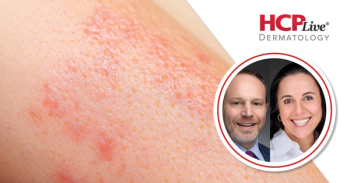
The latest ABCs of Dermatology explored the future potential of amlitelimab in atopic dermatitis and the potential of OX40 ligand-targeted therapy.
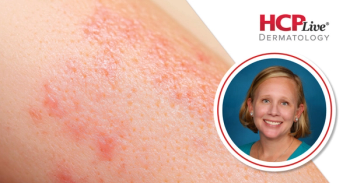
This segment of the May episode of The Medical Sisterhood highlights the importance of addressing patients' and parents' fears in dermatology.
Amlitelimab was discussed in the ABCs in Dermatology podcast, with the hosts highlighting atopic dermatitis patient demographics and high disease burden.
In a recent episode of The Medical Sisterhood podcast, Lisa Swanson, MD, spoke about the importance of female mentorship in medicine.
In this May episode of The Medical Sisterhood podcast, the show features guest Lisa Swanson, MD, discussing the emotional realities of pediatric dermatology.
In this segment from the April episode of The Medical Sisterhood podcast, the speakers discussed simple ways for physicians to get involved in community service without feeling overwhelmed.

Njei explains the evolving treatment landscape for MASLD and how it impacts the cost-effectiveness of noninvasive tests for screening.
Elizabeth Kiracofe, MD, speaks in this segment of her recent The Medical Sisterhood podcast about her career and other community initiatives.
In this April episode, the discussion highlights how intentional choices and practice ownership can help physicians align professional with personal success.
This Q&A interview highlights emerging therapies for atopic dermatitis, featuring Christopher G. Bunick, MD, PhD of Yale Medicine.
Christopher Bunick, MD, PhD, and colleagues conducted a review bispecific and trispecific antibodies in atopic dermatitis.
In the first study of its kind, researchers found that physicians treating sickle cell disease experience burnout at a rate of 60% — driven not by personal factors, but by systemic ones.
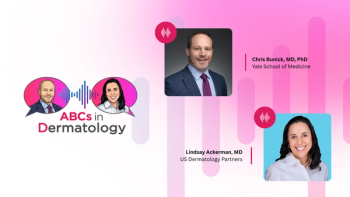
Chris Bunick, MD, PhD, and Lindsay Ackerman, MD, preview the 2026 American Academy of Dermatology Annual Meeting.
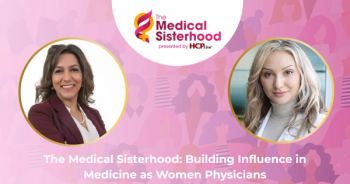
This discussion reflects on great speakers, the unique pressures women face on the podium, and what it takes to build a national platform in academic medicine.
This segment of the latest episode of The Medical Sisterhood highlights insights into the career of Natasha Mesinkovska, MD, PhD.