
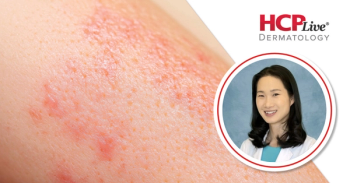
Jennifer Hsiao, MD, discusses HS treatment expectations, biologic selection, oral JAK inhibitors, and comorbidity screening.
Jennifer Hsiao, MD, discusses HS treatment expectations, biologic selection, oral JAK inhibitors, and comorbidity screening.
This segment of the latest episode of The Medical Sisterhood podcast highlights the value of a supportive partner among those who are physician parents.
This segment of the February episode of The Medical Sisterhood podcast highlights burdens faced by those balancing motherhood with being a physician.
This February episode of The Medical Sisterhood highlights key points on juggling work as a clinician and work as a mother.
Panelists discuss their advice for dermatologists managing chronic spontaneous urticaria (CSU), emphasizing the importance of individualized treatment plans, and staying updated on emerging therapies and clinical guidelines.
Panelists discuss the unmet needs in chronic spontaneous urticaria (CSU) management, highlighting the evolution of the field toward more personalized and effective treatment strategies to address refractory symptoms.
Panelists discuss how Bruton tyrosine kinase (BTK) inhibitors are reshaping the evolving treatment landscape for chronic spontaneous urticaria (CSU) by providing targeted therapeutic options that address underlying mast cell activation.
Panelists discuss how patient education and shared decision-making are crucial in selecting appropriate therapies, as they empower patients to understand their treatment options and actively participate in their care.
Panelists discuss how Bruton tyrosine kinase’s (BTK) role in mediating mast cell degranulation makes it an ideal target for chronic spontaneous urticaria (CSU) treatment, as inhibiting BTK could effectively reduce histamine release and its associated symptoms.
Panelists discuss how the integration of advanced treatments such as biologics and Bruton tyrosine kinase (BTK) inhibitors can bridge the gap in managing chronic spontaneous urticaria (CSU) for patients unresponsive to antihistamines.
Panelists discuss how steroids can play a role in the management of chronic spontaneous urticaria (CSU), while emphasizing that practitioners should exercise caution due to potential adverse effects and the need for careful monitoring when using systemic steroids.
Panelists discuss how the treatment goals for chronic spontaneous urticaria (CSU) focus on achieving symptom control and improving quality of life for patients, while also aiming for effective management strategies and adherence to treatment plans for physicians.
Panelists discuss how, given that approximately 49% of patients with chronic spontaneous urticaria (CSU) consult general practitioners, while only approximately 19% see dermatologists, there is a compelling case for more patients to be referred to dermatologists, as CSU is an internally driven disease that may benefit from specialized expertise.
Panelists discuss how disease severity in chronic spontaneous urticaria (CSU) is assessed using tools such as the Urticaria Activity Score over 7 days (UAS7) and the Urticaria Control Test (UCT), while also addressing the frequency of delayed diagnoses and the significant implications for condition management and patient quality of life.
Panelists discuss how testing for chronic spontaneous urticaria (CSU) is recommended, with routine blood counts, including tests for erythrocyte sedimentation rate (ESR) and/or c-reactive protein (CRP), and specific antibody tests such as immunoglobulin G (IgG) anti- thyroid peroxidase (TPO) and total immunoglobulin E (IgE) being highlighted, according to guidelines.
Panelists discuss how the diagnosis of chronic spontaneous urticaria (CSU) involves assessing wheals, hives, and angioedema, while emphasizing that the chronic and spontaneous nature of the condition can complicate the diagnostic process.
Panelists discuss how recent insights into chronic spontaneous urticaria (CSU) pathogenesis reveal potential autoimmune responses and highlight the role of Bruton tyrosine kinase (BTK) as a key mediator in mast cell degranulation and histamine release.
Panelists discuss how patients with chronic spontaneous urticaria (CSU) experience increased rates of depression, sleep disturbances, and absenteeism, significantly impacting their professional life and overall quality of life.
Panelists discuss how chronic spontaneous urticaria (CSU) is defined as the spontaneous appearance of wheals or angioedema lasting more than six 6 weeks, which can significantly impact patients' clinical health and psychosocial well-being.
Panelists discuss how chronic spontaneous urticaria (CSU) affects approximately 0.5% to 1% of the population, predominantly impacting women and often presenting with variable wheals and angioedema.

February 28th 2026
