
Opinion|Videos|October 25, 2024
Understanding the Chronicity of CSU
Key Takeaways
- CSU is defined by wheals and/or angioedema persisting for more than six weeks, with or without identifiable triggers.
- The condition can lead to significant clinical discomfort and potential complications, impacting physical health.
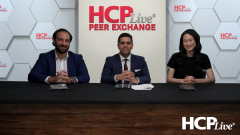
Panelists discuss how chronic spontaneous urticaria (CSU) is defined as the spontaneous appearance of wheals or angioedema lasting more than six 6 weeks, which can significantly impact patients' clinical health and psychosocial well-being.
Advertisement
Episodes in this series
Video content above is prompted by the following:
- Let’s explore the chronicity of the disease and also the definition of spontaneous in the case of acronym CSU.—wWhat does that do they mean for patients with this condition?
- Chronic is lasting more than >6 weeks, according to 2022 international guidelines.
- Spontaneous refers to the appearance of wheals, angioedema, or both for more than >6 weeks due to known or unknown causes.
- How does CSU affect a patients’ overall well-being (clinical and psychosocial)?
Advertisement
Related to this article
A recent MRI analysis of the pivotal OCEANIC-STROKE trial has indicated a complete lack of association between infarct patterns and asundexian’s efficacy.

AAD and HSF issued the first joint hidradenitis suppurativa guidelines, outlining 37 recommendations and flagging step therapy as a major barrier.

A new analysis of 4 major trials has revealed the association between lower SBP and higher TTR and the risk of recurrent stroke after intracerebral hemorrhage.

Data from the phase 2a BIRCH trial demonstrated the treatment’s improvements in mRS and NLR, positioning it for a late-phase trial in the future.

A new analysis of the BRIDGE-TNK trial has demonstrated that patients with cardioembolism are more likely to derive benefit than those with large artery atherosclerosis.
Check out highlights from news published on day 3 of CHEST 2026, spanning COPD, pulmonary embolism, pulmonary hypertension, and AI.
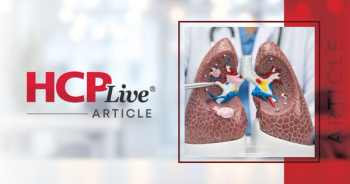
At CHEST 2026, Retno Ariza Soemarwoto, MD, discusses curcumin’s effect on IL-17 in COPD, bioavailability, and what a guideline-ready trial needs.

FDA approves bepirovirsen after phase 3 trials show 19% achieved functional cure at 24 weeks off all hepatitis B treatment.
Advertisement
Advertisement
Trending on HCPLive
1
FDA Approves Bepirovirsen for Chronic Hepatitis B
2
TTR and Systolic Blood Pressure Load Control Improve Recurrent Stroke Risk
3
Frespaciguat Misses 6MWD End Point in PH-COPD: Gabor Kovacs, MD, PhD
4
Tozorakimab Sustains COPD Exacerbation Benefit to 2 Years: Henrik Watz, MD
5