

Findings highlight an increased risk of diabetes, MASLD, and cardiovascular disease in patients with PCOS, with risk varying by PCOS phenotype.

Abigail Brooks is a strategic content lead overseeing HCPLive, RheumatologyLive, and Patient Care Online. She joined MJH Life Sciences in August 2023 shortly after graduating from Monmouth University where she earned her BA in Communication with a concentration in Public Relations/Journalism and later an MA in Interactive Digital Media. She enjoys traveling, running, and reading books. She can be reached at [email protected].
Findings highlight an increased risk of diabetes, MASLD, and cardiovascular disease in patients with PCOS, with risk varying by PCOS phenotype.

Levinthal explains recent advances in the understanding of CVS and how the AGA clinical practice update reflects new information about its diagnosis and management.
A clinical practice update from the American Gastroenterological Association is providing clinicians with an overview of the diagnosis and management of CVS.

An analysis of data from the NV-HOPE study calls attention to lower rates of HBV and HCV screening among low-income US veterans versus the general US veteran population.

The high diagnostic and prognostic application values of newer IgAN machine learning models suggest their eventual utility in clinical practice.

Neuen explains the cardiovascular and kidney benefits of combining SGLT2 inhibitors and GLP-1 receptor agonists in diabetes and the future of combination therapy.

The patient-focused guidelines were developed by the American Kidney Fund and AstraZeneca to help people with CKD manage high potassium.

Low total, direct, and indirect bilirubin were linked to worsened IgAN-related clinical parameters, with reduced total and indirect bilirubin also identified as predictors of IgAN progression.

Refusal of hospital-administered birth doses of the hepatitis B vaccine declined in Washington, DC, from 2017-2022 despite pandemic-related disruptions to other childhood vaccines.

Findings suggest greater CTSS levels are associated with an elevated risk of IgAN and highlight the enzyme’s potential as a diagnostic biomarker.

Findings underscore the importance of HCC screening adherence in patients with HCV-related cirrhosis who achieve HCV cure for improving overall survival.

Findings from a phase 2b study demonstrate fazirsiran’s dose-dependent impact on Z-AAT concentrations and histological measures of liver disease in patients with AATD.
Findings from a meta-analysis examining 12 trials including more than 70,000 patients with diabetes support combining SGLT2 inhibitors and GLP-1 RAs.

Gross hematuria due to infection was not associated with the incidence of gross hematuria due to vaccination in patients with IgAN who received COVID-19 mRNA vaccination.

Compared to individuals with the PI*ZZ genotype, those with PI*SS had a lower risk of lung disease, increased lung function, and better quality of life.

Chehade reviews key findings from the phase 3 EoE kids trial and how they inform dupilumab’s use in children 1-11 years of age with eosinophilic esophagitis.

Patients with chronic tonsillitis had greater IgAN event rates than those without, and further analysis revealed chronic tonsillitis was linked to a greater risk of developing IgAN.
The June 2024 gastroenterology month in review highlights FDA news and other pipeline developments in GI as well as the publication of the latest installment of Qazi Corner.

Emergency department admissions were linked to not receiving hepatitis C care among hospitalized patients who inject drugs or are living with hepatitis C.
This June 2024 month in review highlights hepatic pipeline developments, new MASH therapeutics on the road to FDA approval, and the latest installment of Qazi Corner.

Findings highlight the prognostic value of metabolic syndrome components in predicting both renal and cardiovascular outcomes in patients with IgA nephropathy.

Shiffman reviews some of the key findings from AHFIRM, explaining important considerations for interpreting the results and potential reasons for regional differences in the data.
This June 2024 month in review spotlights HCPLive’s coverage of the latest renal news and research in IgA nephropathy, differences in care, and novel associations in nephrology.
Shiffman describes the current treatment landscape for alcohol-associated hepatitis and what larsucosterol might offer for these patients.

Findings from a post hoc analysis of True North and its open-label extension highlight ozanimod’s rapid onset of action and durability in advanced therapy-naive patients with UC.

The marketing authorization makes the Xpert HCV test and GeneXpert Xpress System the first point-of-care test for diagnosing HCV.

Findings highlight the potential utility of low-dose SGLT2 inhibitors for optimizing diabetes control and managing renal complications in pediatric patients with type 1 diabetes.

Study results highlight the impact of continuous glucose monitoring on glucose control and HbA1c improvements in patients with type 2 diabetes, regardless of treatment regimen.
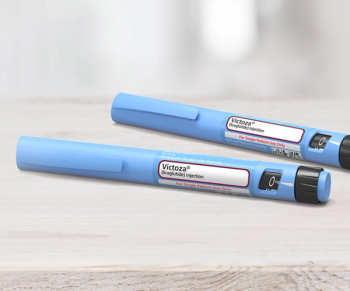
Teva Pharmaceuticals’ launch of an authorized generic of liraglutide injection 1.8 mg (Victoza) for type 2 diabetes makes it the first-ever generic GLP-1.

Participants assigned to a 4-day energy balance diet plus oral bisphenol A administration at 50 μg/kg body weight experienced significant decreases in peripheral insulin sensitivity.