

Nearly half of patients with IBD in remission experienced abdominal pain, which was associated with sex, fatigue, and depressive symptoms.

Abigail Brooks is a strategic content lead overseeing HCPLive, RheumatologyLive, and Patient Care Online. She joined MJH Life Sciences in August 2023 shortly after graduating from Monmouth University where she earned her BA in Communication with a concentration in Public Relations/Journalism and later an MA in Interactive Digital Media. She enjoys traveling, running, and reading books. She can be reached at [email protected].
Nearly half of patients with IBD in remission experienced abdominal pain, which was associated with sex, fatigue, and depressive symptoms.

Although intervention increased HCV RNA testing compared to patients in the standard of care group, treatment uptake was unaffected.

More patients who retransitioned to originator infliximab after switching to a biosimilar discontinued infliximab than patients who remained on the biosimilar.

The greatest level of treatment discontinuation was seen among patients aged 18-24 years, highlighting an increased risk of early disease relapse.

Increased physical activity and diet quality were associated with a lower risk of all-cause and cardiovascular disease-related mortality among patients with NAFLD.

Findings showed colonization with toxigenic C. difficile was associated with a greater risk of CDI during hospitalization than cross-transmission.

Jordan Baeker Bispo, PhD, MPH, discusses the importance of colorectal cancer screening, why clinician screening recommendations are so important, and how patient-clinician communication gaps should be addressed.

A study reveals a link between low free thyroxine and fatty liver risk in type 2 diabetes patients, suggesting a gender-specific thyroid-liver interaction.

Survey results showed patients with a history of live biotherapeutic product therapy preferred rectally administered treatment while patients who had not received live biotherapeutic product therapy would be willing to consider it.

Investigators developed the identification model based on significantly associated factors of fibrotic NASH and tested it in derivation and validation cohorts, where it identified 89.9% and 81.0% of patients with fibrotic NASH, respectively.
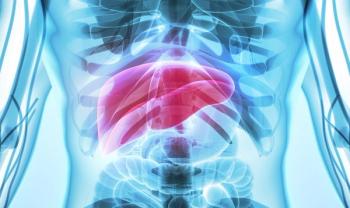
HepaStem, BIV201, and Albutein are late-stage pipeline agents in development for NASH, focusing specifically on decompensated cirrhosis.

Findings showed Fatty Liver Index was predictive of cardiovascular disease mortality among patients with a history of myocardial infarction.
Patients with CDI and COVID-19 faced a higher risk of mortality and had higher CCI scores, a longer length of stay, and greater total hospital costs than patients infected with COVID-19 but not CDI.

The discontinuation of LIMT-2 was announced after 4 patients experienced hepatobiliary events resulting in liver decompensation during the phase 3 study of peginterferon lambda for HDV.

The study's findings show an association between NAFLD prevalence, physical activity, and television viewing, with higher levels of physical activity paired with lower levels of television viewing leading to a statistically significantly reduced risk of NAFLD.

Analysis showed a higher proportion of patients with CD with NAFLD, varying across studies and regions.

Risankizumab outperformed ustekinumab in rates of clinical remission at week 24 and rates of endoscopic remission at week 48, meeting both primary endpoints of the phase 3 trial.
Investigators called attention to low patient-reported levels of clinician recommendation for colorectal cancer screening during wellness visits, noting the prevalence was lowest among those without insurance and without a usual source of care.

Results from the study found independent associations between handgrip strength, abPG-SGA, and SaskIBD-NRT with risk of IBD-related hospitalization, further noting clinical frailty scale and subjective global assessment were not associated with risk of hospitalization.

Investigators noted improved liver function, increased prevalence of anemia, and decreased hemoglobin concentration, hematocrit index, and estimated glomerular filtration rate among patients with HCV after 12 weeks of DAA treatment.

Results from RESPONSE show seladelpar may improve measures of disease activity and reduce symptom burden in patients with PBC.

Performance metrics of NIS4, the ELF test, and FibroMeter VCTE met prespecified criteria for qualification for regulatory approval in stage 1 of the NIMBLE project's circulating biomarker workstream.

Patients with CDI treated with oral metronidazole experienced significantly more first-line drug changes compared to those on fidaxomicin, although there were no significant differences observed in the global or clinical cure rate between the two treatments.

Investigators observed higher rates of clinical and endoscopic remission among patients with UC treated with FMT compared to those on control treatments, further noting comparable rates of adverse reactions between the groups.

Investigators noted the prevalence of metabolic syndrome was highest among participants with obesity, linking increased BMI to a greater risk of metabolic syndrome and NAFLD severity.

Vedolizumab, anti-TNF, and 5-ASA treatments were not linked to an increased risk of CDI, but investigators noted other baseline variables were significantly associated with CDI risk in patients with IBD.

The clinical trial compared outcomes in patients with NAFLD on a resistant starch diet to a control group over a 4-month period, with results suggesting microbiota dietary supplements may improve liver conditions.
Results from the retrospective cohort study indicated viral eradication with DAAs after liver transplantation improved liver function and patient survival after a long-term follow-up, even in cirrhotic patients.

Results from the study found a high risk of CDI associated with clindamycin and low risk associated with doxycycline and minocycline, also highlighting variation in CDI risk within and between classes of antibiotics.

Carolina Mangas-Sanjuan, MD, PhD, discusses findings from her research on the use of artificial intelligence computer-aided detection in colonoscopies in this Q&A with HCPLive.