

There was no statistically significant difference in postoperative thromboembolic events and incident heparin-induced thrombocytopenia among patients treated with branded versus biosimilar enoxaparin.

Abigail Brooks is a strategic content lead overseeing HCPLive, RheumatologyLive, and Patient Care Online. She joined MJH Life Sciences in August 2023 shortly after graduating from Monmouth University where she earned her BA in Communication with a concentration in Public Relations/Journalism and later an MA in Interactive Digital Media. She enjoys traveling, running, and reading books. She can be reached at [email protected].
There was no statistically significant difference in postoperative thromboembolic events and incident heparin-induced thrombocytopenia among patients treated with branded versus biosimilar enoxaparin.

Results showed similar rates of treatment persistence between the groups, with further analysis calling attention to a 40% price reduction in the cost of treatment in Australia due to reference pricing policies between biosimilars and originators.

Investigators ranked ChatGPT responses to healthcare professional-oriented questions about IBD as more useful and reliable than the model’s responses to patient-oriented questions.
Our November 2023 hepatology month in review spotlights data presented at The Liver Meeting 2023 from the American Association for the Study of Liver Diseases (AASLD) as well as news about hepatitis B and C.

Results showed patients treated with vedolizumab experienced less dose escalation and were at a decreased risk of requiring dose escalation compared to patients treated with adalimumab and infliximab.
November’s Gastroenterology Month in Review features an FDA approval, the discontinuation of a phase 3 clinical program, and news about Clostridioides difficile testing and risk factors.

Data from the phase 3 study confirmed the lot consistency, immunogenicity, safety, and tolerability of a toxoid-based Clostridioides difficile vaccine.

8 weeks of treatment with glecaprevir/pibrentasvir was found to be safe and effective among patients with HCV aged 3-17 years.

Pretreatment vitamin D levels were associated with endoscopic improvement in patients with UC and decreased C-reactive protein levels in patients with CD.

Ciprofloxacin, ceftriaxone, and piperacillin/tazobactam showed the greatest associations with adverse drug reaction case reports related to CDI.

The ultrasound prevalence of NAFLD was 23% among a cohort of patients with IBD, with study results further identifying several clinical characteristics associated with IBD-NAFLD including age, gender, BMI, and waist circumference.

The model uses repeated measurements of longitudinal predictors as opposed to variables collected once at baseline to assess risk of HCC after SVR.

Although respondents agreed on the relevance of the gut microbiota in IBD, attitudes toward the clinical application of microbiome-based therapies varied.

A retrospective cohort study of inpatient encounters from 3 hospitals in the Duke University Health System showed greater rates of testing among White patients compared to Black and NWNB patients.

Results from the 24-week extension period of the phase 2b ENLIVEN trial showed sustained improvements in liver fat, fibrosis, and inflammation among those treated with 30 mg weekly and 44 mg biweekly pegozafermin.

Gideon Hirschfield, PhD, MB BChir, Lily and Terry Horner Chair in Autoimmune Liver Disease Research at the University of Toronto, sat down with HCPLive Hepatology to discuss the role of the microbiome in autoimmune liver disease.

Cynthia Levy, MD, professor of medicine at the University of Miami, provided further insight into unmet needs in PBC, the use of OCA-bezafibrate in PBC, and the significance of results from a pair of phase 2 studies presented at The Liver Meeting.

Results showed significant improvements in serum HDL, CRP, and ESR after treatment with biologic therapies

Chari Cohen, DrPH, MPH, discusses the current landscape of hepatitis B management and areas she sees room for development.

Findings from a retrospective cohort study highlighted the impact of bariatric surgery on postoperative ocular disease incidence, reducing the risk of future ocular morbidity.

Household primary language was associated with vision screening, with children from non-English households exhibiting lower rates of pediatric vision screening.

Advanced kidney disease, type 2 diabetes, and high risk of disease progression were prevalent among the cohort based on records collected from the HealthVerity database.

Results highlighted an association between socioeconomic deprivation and greater risk of progression to kidney failure in patients with IgAN.

Topline data from Study 747-213 and a planned interim analysis from Study 747-214 were presented at The Liver Meeting 2023 from the American Association for the Study of Liver Diseases.

Findings were presented at The Liver Meeting 2023 from the American Association for the Study of Liver Diseases and showed empagliflozin reduced liver fat content in both patients with T2DM and nondiabetic patients.

Results showed decreased mortality rates among patients with severe alcohol-associated hepatitis treated with corticosteroids after the COVID-19 pandemic.

Sumera Ilyas, MBBS, discussed cholangiocarcinoma in primary sclerosing cholangitis and the need for global efforts to improve access to more advanced diagnostic testing.

We sat down with Jessica Ferrell, PhD, to discuss key takeaways from her session about the developing role of bile acids both for and beyond cholestatic and metabolic diseases.
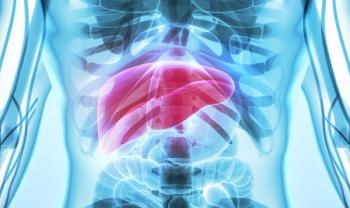
Results from this prospective study in Japan found older age, history of hepatocellular carcinoma, and decreased albumin level at SVR were significantly associated with liver-related mortality after SVR.

We sat down with Ana Lleo, MD, PhD, to discuss primary sclerosing cholangitis biomarkers and the need for future research in this field.