

Consuming a 5mg piperine capsule once daily for 12 weeks was linked to several pharmacological improvements in patients with NAFLD.

Abigail Brooks is a strategic content lead overseeing HCPLive, RheumatologyLive, and Patient Care Online. She joined MJH Life Sciences in August 2023 shortly after graduating from Monmouth University where she earned her BA in Communication with a concentration in Public Relations/Journalism and later an MA in Interactive Digital Media. She enjoys traveling, running, and reading books. She can be reached at [email protected].
Consuming a 5mg piperine capsule once daily for 12 weeks was linked to several pharmacological improvements in patients with NAFLD.
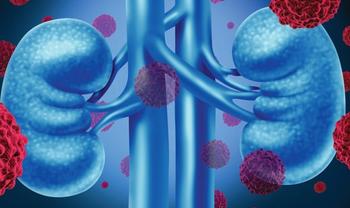
Renal failure risk group classification based on pathological findings from patients’ kidney biopsy, eGFR, and proteinuria was significantly associated with a composite 50% increase in serum creatinine.

We sat down with Julie Khlevner, MD, to discuss new efficacy endpoint data from the phase 3 study used to support the FDA approval of linaclotide for pediatric functional constipation.

Patients in the integrated and standard care treatment arms reported similar SCL-10 scores indicative of psychological stress and symptom burden, both at baseline and after the completion of DAA treatment.
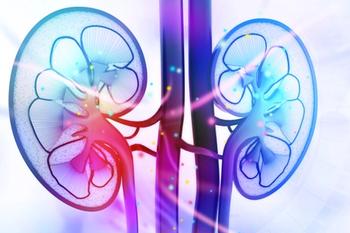
Findings suggest serum C3 may be a viable biomarker for the occurrence and prognosis of IgAN, highlighting the role of the complement system in the disease’s pathogenesis.

Patients ≥ 65 years of age experienced similar rates of remission and adverse events compared to their younger counterparts, with no significant difference in change in renal function observed between the 2 groups.

Results of the retrospective study suggested blood pressure, serum IgA, potassium, and segmental glomerulosclerosis may be predictive of the rapid progression of renal endpoints in patients with concurrent IgAN and membranous nephropathy.

Screening for liver fibrosis was associated with sustained improvements in alcohol consumption, diet, weight, and exercise in individuals at risk of ALD and MASLD.

Results confirmed the long-term efficacy of ustekinumab maintenance in patients with ulcerative colitis, demonstrating consistent rates of symptomatic remission and endoscopic improvement with no new safety signals.

Results suggested bottled alkaline water had no added benefit over tap water for providing alkali content and alkalinizing urine pH.

Liver transplantation after prolonged preservation with dual hypothermic oxygenated machine perfusion yielded similar outcomes to standard perfusion, showing no compromised donor liver quality and equal safety for recipients.

Although the overall response rate among the cohort was 96.4%, this figure dropped as low as 66.7% when accounting for male gender, GT3 infection, cirrhosis, obesity, and non-response to previous therapy.

Adult patients with IgAV required dialysis sooner and had shorter survival time compared to patients with IgAN.

Response to direct-acting antiviral therapy was similar between patients with and without HBV coinfection, with most patients completing the planned course of treatment and achieving SVR, even in the case of HBV reactivation.
Younger age at the time of kidney transplantation, faster progression to end-stage renal disease, a history of kidney transplantation, and no induction therapy were associated with IgAN recurrence, which was linked to poorer graft survival.

The new data was published in The Lancet Gastroenterology & Hepatology and highlighted additional efficacy endpoints from the study used to support linaclotide’s FDA approval in 2023.

Investigators examined data from the Global Burden of Disease, Injuries, and Risk Factors study 2019 to describe the global, regional, and national burden of liver cancer due to hepatitis C since 1990.

We sat down with Katja Gist, DO, for further insight into the use of continuous renal replacement therapy in children and young adults, spotlighting the importance of timing to therapy initiation.

Participants given omadacycline had high fecal concentrations with a distinct microbiome profile compared to those in the vancomycin group, with study results calling attention to the importance of antibiotics’ impact on the gut microbiome.

The post-hoc analysis of the phase 3 ENHANCE study provides the first published evidence of a correlation between decreases in IL-31, bile acids, and pruritus symptoms in PBC following treatment with an investigational agent.

Patients with lean NAFLD had fewer metabolic comorbidities but maintained similar risk of NASH, cirrhosis, nonliver cancer, and mortality compared to their overweight and obese counterparts.

We sat down with Tatyana Kushner, MD, BSCE to discuss findings from her study comparing IVF treatment in women with and without liver disease.
Our December 2023 month in review highlights top news in HCV screening, treatment with DAAs, and MASLD risk factors.

Compared to nonusers, patients with type 2 diabetes and acute kidney disease administered SGLT-2is had a significantly lower risk of mortality, major adverse kidney events, and major adverse cardiovascular events.
IVF treatment and pregnancy outcomes were not significantly different between patients with and without liver disease who received assisted reproductive technology treatment.
Our December 2023 Gastroenterology Month in Review features a pair of American Gastroenterological Association guidelines and articles from the fourth installment of Qazi Corner.
Each 1-day delay in continuous renal replacement therapy initiation was associated with 3% greater odds of major adverse kidney events at 90 days, including mortality, dialysis dependence, and persistent kidney dysfunction.

Statistically significant reductions in serum ferritin, transferrin saturation index, and iron levels were observed after treatment, with hyperferritinemia eradicated in nearly all patients treated with DAAs achieving SVR.

Reduced fecal concentrations of short- and branched-chain fatty acids, secondary bile acids, and tryptophan metabolites were associated with compositional microbiome dysbiosis and risk of postoperative infection.
Greater selenium and lead exposure were associated with an increased risk of MASLD, with further analysis suggesting potential synergistic interactions between different metals and their joint effects on MASLD risk.