
Our October 2023 hepatology month in review features phase 2/3 data, updates in the hepatology pipeline, and other top news.

Abigail Brooks is a strategic content lead overseeing HCPLive, RheumatologyLive, and Patient Care Online. She joined MJH Life Sciences in August 2023 shortly after graduating from Monmouth University where she earned her BA in Communication with a concentration in Public Relations/Journalism and later an MA in Interactive Digital Media. She enjoys traveling, running, and reading books. She can be reached at [email protected].
Our October 2023 hepatology month in review features phase 2/3 data, updates in the hepatology pipeline, and other top news.

Marla Dubinsky, MD, discusses findings from the LUCENT program and their role in the recent FDA approval of mirikizumab for ulcerative colitis.

Results from both phase 2 trials were presented in poster abstracts at ACG 2023.

Atrasentan demonstrated superiority versus placebo for reduction in proteinuria through 36 weeks.
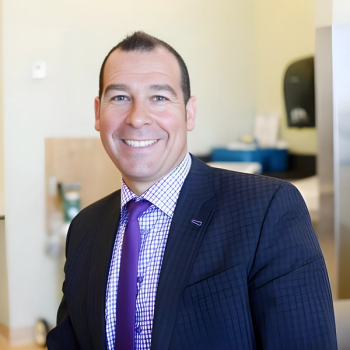
In this interview, Remo Panaccione, MD, discusses results from the long-term extension of the GALAXI phase 2 study for guselkumab in Crohn disease and their implications in clinical practice.
Findings were presented in an abstract at ACG 2023, highlighting the importance of addressing bowel urgency in patients with ulcerative colitis.

Results showed higher-exposure dupilumab met the study’s primary endpoint for peak esophageal intraepithelial count ≤6 eos/high-power field.

Results presented in a paper at ACG 2023 showed upadacitinib was more effective than ustekinumab for achieving clinical response and endoscopic remission.

Results presented at ACG 2023 demonstrated the viability of the HOMA-IR model for calculating insulin resistance to identify lean NAFLD.

Results revealed the inner lower and inner left subfields of the better eye were more strongly associated with vision-related quality of life than the worse eye.

Volume and frequency of alcohol consumption were associated with a greater risk of visual impairment and blindness among patients with newly diagnosed OAG.

Results from the 104-week extension study were presented at ACG 2023, demonstrating mirikizumab’s favorable safety and efficacy profiles.

Experts recommended the early use of anti-TNF therapy for patients with ulcerative colitis and Crohn disease, offering further input regarding the introduction, optimization, and maintenance of the treatment for patients with IBD.

Findings from the phase 1 study informed the clinical development program for GP40141 as a biosimilar treatment for ITP, demonstrating pharmacodynamic similarity to reference romiplostim.

Presented at ACG 2023, findings from a retrospective cohort analysis revealed patients with ALD diagnosed with and prescribed at least 1 medication for alcohol use disorder had a decreased risk of mortality.

Results from a series of focus group discussions revealed donors, collection staff, and physicians supported iron supplementation if donors were given freedom of choice and necessary information about iron deficiency and supplementation.

Presented at United European Gastroenterology Week 2023, results of the retrospective study showed ferric maltol was safe for us in pregnant patients with IBD and iron deficiency anemia.

Presented in an abstract at ACG 2023, filgotinib missed both co-primary endpoints at week 10 but was efficacious at week 52 in the maintenance cohorts.

Final data from STARS Nutrition were presented at United European Gastroenterology Week 2023, demonstrating a significant reduction in parenteral support.

Results from the phase 3 ATLANTIS study showed amitriptyline was superior to placebo across multiple symptom-based outcomes for patients with IBS.
On October 17, 2023, Ardelyx Inc announced the FDA approval of tenapanor (Xphozah) for reducing serum phosphorus in adults with chronic kidney disease on dialysis as add-on therapy.

Results showed autologous FMT was safe and well-tolerated but did not affect time to normalized intestinal habits compared to placebo.

Findings from a systematic review and meta-analysis revealed the pooled incidence rate of cerebrovascular accidents in patients with IBD was greater than in the general population.

Announced by AbbVie on October 15, 2023, positive results revealed 59% of patients treated with risankizumab and 40% of patients treated with ustekinumab achieved clinical remission, respectively.

Use of mirtazapine, nortriptyline, and trazodone among hospitalized patients was associated with a greater risk of CDI.
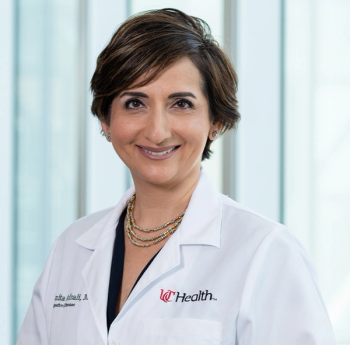
During the long-term extension of the GALAXI trial, 54.1% of participants treated with guselkumab achieved clinical remission and 34.7% achieved endoscopic response.

Patients with IgA nephropathy experienced nearly 30% proteinuria reduction after 6 months of treatment with SGLT2 inhibitors.

The approval of oral, once-daily etrasimod 2 mg was based on positive data from the phase 3 ELEVATE UC 52 and ELEVATE UC 12 trials.

Screen time ≥2 hours/day at 8 years of age was associated with an increased risk of developing IBD.

More than half of patients in the mirikizumab arm achieved clinical remission at week 52.