

Lembo describes the potential of a multi-species synbiotic for the treatment of IBS based on findings from an exploratory study he presented at DDW.

Abigail Brooks is a strategic content lead overseeing HCPLive, RheumatologyLive, and Patient Care Online. She joined MJH Life Sciences in August 2023 shortly after graduating from Monmouth University where she earned her BA in Communication with a concentration in Public Relations/Journalism and later an MA in Interactive Digital Media. She enjoys traveling, running, and reading books. She can be reached at [email protected].
Lembo describes the potential of a multi-species synbiotic for the treatment of IBS based on findings from an exploratory study he presented at DDW.

Lacy reviews key considerations for the diagnostic evaluation and treatment of abdominal bloating and distension based on his session at DDW.
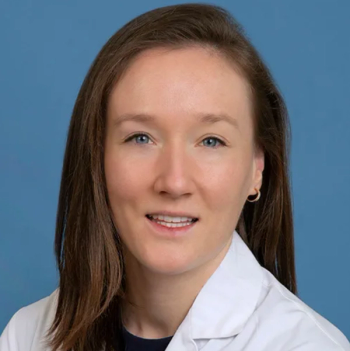
Aby describes findings from a pair of studies presented at DDW exploring the prevalence and impact of financial burden in liver transplant candidates.

Singh explains a potential new approach to the low FODMAP diet based on findings from research he presented at DDW suggesting a simplified step-up method.

Krugliak Cleveland explains findings from research she presented at DDW comparing intestinal ultrasound and conventional approaches to disease monitoring in IBD.
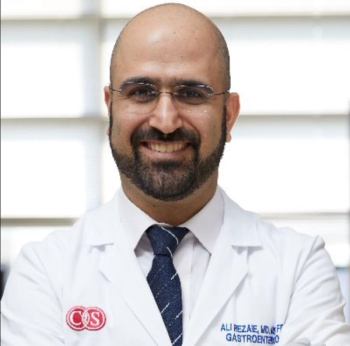
Rezaie reviews findings from a prospective clinical trial of a novel palatable elemental diet, highlighting its 100% compliance rate and strong efficacy.

Panaccione explains findings from GALAXI 2 and GALAXI 3 demonstrating guselkumab’s superiority to ustekinumab in Crohn’s disease, presented at DDW.

Joly explains the burden of parenteral support and the significance of new STARS data showcasing apraglutide’s potential in SBS-IF.
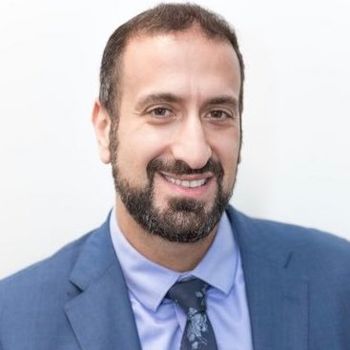
Alkhouri explains survodutide’s mechanism of action as a glucagon/GLP-1 receptor dual agonist and reviews key findings about its use in MASH from the interim analysis.

End-of-study results from the phase 3 REGENERATE study were presented at DDW and highlight obeticholic acid’s trend in benefit for clinical outcomes.

New STARS data were presented in a late-breaking abstract at DDW and build upon positive topline results for clinical responder rates and reductions in parenteral support.

Feuerstadt breaks down findings from an ad hoc analysis of PUNCH CD3 and what the results suggest about the use of live-jslm (Rebyota) in patients taking concomitant medications.

Sehgal explains the safety and efficacy of GLP-1RAs in patients with IBD as well as the impact on inflammatory biomarkers.

Damas explains key findings from her pilot study exploring intervals of a low-calorie plant-based diet as adjunctive therapy to medication in patients with ulcerative colitis.
Rezaie describes recent trends in GLP-1RA prescription patterns from his population-based research presented at DDW, highlighting increases in off-label use.

Dolinger reviews findings from his research presented at DDW about the use of intestinal ultrasound response for predicting endoscopic outcomes in children with UC.
Damas explains what inspired her research about the impact of a low-calorie plant-based diet on clinical response to medication in patients with ulcerative colitis.

Findings were presented at DDW and highlight the feasibility of breath analysis for microbiome metabolic characterization in the digestive system.

Zhang explains disparities in HCC care and the negative impact on long-term outcomes, also addressing potential considerations for vulnerable patient populations.

Results presented at DDW detail the association between ALT, Fibroscan CAP, Fibroscan VCTE, and histological response to resmetirom in patients enrolled in MAESTRO-NASH.
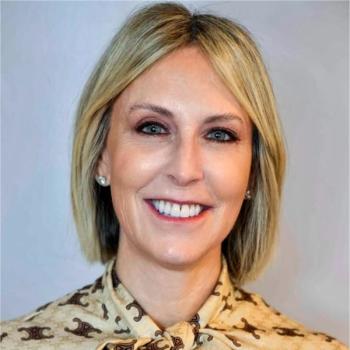
Dubinsky explains the disconnect between patients with Crohn disease and health care providers regarding the impact of and importance of addressing bowel urgency.
Rezaie explains findings from his recent research connecting GLP-1RA use to aspiration pneumonia after endoscopy with deep sedation.

Fendrick explains how stool-based colorectal cancer screening tests can help alleviate the current colonoscopy backlog amid growing demand for the procedure.
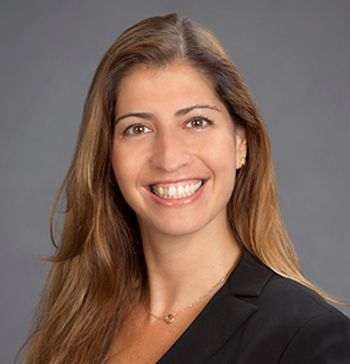
In this Q&A, Levy discusses the current treatment landscape for PBC and what clinical trial data suggest about seladelpar’s potential for these patients.
Fendrick explains the value of additional modalities for colorectal cancer screening to combat the colonoscopy backlog and help patients get screened.
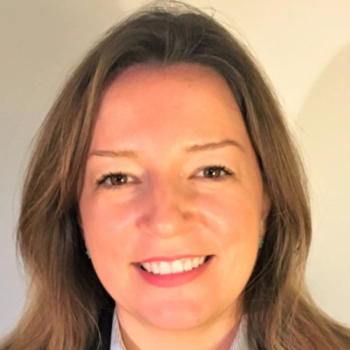
HCV testing was accepted by more than 80% of patients undergoing mammography and resulted in prompt linkage to care.
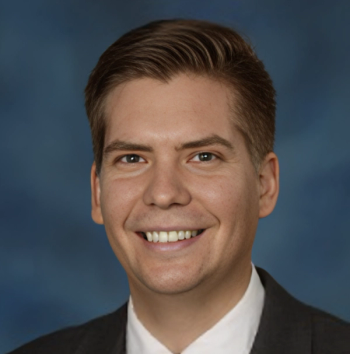
Patients who missed their initial HCV treatment appointment had greater housing instability, transportation difficulty, and a history of medication non-adherence.

An analysis of FDA Adverse Event Reporting System data suggests baloxavir marboxil has lower hepatic toxicity than oseltamivir and may be a safer option for patients with liver diseases.
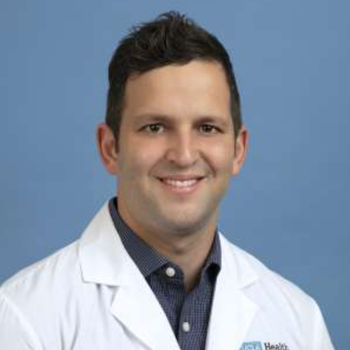
Results of the single-center study showed HCV treatment from PCPs decreased from 2015-2022 but must be improved to help reach elimination goals.
Study results showed systemic corticosteroids induced greater remission rates alone than in combination with other immunosuppressive treatments but were linked to adverse events.