Articles by Alexandra Ward, MA
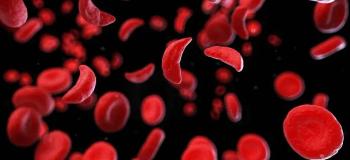
In a late-breaking presentation at ASGCT 2022, investigators shared preclinical results of a gene-editing strategy that seeks to reactivate developmentally silenced fetal hemoglobin (HbF, α2γ2) in order to replace defective sickle hemoglobin (HbS, α2βS2).

In research presented virtually at IDWeek 2021, investigators with the US Centers for Disease Control and Prevention conducted a review of nursing home antibiotic stewardship citation deficiencies in order to improve implementation.

Patients in the propranolol arm recorded a significantly reduced mean office SBP of 130.00 (+/- 13.24) mmHg vs 139.93 (+/- 14.17) mmHg (p = 0.046).

The addition of IPE significantly slowed coronary plaque progression as compared to placebo over 9 months for 4 of the 5 secondary end points.

Udenafil positively impacted measures of exercise performance in patients after Fontan, but did not improve peak VO2.

A total of 61.4% of patients in the immediate angiography group and 64.0% of patients in the delayed group were alive 1 year post-cardiac arrest.

One (1.4%) of 73 patients assigned to early surgery and 11 (15.3%) of 72 patients assigned to conventional treatment died from CV causes.

Taking a routine invasive approach had no impact on clinical outcomes or quality of life in patients with chronic kidney disease as well as stable ischemic heart disease.

Apabetalone demonstrated tolerability and safety in the phase 3 BETonMACE trial but the study did not meet its primary end point of reduction in major adverse cardiovascular events (MACE).
Millie Long, MD, MPH, FACG, associate professor of medicine at the University of North Carolina, Chapel Hill, discusses the exciting research she saw at ACG 2019.

William Sandborn, MD, chief of the division of gastroenterology at University of California, San Diego, shares updates from ACG 2019 in the field of gastroenterology.

Cash talks ACG 2019 highlights and shares the findings of a poster presentation on a new bowel preparation for colonoscopy.
Millie Long, MD, MPH, FACG, associate professor of medicine at the University of North Carolina, Chapel Hill, shares takeaways from a poster presentation at ACG 2019 on the use of day care and infectious complications in children born to mothers with inflammatory bowel disease.

Stephen B. Hanauer, MD, discusses areas of unmet need in gastroenterology and shares what news made a splash at ACG 2019.
Millie Long, MD, MPH, FACG, shares initial updates from the ongoing TARGET-IBD study.
Brooks Cash, MD, delivers his take on areas of unmet need within the gastroenterology field.

Taha Qazi, MD, summarizes his research presented at ACG 2019 comparing objective sleep parameters in minority IBD patients compared to Caucasian IBD patients.

Philip Schoenfeld, MD, MSEd, MSc, discusses the benefits of quality indicators in colorectal cancer screening with colonoscopy.

FMT was highly successful for the treatment of recurrent C difficile, and the cure rate was similar between groups who did and did not receive loperamide prior to the procedure.
After 44 weeks of maintenance therapy, endoscopic improvement was observed in 43.6% and 51.1% of patients treated with the study drug q12w and q8w, respectively.

In 455 subjects, the eradication rate of RHB-105 was superior to that of the active comparator (83.8% vs 57.7%, p< 0.0001).

Among patients with UC, elderly individuals (age >65 years old), females, and Caucasians were more likely to be affected by psychiatric illness.
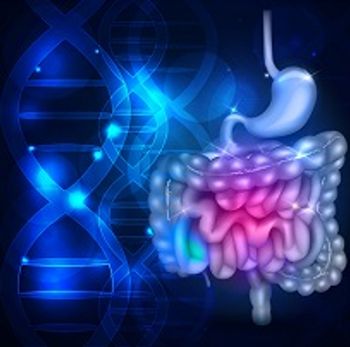
Compared to hospitalized patients with ulcerative colitis but without C diff infection, hospitalized patients with ulcerative colitis and C diff experienced increased mortality.
Brian Feagan, MD, shares takeaways from his ACG presentation of phase 2 data on risankizumab for the treatment of Crohn's disease.
At ACG 2019, Ikuo Hirano, MD, FACG, presents phase 3 results of budesonide oral suspension for the treatment of eosinophilic esophagitis.

Diagnostic procedures of the large intestine were the most common claims within those against gastroenterologists, making up 26% of all closed claims.

The study drug at 600 mg was associated with significant improvements in Crohn’s Disease Activity Index scores as early as Week 2.

From baseline to 12 weeks, all participants demonstrated a significant reduction in total percentage of abnormal bowel movements, overall IBS Symptom Severity Score, abdominal pain and bloating severity, and an improvement in health-related quality of life.

Investigators observed clinical response in 15 patients (83%) who underwent the second IV reinduction. Three patients (17%) did not respond and were taken off the therapy.

Investigators identified a correlation between infection with high-risk strains of HPV and increased risk of cardiovascular disease, especially among women with obesity or metabolic syndrome.


