

Dr. Maguiness speaks of new forms of tinea capitis not traditionally seen in the United States, as well as common practices shared between parents and clinicians for the management of several hair and nail disorders.
Armand Butera is the assistant editor for HCPLive. He attended Fairleigh Dickinson University and graduated with a degree in communications with a concentration in journalism. Prior to graduating, Armand worked as the editor-in-chief of his college newspaper and a radio host for WFDU. He went on to work as a copywriter, freelancer, and human resources assistant before joining HCPLive. In his spare time, he enjoys reading, writing, traveling with his companion and spinning vinyl records. Email him at [email protected].
Dr. Maguiness speaks of new forms of tinea capitis not traditionally seen in the United States, as well as common practices shared between parents and clinicians for the management of several hair and nail disorders.

Dr. Hawryluk noted that acne is estimated to affect 35%-95% of pediatric patients worldwide, though proper diagnosis and treatment of this dermatological condition is possible.

Dr. Owotomo and fellow investigators evaluated 1298 children from the Washington DC area and found that called for greater asthma care by pulmonologists and allergists alike.
Dr. Hawryluk speaks of improving upon tolerability of existing therapies for atopic disease as well as promising new therapies on the horizon.

Cohen believes the emergency injection is not only cost-effective but the ideal treatment method for protecting vulnerable pediatric groups with allergies.
Cohen details some of the diagnostic criteria for anaphylaxis in pediatric populations, differences in symptoms among children and adolescents, and the virtues of epinephrine.

Dr. De Keyser highlights the success of biologics such as omalizumab and dupilumab in the treatment of asthma and atopic dermatitis in pediatric populations.

Dr. Hernandez-Trujilo speaks of her personal history with food allergy, and what she recommends for families and expecting parents in the management of pediatric food allergy.

Prior to the investigation, peanut allergy was often linked to high rates of anaphylaxis, with its prevalence in children and adolescents surpassing that found in adult patients.

The long-term study from Denmark also found a strong association between gender and loss of asthma control, among other factors.

Investigators believe the reduction of DIF usage could result in cost reductions without compromising patient care.

Investigators from Egypt recorded a high prevalence of stress, anxiety, and depression in patients with vitiligo.

Investigators call for pollen monitoring that provides free, continuous, real‐time pollen data representative for any given region.

Delgocitinib is the first and only topical JAK/STAT pathway inhibitor in Japan, and recent data suggests it is effective in the management of atopic dermatitis.

Dr. Lawrence Eichenfield and Dr. David Rosmarin speak to the efficacy of topical ruxolitinib displayed in several trials involving patients with atopic dermatitis and vitiligo.

Investigators also found that patients with alopecia areata were also had significant inflammatory immune injury and vitamin D deficiency when compared to healthy subjects.

Dr. Paller speaks of the AD-GAP study, which shared insights on moderate to severe atopic dermatitis from patients, caregivers, and independent physicians.

Investigators also reported an increase in individualized FeNO associated with young female patients.

Investigators incorporated a myriad of studies detailing the anxiety and depression associated with the disease, and offered new insights into the concerns of patients and caregivers.

A recent press release detailed the phase 3 findings that were presented at the virtual conference, which shows that bimekizumab was well-tolerated and efficacious in patients with moderate to severe plaque psoriasis.

Adult patients with moderate-to-severe atopic dermatitis reported incremental improvement of their condition in a new extension trial study presented at EADV.

Investigators reported that the vaccine prevented symptomatic and severe cases of COVID-19 in several populations including older patients.

Investigators reported that the drug helped improve skin repigmentation in patients with vitiligo, but added that further studies were needed to fully explore its efficacy.

Additionally, investigators believe epidermal impairment in the skin of children with atopic dermatitis could contribute to the development of allergic sensitization.
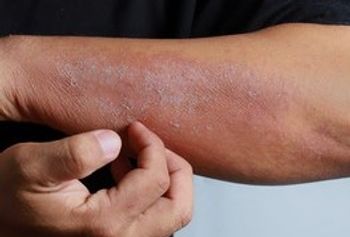
Investigators believed the immunosuppressive qualities of these biologics posed no additional risk in contracting the COVID-19 virus, but added that additional research is warranted.
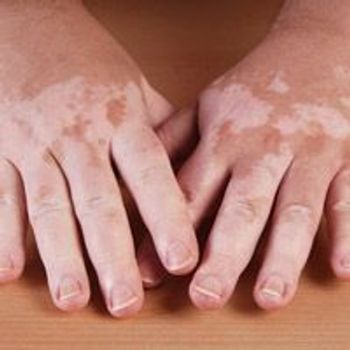
Investigators reported a significant difference in the expansion rate of the skin lesion area in patients with vitiligo in just 3 months of treatment.

Acknowledging the potential medical harm from errors and bias, investigators believe clinical AI needs to be held to a higher standard.

Dr. Castro considers it to be a fruitful and exciting time in the study of asthma-modifying therapy, with some biologic therapies achieving control in patients with severe asthma.

Investigators believe these findings can help identify high-risk groups and prevent exacerbations through tailored treatments.
Dr. Castro talks of the available biologic therapies that can be used to treat asthma and other respiratory disorders.