
Investigators stated that prolonged maintenance dosing of the monoclonal antibody was preferred by affected patients.
Armand Butera is the assistant editor for HCPLive. He attended Fairleigh Dickinson University and graduated with a degree in communications with a concentration in journalism. Prior to graduating, Armand worked as the editor-in-chief of his college newspaper and a radio host for WFDU. He went on to work as a copywriter, freelancer, and human resources assistant before joining HCPLive. In his spare time, he enjoys reading, writing, traveling with his companion and spinning vinyl records. Email him at [email protected].
Investigators stated that prolonged maintenance dosing of the monoclonal antibody was preferred by affected patients.

Investigators reported that the efficacy of the medication is supported by a high safety profile, with fleeting and limited adverse events recorded.

Though immunogenicity responses to the vaccine were lower in dialysis patients, the lower response rate was less apparent in second doses.

Investigators suggested the prevention of exposure during pregnancy could help control atopic dermatitis and other potential allergies in pediatric populations.


The instrument’s score was compared favorably to the Dermatology Life Quality Index and Vitiligo Impact Patient score.

Investigators noted that despite these self-reported allergic reactions, they were not an impediment for the completion of the 2-dose vaccination series.

An increase in benzodiazepine prescriptions in women patients was also reported, which suggested a substantial mental health impact of COVID-19-associated mitigation measures.

Investigators reported that a higher proportion of participants in the abatacept group relapsed between weeks 12 and 40 compared to participants in the ustekinumab group.

To date, dupilumab is the only medicine to show clinically meaningful phase 3 results in this patient population, with regulatory fillings planned for 2022.

Combined therapies such as ultraviolet light and tab methotrexate were deemed effective in the management of vitiligo.

Investigators recommended a treatment course of at least 1-2 months with medium strength to potent topical corticosteroids should be considered before dupilumab discontinuation in affected children and adolescents.
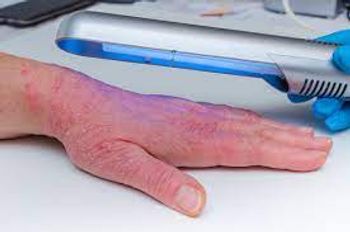
Though high-dose ultraviolet therapy was also effective, investigators were concerned with the potential long-term adverse events.

This represents the first biologic to show positive phase 3 results in prurigo nodularis.

The REVEAL Lite 2 risk assessment tool confirmed that treatment with the agonist improved risk profile and long-term outcomes of patients with pulmonary arterial hypertension.

The risk of developing atopic dermatitis due to these combined effects is especially prevalent in infant boys with high maternal anxiety.

Investigators believe the new instrument could be generalized to other chronic inflammatory skin diseases in future studies.

Investigators propose oral treprostinil be considered when treating patients with pulmonary arterial hypertension.

Patients treated with the monoclonal antibody had increased incidences of conjunctivitis, though many of these incidences were considered mild and were resolved by the end of the study.

A higher proportion of newly diagnosed patients with PAH showed improved risk status after the initiation of the oral prostacyclin receptor agonist.

Investigators noted that the agonist was particularly effective in patients with severe PAH who were receiving spironolactone.

The approval was supported by promising phase 3 data of the VOLTAIRE-X clinical trial.

New data reveals that the pandemic led to significantly less medicines being taken by pediatric patients during the first lockdown in Finland.

Investigators call the combination of intralesional corticosteroid injections and narrow-band ultraviolet B light to be “effective, simple, and relatively safe”.

Investigators believe these data have the potential to be targeted in new drug therapies for the reduction of allergic rhinitis symptoms.

Data from the PAUSE clinical trial reveals that more participants experienced psoriasis relapse in the abatacept group than the ustekinumab group.

Investigators reported a 3% difference in clinically relevant bleeding in participants treated with rivaroxaban and aspirin.

Investigators collected data from several studies which tested the efficacy of the ointment on pediatric populations affected by atopic dermatitis and their families.

Investigators reported that machine learning was non-invasive and accessible to a large array of clinicians, and could help prevent infants from developing atopic dermatitis.

Investigators believe that pediatric patients can gain the most from a combination of interventions, though larger studies are needed to confirm the data.