

Investigators found that exposure to surgical smoke and disinfectants over a long period of time led to increased risk of COPD in US female nurses.
Armand Butera is the assistant editor for HCPLive. He attended Fairleigh Dickinson University and graduated with a degree in communications with a concentration in journalism. Prior to graduating, Armand worked as the editor-in-chief of his college newspaper and a radio host for WFDU. He went on to work as a copywriter, freelancer, and human resources assistant before joining HCPLive. In his spare time, he enjoys reading, writing, traveling with his companion and spinning vinyl records. Email him at [email protected].
Investigators found that exposure to surgical smoke and disinfectants over a long period of time led to increased risk of COPD in US female nurses.

Two study authors speak on providing pediatric patients of color with atopic diseases with greater access to care.

Investigators added that the meaning of each laboratory marker is dependent on the drug that is being used for treatment.

The drug is approved for adults and pediatric patients 12 years and older after the failure of 1 or 2 lines of systemic therapy.
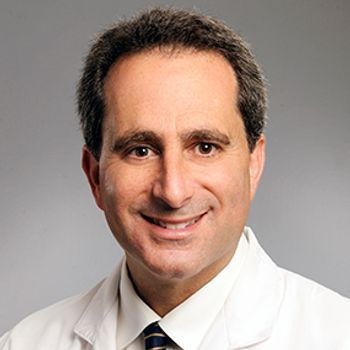
In his recent presentation, Dr. Sperling spoke of how a greater focus needed to be made on the implementation of cardiovascular care strategies, as well as better utilization of health system approaches.
Dr. Castro defines type 2 inflammation and the complications surrounding severe asthma, as well as several biomarkers including IgE levels, blood eosinophils, and exhaled nitric oxide.
The approval follows recent phase 3 trial data showing significant improvement in patient-reported outcomes for the treatment of atopic dermatitis.

An Australian study used data consistent with international literature on the subject of de-labeling penicillin for low-risk allergy patients.

As predicted, previous asthma during early childhood was a strong risk factor for asthma in young adulthood.

Investigators report that few medical schools in Europe consider allergology to be an important area of study, resulting in a lack of knowledge regarding certain allergy practices.

Though well-tolerated and highly efficacious, the biologic was linked several adverse events in pediatric patients with atopic dermatitis including facial erythema and herpes simplex virus.

In this episode of Derm Discussions, vitiligo expert John Harris, MD, PhD, discusses new tactics and therapeutic options in treating inflammatory skin disorders like vitiligo, alopecia areata, and atopic dermatitis.

Though the severity of the COVID-19 virus did not differ in participants with different dermatological conditions, their conditions were affected in alternate ways.

Dr. Papadopoulos reports on new phase 3 data from the LIBERTY VOYAGE ASTHMA study on patients aged 6-11 with moderate-to-severe asthma.

Dr. Ezhkova and fellow investigators found that low UV exposure prompted an increase in pigmentation production through melanocytes in the body.

Dr. Javed Butler referenced several promising ongoing trials of diabetes-related medications and their effects on heart disease but added that unclear guidelines kept them from being properly acknowledged.

Though select diabetes guidelines suggest the use of continuous glucose monitoring on patients with diabetic patients on intensive therapy, the potential benefits on type 2 patients without insulin and pre-diabetes patients has yet to be fully explored.

Though limited data exist, Dr. Dunfaif believes there’s are indications of cardiovascular risk in patients of all ages with polycystic ovary syndrome.

From evidence-based and plant-based diets, to promising new strategies involving SGLT2 inhibitors, Dr. Taub detailed preventative strategies used to combat cardiovascular disease.

Dr. Grunberger believes that the improved time in range brought on by continual glucose monitoring could lead to a reduction in hypoglycemia and risk of cardiovascular events, as well as promising monetary benefits for patients and payers.

While some treatments did not result in reduced instances of strokes in patients, others such as GLP-1 agonists provided Dr. Inzucchi with new opportunities for cardiovascular disease prevention.

Dr. Donna H. Ryan presents data on emerging pharmacological strategies that could aid patients in achieving optimal weight loss and prevent risk of cardiovascular events and diabetes.

Despite having lower burden of several cardiovasculard disease risk factors, cardiovascular mortality is higher in African Americans, which Dr. Dagogo-Jack attributes to disparities in patient care.

Dr. Peter Grant admits that the phenotypes surrounding certain cardiovascular diseases are complex, but notes treatments can be recommended based on individual patients’ complications.

Dr. Chovatiya speaks on the advancements made in vitiligo research, how the disease can disproportionately impact patients of different ethnicities, and how each patient can be properly treated.
In his presentation at TMIOA, Dr. Inzucchi referenced several diabetes medications and glucose management methods that resulted in a reduction of stroke risk in patients.

In an interview with HCPLive, Dr. Jean-Pierre Llanos-Ackert and Dr. Bill Cook discuss how tezepelumab resulted in improved lung function and an 86% reduction in exacerbation rates in this patient population.

A rarity in biologic treatments for patients with moderate-to-severe plaque psoriasis, Dr. Miller notes that patients treated with guselkumab recorded overwhelmingly positive PASI scores.

Despite cautionary programs and air purifiers having been installed in the school to alleviate allergic symptoms, investigators found they did not significantly reduce symptom-days.

As with previous studies, the investigators found that the biologic aided in reducing severe exacerbations and improving lung function in patients with evidence type 2 inflammation.