

Weekly 300 mg doses of dupilumab were associated with significant, clinically meaningful improvements by week 24 in patients with eosinophilic esophagitis
Armand Butera is the assistant editor for HCPLive. He attended Fairleigh Dickinson University and graduated with a degree in communications with a concentration in journalism. Prior to graduating, Armand worked as the editor-in-chief of his college newspaper and a radio host for WFDU. He went on to work as a copywriter, freelancer, and human resources assistant before joining HCPLive. In his spare time, he enjoys reading, writing, traveling with his companion and spinning vinyl records. Email him at [email protected].
Weekly 300 mg doses of dupilumab were associated with significant, clinically meaningful improvements by week 24 in patients with eosinophilic esophagitis

Women with the highest PTSD symptoms level experienced significantly worse rates of change regarding learning and working memory.

Despite an increased risk of new-onset psoriasis from TNFi treatment, investigators considered the absolute risk to be “modest”, with 241 patient-years of exposure needed for 1 additional event.

Dr. Remo Panaccione speaks on promising long-term data of ustekinumab for Crohn's disease and ulcerative colitis, and how it could function as either a first-line treatment or alternative option for patients who were previously exposed biologic therapies.

Patients who reported spending 11 or more hours a week tending to their AD had a greater disease burden and frequent changes in mood.

Incident glaucoma was associated with higher cognitive function scores but steeper rates of cognitive score decline over time.

The most effective strategy reduced the number of screened infants by 24% compared to the current guideline.

A significant increased incidence of FFA has been recorded in recent years, prompting investigators to study the implications of the disease on health-related quality of life.
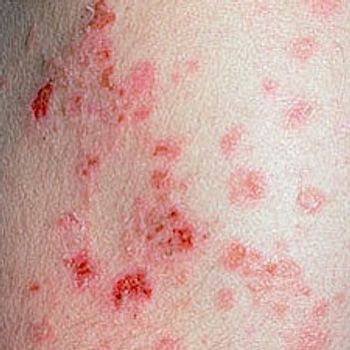
Despite the frequency in which the ARAs were detected, investigators noted that they were not associated with any noticeable patient outcomes.

The Acne-Q and the CompAQ instruments received an “A” recommendation by investigators, though evidence on content validity and other measurement properties were lacking.

Dr. Craiglow speaks on how dermatologists can set expectations with their patients regarding the effectiveness and timeliness of current vitiligo therapies,

Dr. Karan Lal speaks on treating vitiligo in patients from across the world, and how he expects a wave of prescription requests for ruxolitinib cream following the potential FDA approval.

Dr. Cohen of Yale details new therapeutic strategies and the different cultural perspectives regarding vitiligo.


Many patients with vitiligo have become disillusioned with healthcare due to a lack of long-term, effective management strategies. However, Dr. Chovatiya believes the impending ruxolitinib cream approval may signal real change in the treatment of the skin disorder.

Dr. Arkin speaks to how the psychological burdens of vitiligo can be exacerbated in younger patients, and what anticipated approvals such as ruxolitinib cream could mean for pediatric populations.

This downward trend in LVS was suggested to be a product of decreased distribution of patients treated with intravitreal injections.

Dr. Cohen details the latest study from Yale, which indicated that women from lichen sclerosus had increased risk of developing depression and anxiety.

An increased risk of obesity and decreased risk of abnormal weight loss was also observed in patients born to mothers with sickle cell disease.
Several prominent dermatologists sound off on the implications of this decision, JAK inhibitors, and how this approval will aid providers in redefining alopecia areata as an autoimmune disorder rather than simply a cosmetic condition.

Investigators suggested that antipruritic therapies be offered to patients with psoriasis, as most psoriasis therapies did not result in any improvements.

Egeberg and colleagues suggested that future research could study why physicians would choose to increase dosing – which as the study suggested, influenced cost- rather than switching treatments.

The investigative team believed these associations were attributable to the chronic nature of the disease as well as negative associations with quality of life and sexual function.

Data from the first human trial of the topical cream suggests a new approach to treating cutaneous warts in adults.

This is the first FDA approval of a systemic treatment for alopecia areata, which is estimated to affect 300,000 patients in the US.

Although a small proportion of patients from both the US and Korean centers experienced new onset facial dermatitis, investigators suggested steroid withdrawal should be considered when diagnosing erythema in patients.

Investigators note that MMP2 expression was significantly decreased in TTP-treated patients with photodamage.