
At SLEEP 2024, Hartung discussed FloraWorks’ study finding patients on CBN had greater improvements in sleep quality than melatonin, but the difference was not significant.

Chelsie Derman is an associate editor for HCPLive who covers allergy and psychiatry. She joined MJH Life Sciences in September 2023 after graduating from The College of New Jersey with a bachelor’s degree in journalism and professional writing. In her free time, she enjoys creative writing and reading.
She can be reached at [email protected].
At SLEEP 2024, Hartung discussed FloraWorks’ study finding patients on CBN had greater improvements in sleep quality than melatonin, but the difference was not significant.
At SLEEP 2024, Badr presented on novel treatments for central sleep apnea like phrenic nerve stimulation.
Grandner highlights the importance of focusing on insomnia treatment for sleep-related anxiety—not anxiety treatment.
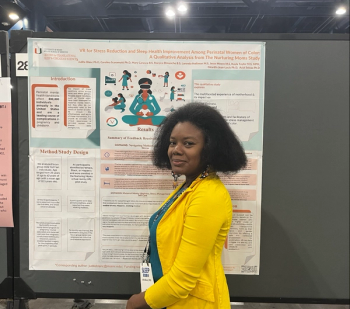
During SLEEP 2024, Judite Blanc, PhD, discussed her team’s ongoing study assessing whether an education VR program improves maternal stress and sleep among women of color.
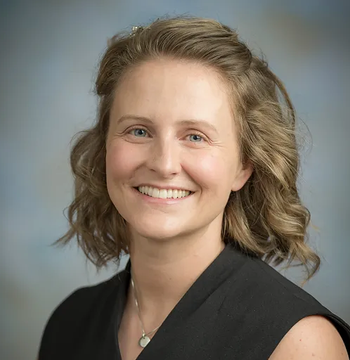
At SLEEP 2024, Broussard told HCPLive about how eating time restriction can serve as another as another dietary tool for people who are unsuccessful with other strategies.
Broussard discussed the importance of eating during the day at SLEEP 2024.
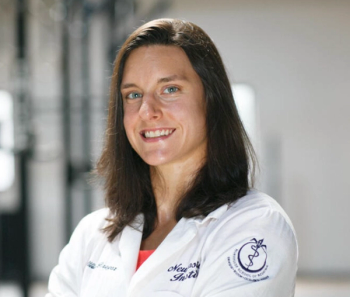
In an interview at SLEEP 2024, Brager talked about the benefits of exercise on cardiovascular health and sleep.
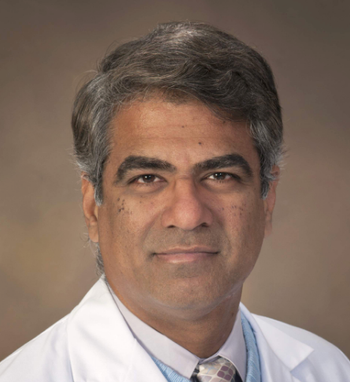
Parthasarathy discussed next steps for research on the relationship between sleep disturbances and immunity in an interview with HCPLive at SLEEP 2024.
Parthasarathy told HCPLive women have a weaker immune response to COVID-19 than men.
In an interview with HCPLive, Parthasarathy discussed the relationship between sleep disturbances and immune function.

In an interview with HCPLive, DelRosso spoke about the 1-year plans of the "Count on Sleep" OSA project.

At SLEEP 2024, Revana told HCPLive her thoughts on the potential of pitolisant to address excessive daytime sleepiness in Prader-Willi syndrome compared to treating narcolepsy.
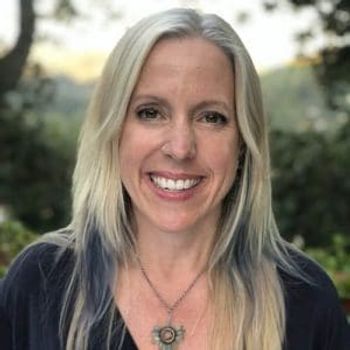
Emerson previews the highly anticipated FDA advisory committee this week, and Lykos' plans for rolling out MDMA-assisted therapy in the event it is approved to treat PTSD.

A study presented as a late breaker at SLEEP 2024 found patients with COPD who have a greater mortality risk have a worse sleep quality.

Presented at SLEEP 2024 as a late-breaker, a study found a positive relationship exists between suicide severity on any day and next-day suicide severity.

A study presented at SLEEP 2024 found medicinal cannabis shows promise for improving sleep onset latency, quality, and duration in children with ASD.
A study presented at SLEEP 2024 found melatonin increased sleep latency and overall sleep quality and decreased awakenings.

A study presented at SLEEP 2024 found persistent or progressive insomnia symptoms are linked to a greater depression risk than subthreshold cases with gradual improvement.

A new study found a negative correlation between salivary rates and disease severity for patients with psoriasis.

At APA 2024, psychiatry experts shared their message to their colleagues for Mental Health Awareness Month.

A new study found patients with psoriasis and depression have increased levels of C-reaction proteins and the erythrocyte sedimentation rate.

The new psychedelic CPT codes, effective January 1, 2024, could impact MDMA if approved. The FDA's Psychopharmacologic Drugs Advisory Committee will discuss MDMA on June 4.

Unlike approved antidepressant drugs which have warnings on their labels stating they may increase the suicide risk, NRX-101 demonstrates meaningful reductions in suicidality.

A new study found a greater PCSK9 is associated with a greater cutaneous melanoma risk.

Patients with hidradenitis suppurativa had the greatest risk of developing various CVS, with heart failure being the most common one.

A study showed tildrakizumab treated difficult-to-treat psoriasis areas in patients who failed anti-IL17 treatment.
In an interview, King provided an overview of the history of psychedelic research for psychiatric conditions, where we are now, and what hurdles investigators must address.
At APA 2024, Weinrieb discussed the positive patient outcomes of using a psychiatry-hepatology approach for the treatment of alcohol-associated liver disease.
Phillips emphasizes the importance of screening for obsessive-compulsive disorders, such as OCD, body dysmorphic disorder, and trichillomania.

In an interview with HCPLive, Jha said clinicians should think of interventional approaches for treatment-resistant depression “sooner rather than later.”