

The hospitalization risk was reduced to up to 75% for patients with heart disease treated with both antidepressants and psychotherapy to manage anxiety or depression symptoms.

Chelsie Derman is an associate editor for HCPLive who covers allergy and psychiatry. She joined MJH Life Sciences in September 2023 after graduating from The College of New Jersey with a bachelor’s degree in journalism and professional writing. In her free time, she enjoys creative writing and reading.
She can be reached at [email protected].
The hospitalization risk was reduced to up to 75% for patients with heart disease treated with both antidepressants and psychotherapy to manage anxiety or depression symptoms.

The SYMPHONY trial found reboxetine can significantly reduce cataplexy, excessive daytime sleepiness, cognitive impairment, depression, and anxiety for patients with narcolepsy.

With limited CBTi-trained psychologists, investigators assessed the effectiveness of a self-guided digital CBTi as another option, so people don’t have to turn to pills.

Bionomics announced the release of the full dataset analysis of the ATTUNE phase 2b trial; the data suggests BNC210 for PTSD could have an advantage over approved medications.

Vice Chair of the Performance Measurement Committee Rebecca A. Andrews spoke to HCPLive about the challenges with performance measures for treating major depressive disorder.

In an interview with HCPLive, Rebecca Andrews, MD, provided insight into the way the American College of Physicians voted on the performance measures for MDD.

The biosimilar recombinant human growth hormone, somatropin, was found to be well-tolerated; only 1.6% of pediatric patients had adverse events suspected to be caused by the injection.

More than half of the participants were identified as insomnia sleepers and nappers, two suboptimal sleep patterns linked with an increased risk of a chronic condition.

A new study found late baby boomers and Generation X reported greater levels of loneliness than early baby boomers and the Silent Generation.

After 5 years, laparoscopic Roux-en-Y gastric bypass cured OSA in 55.1% of patients, and only 20% of patients still had moderate or severe OSA.
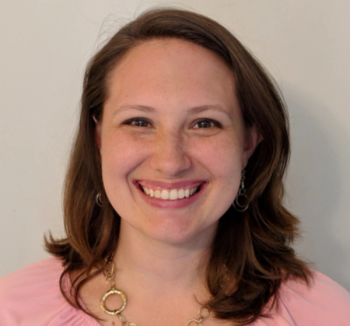
Lindsey Venesky, PhD, discussed how a mental fitness vocal biomarker tool could identify mental health symptoms people might not even be aware of through their voice.

“Having a previous anxiety disorder before a crisis occurs can be a blessing” — a new study found therapy for anxiety before the COVID-19 pandemic helped individuals not have increased anxiety during and after the pandemic.

In an interview with HCPLive, Daniel Karlin, MD, discussed how their phase 2B trial demonstrated MM120’s durability through week 12 for the treatment of generalized anxiety disorder.

Now, 4 years since the start of the pandemic, how has sleep been impacted? Sleep experts provide their perspective.

A new study found women (1.64) had a greater hazard ratio of depression for CVD than men (1.39).

Acadia Pharmaceuticals decided to stop conducting further clinical trials with pimavanserin for negative symptoms of negative due to topline results.

A new study found how premiums for lower-cost plans in Georgia did not reduce enough to make up for the decrease in subsidies, causing people in middle class to have to pay more.

A new study found older adults who are frail are less likely to engage in social interactions, which can cause them to lose social contact and create loneliness.

In an interview with HCPLive, Viktoriya Karakcheyeva, MD, discussed how women healthcare workers experience more burnout than their male colleagues.

The study found being underweight was linked to age-related hearing loss for males, but for females, both underweight and obese were linked to hearing loss.

A study found a 1-percentage point increase in the population with medical debt was associated with 18.3 more physically unhealthy days and 17.9 more mentally unhealthy days per 1000 people for 30 days.

FDA issued a Complete Response Letter to Vanda Pharmaceuticals stating tasimelteon for treating insomnia cannot be approved in its current form due to identified deficiencies.

This psychiatry month in review spotlights new research on detecting and treating major depressive disorder with AI, FDA’s Complete Response Letter for roluperidone, and more.
Our February 2024 month-in-review recaps research on Long COVID’s effect on sleep, Black older adults’ poor sleep quality being linked to executive function decline, among other findings.

In time for daylight savings time starting on March 10, sleep experts weigh in on the harms of the daylight savings transition, such as increased risks for cardiovascular events, car accidents, and mortality.

Older adults who are ≥ 90 years old, have dementia, are frail, and are undergoing vascular surgery have greater hospital readmission rates within 180 days.

A new study found menopausal hormone therapy was associated with a significant reduction in depressive symptoms over time with a greater reduction combined with antidepressants.

Cancer patients with behavioral health disorders, such as substance abuse, eating disorders, and sleep disorders have a 7.76% increase in health care costs, a new study found.

A new study found only 15% of people sleep the recommended 7 – 9 hours for ≥ 5 nights per week.

A new study found cardiovascular risks can last ≥ 3 years after PM2.5 exposure.