

VOQUENZA® provides quicker healing than Lansoprazole, according to an FDA-approved Phase 3 study

Chelsie Derman is an associate editor for HCPLive who covers allergy and psychiatry. She joined MJH Life Sciences in September 2023 after graduating from The College of New Jersey with a bachelor’s degree in journalism and professional writing. In her free time, she enjoys creative writing and reading.
She can be reached at [email protected].
VOQUENZA® provides quicker healing than Lansoprazole, according to an FDA-approved Phase 3 study

A new study found that 25% of PSG-PTSD were related to metabolic traits.

Adults with ADHD have greater reduction of symptoms with regulatory licensed doses of stimulants than unlicensed doses.

The risk of fractures was 14% greater in the group with patients with the autoimmune disease than the control group.

A new study indicates biosimilar trials remained consistent from 4-6 months through 12 months, which investigators suggest indicates these trials could be shortened without affecting safety and efficacy profiles.

Two pivotal phrase 3 centanafadine trials show positive outcomes for children and adolescents with ADHD.

Papola comments on the study he led which found that cognitive behavior therapy is the most effective form of treatment for GAD.

A new study reveals that H. pylori is associated with low serum ferritin. In the study, H. pylori infection was associated with a 28.8% decreased serum ferritin, meaning the infection is linked to less iron stored in the body.

The rates of pediatric and adolescent treatment for depression, anxiety, ADHD, and behavior disorders vary by age, income level, and region.

Among an Egyptian cohort, isolated retinitis is the most common inherited retinal disease, followed by Stargardt, cone-rod dystrophy, autosomal recessive bestrophiniopathy, and the unspecified subtype.

Many carriers reported feelings of concern, anxiousness, and guilt for passing the X-linked inherited retinal disease to their children—and 78% of respondents in a new study believe that carriers should have access to gene therapy options.

Switching from biosimilar CT-P13 to SB2 is safe and effective, according to new research. The patients in the study had no significant changes in their psychometric assessments during the 12 month follow up.

Study finds the biosimilar ABP 654 and ustekinumab do not have clinical meaningful differences according to the step-wide totality-of-evidence approach and thus have similar psychochemical and biological properties.

In a new study, patients with anemia and without anemia experienced similar endodontic pain levels 24 hours after a root canal, but patients with anemia experienced more pain after 48 and 72 hours.

Females commonly have iron deficiencies that leads to perioperative anemia. Since anemia is more common in females, they are more likely to experience higher transfusion rates, according to a new study.
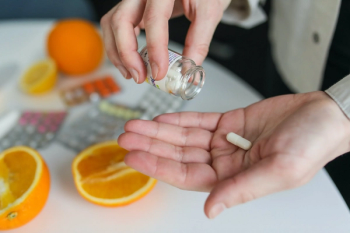
Hemoglobin concentration increased more among patients receiving vitamin D supplementation than the placebo group in a recent study.

In a new study, the effect of smoking did not impact treatment response of anti-VEGF injection for patients with neovascular age-related macular degeneration.

CBT is the most effective treatment for GAD, according to new network meta-analyses that compared several psychotherapies.

Healthy lifestyles, such as partaking in social-bonding activities, completing physical activity, and consuming healthy diets, all help reduce the onset and stop the progression of AM, as well as associated depression and loneliness.

Adult ADHD is associated with a 2.77-fold increased risk of dementia, according to new research.

Solriamfetol could potentially serve as a new ADHD treatment if future research goes positively.

A new study found that 83.3% of practitioners believe biosimilars are just as effective and safe as originator drugs. Yet, because of knowledge gaps related to biosimilars, patients fear disease flares caused by biosimilars, as well as the drug’s effectiveness.
Solriamfetol, typically used to treat narcolepsy and sleep apnea, has demonstrated it can reduce ADHD symptoms with no adverse cardiovascular effects.

People with dementia are associated with needing more help with daily activities, having financial burdens, and having more hospital and nursing facility stays, according to new data.

Participants with PTSD in a new study heard voices more significantly than did patients with schizophrenia and schizoaffective disorder, according to investigators.

Shen explains how the pandemic affected the state of US elderly care, and discusses room for future research.
Shen discusses her team’s research into the link between high turnover rates in US nursing homes and worsened quality of care.

A new analysis was unable to provide conclusive comparisons between the 2 methods of psychotherapy delivery, despite robust data.

Regarding teachers’ responses to handle anxiety in students with autism spectrum disorder, 33.3% teachers promote anxiety and 37.1% promote autonomy.

A trend shows there is an association between the rise of LSD and adults with depression—but it is even more prevalent in young adults aged 18-34 than older adults.