
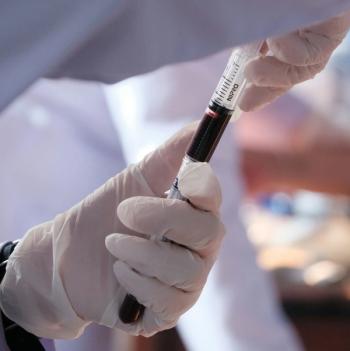
Patients with chronic kidney disease and TSAT levels of 30–40% experienced significantly fewer cardiovascular events than those with TSAT of 20–30%.
Connor Iapoce is the assistant managing editor for HCPLive, after joining the MJH Life Sciences team in April 2021. He graduated from The College of New Jersey with a degree in Journalism and Professional Writing. He enjoys listening to records, going to the movies, and playing with his cat, Squish. You can reach him at [email protected].
Patients with chronic kidney disease and TSAT levels of 30–40% experienced significantly fewer cardiovascular events than those with TSAT of 20–30%.
Our June 2024 month-in-review includes the latest pipeline news, the impact of vision issues on public health, and expert-led insight on the latest in ophthalmology.

Counting down the most impactful news at major medical meetings, it’s the HCPLive Five! This episode focuses on 5 updates from the 84th American Diabetes Association (ADA) Scientific Sessions.

In this episode, Veeral Sheth, MD speaks with Alkeus Pharmaceutical's CMO on the company's lead candidate for Stargardt disease and the TEASE clinical trial program.
Our June 2024 month-in-review for hematology focuses on the latest updates to the hematologic pipeline.

Across the Phase 2 ReCLAIM-2 trial, elamipretide demonstrated photoreceptor protection and the potential for visual function improvement in eyes with dry AMD.

Neurocrine Biosciences was granted Priority Review designations for two crinecerfont NDAs focused on children, adolescents, and adults with classic CAH.
Arshad Khanani, MD breaks down the current treatment options for geographic atrophy and provides insight into the therapeutic pipeline.

Revisits and new antibiotic dispensations were rare, regardless of initial topical antibiotic treatment, in children with acute infectious conjunctivitis.
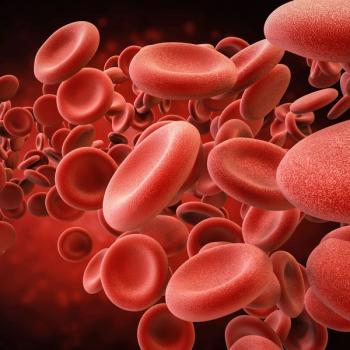
Nearly half of patients with CKD presented with iron deficiency at the initial presentation at the nephrology department.

Inconsistent estimates of self-reported impairment across surveys could impact surveillance on the size of the population with vision problems.

These data pointed to a low risk of persistent IOP increases of intravitreous 0.1-mL injection volumes administered for 1 year in eyes with GA.

Mezagitamab demonstrated no new safety signals and rapid increases in platelet counts across Phase 2b data in treating persistent or chronic ITP.

Vutrisiran achieved statistically significant reductions in primary and all secondary endpoints for patients with ATTR-CM in the HELIOS-B trial.
In retrospective, observational research at ADA 2024, real-world weight loss was linked to a reduction in the risk of obesity-related cancers.

A first-time trial presented at ADA 2024 found the common cholesterol-lowering drug halts vision loss in patients with diabetic eye disease.

Exposure to carbon monoxide correlated with lower odds of anemia prevalence, whereas exposure to fine particulate matter had the opposite effect.

Early detection from a universal newborn screening program in Canada significantly reduced disease-related burden in children with SCD.

Genetically predicted anemia may be casually linked to an increased risk of asthma, suggesting its role in the chronic lung disease's development.

Late-breaking data from EHA 2024 demonstrated a high overall response rate and favorable safety across a range of sHLH patients treated with ELA026.

Bitopertin achieves significant reductions in PPIX versus placebo in patients with erythropoietic protoporphyria.
Long-term Phase 2 data demonstrate KP104's potential as an optimal first-line monotherapy for PNH.

In the ENERGIZE trial, oral mitapivat achieved meaningful improvements in symptoms of anemia in patients with non-transfusion-dependent thalassemia.

The CRISPR-based gene therapy demonstrated durable effects on SCD and TDT, with the longest follow-up extending past 5 years.
Phase 1/2 EdiTHAL trial data shows reni-cell remained well-tolerated and displayed promising efficacy for patients with TDT.
Phase 1/2/3 trial data show the investigational gene-editing medicine has been well-tolerated, with encouraging efficacy, for people living with SCD.

Blood loss due to whole blood donation and menstruation were the two most important determinants for ferritin and hemoglobin levels in female blood donors.

Based on the 36-item Short Form Survey questionnaire, adults with SCD in France report low physical and mental health summary scores.

Hydroxyurea treatment may impact seminal fluid levels and ovarian reserves in male and female patients with sickle cell disease.

Disease activity was similar between patients with JIA undergoing a non-medical biological switch and those continuing the originator anti-TNF product.