
Though physicians routinely weigh therapeutic benefits against risks, several clinical ethics issues are unique to thyroid disease management.
Though physicians routinely weigh therapeutic benefits against risks, several clinical ethics issues are unique to thyroid disease management.

When gallstones are the source of acute pancreatitis, the condition can be life threatening.

When patients with primary hypothyroidism report weight gain, most clinicians understandably believe that initiating appropriate thyroid hormone treatment will reverse the symptom.

As the bioactive fatty acids in milk have been tentatively linked to anti-inflammatory and improved metabolic effects, its calcium, magnesium, phosphorus, and potassium content may lower blood pressure and alleviate cardiometabolic syndrome.
Out of all possible factors, trauma is the single largest cause of death among Americans aged 46 years or younger.
Although healthcare professionals tend to believe women are more concerned about the cosmetics of scarring than men, a study published online in the American Journal of Men's Health has uncovered exactly how men feel about their scars.
Since nearly half of all Staphylococcus aureus infections harbor difficult-to-cure methicillin-resistant (MRSA) isolates, identifying MRSA risk factors could improve infection prevention and treatment, as well as reduce resistance patterns.
Incorporating aspects of the small particle diet into the recommendations for diabetic gastroparesis might be beneficial to patients.
Since surgical patients who develop acute respiratory distress syndrome (ARDS) face a 40% risk of death, a tool that can accurately predict who will develop ARDS is greatly needed.
A study published in BMJ explains the long-term risks of opioid treatment in the postoperative setting.

Although the first clinical case associating acromegaly with schizophrenia was reported more than 60 years ago, researchers continue to ponder the association between the 2 disorders.
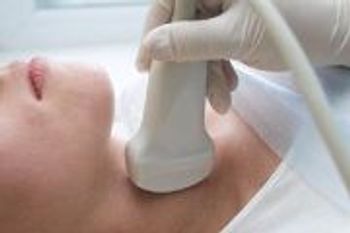
Approximately 50% of the population has at least one thyroid nodule by age 60, although only 5% of those nodules are malignant.
Postoperative surgical site infection is exceedingly rare after hemorrhoidectomy, and routine antibiotic prophylaxis seems to be unnecessary.
Patients with diabetes often develop thiamine deficiency secondary to elevated blood sugar. This deficiency is so common that some experts have referred to it as an epidemic.
Patients with unreasonable or uninformed expectations are often unprepared for the postoperative period and dissatisfied with their outcomes. As a result, healthcare professionals are dedicating more time to studying and managing patient expectations, including making sure all involved have a clear understanding of what to expect in terms of risks and benefits.
Many adhesions are asymptomatic, but in some patients, they can cause pain, small bowel obstruction and other postoperative issues, as well as increase cost and complicate surgical suite workload.
Although molecularly targeted cancer therapies are generally safe and more effective than previous treatment options, some serious adverse events can occur.

Although less than 2.4% of end-stage renal disease patients are expected to experience renal recovery, a research team found sustained recovery occurs more often than previously believed.
As surgical site infections are some of the most common postsurgical complications, finding supplies that can reduce their likelihood is critical.

A recent issue of the Journal of the American Medical Association includes a picture series that is a must-see for physicians who treat patients with diabetes.
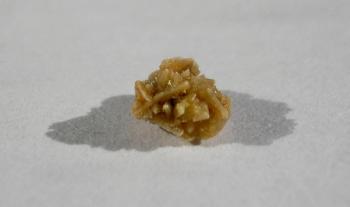
Researchers estimate 43% of the roughly 3.1 million kidney stone episodes among US diabetics are related to type 2 diabetes mellitus (T2DM), while another 680,000 cases may result from poor glycemic control.

While some patients diagnosed with Hashimoto's thyroiditis (HT) undergo a condition metamorphism to Graves' disease (GD), the cause of the autoimmune syndrome switch is unknown.
As many surgeons know, acute surgical wounds occasionally heal slowly as a result of poor local blood supply, infection, blood vessel damage, or a combination of factors. Fortunately, new research suggests hyperbaric oxygen therapy (HBOT) can speed healing in those difficult wounds.
In light of the increasingly intense competition in youth sports, the American Medical Society for Sports Medicine (AMSSM) has issued a new position statement that is of interest to healthcare providers, especially surgeons.
In 10 randomized controlled studies, patients who chewed gum after elective colorectal surgery had shorter lengths of hospital stay and were less likely to experience complications.

Researchers at Tufts University have published a timely review of the cranberry's phytochemical composition with emphasis on urinary and cardiovascular heath.
Patients who have experienced hemorrhage and sepsis seem to gain the most benefit from damage control procedures if the surgeon uses careful patient selection.
A researcher from the University of Central Florida Medical School addresses many concerns and misperceptions of fructose-containing sugars.
Study concludes that patients refusing blood products should not be denied non-cardiac surgical treatment.
During the limited period in which the cosmetic surgeon consults with a body dysmorphic disorder (BDD) patient before rhinoplasty, several factors must be assessed and discussed.