
Reports had suggested that mitochondria in adipocytes may potentially have central roles in regulating substrate metabolism, energy expenditure, and the disposal of reactive oxygen species.
Reports had suggested that mitochondria in adipocytes may potentially have central roles in regulating substrate metabolism, energy expenditure, and the disposal of reactive oxygen species.
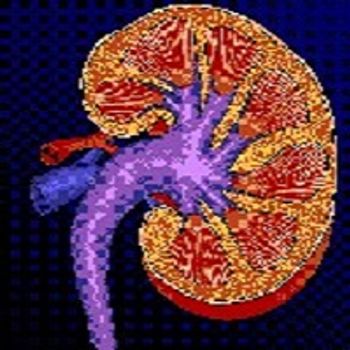
The National Institute of Diabetes and Digestive and Kidney Diseases (NIDDK) reported that one in 10 American adults had some level of chronic kidney disease (CKD), and that kidney disease is the 9th leading cause of death in the US.

Smoking rates were found to be higher in men than in women, but decreasing in both sexes – reports had indicated the rates may be increasing in young women. Previous studies have shown women become addicted to nicotine faster and have greater difficulty quitting smoking due to more intense cravings when stimulated by cues than men.
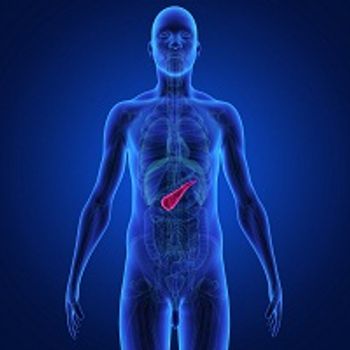
The incidence and mortality of pancreatic adenocarcinoma, the fourth leading cause of cancer deaths in the United States, are both on the rise. Globally, the disease is responsible for 227,000 deaths annually. Researchers from the National Taiwan University College of Medicine recently published a meta-analysis that demonstrated a dose-response relationship between fasting blood glucose levels and pancreatic cancer risk. They also examined the link between prediabetes and pancreatic cancer risk.

Surgeons from several leading medical schools in the United States gathered expert witness guidelines among major surgical societies for review. They looked for gaps in the standards to stimulate discussion about areas for improvement. Their review provides an educational look at the surgeon's role in the judicial system.

Many health care organizations have started to lessen their environmental impact slowly by tackling small problems and making manageable changes. A multidisciplinary team of researchers from across the US carved out one surgical procedure to determine environmental impact. Their assessment of abdominal, vaginal, laparoscopic, and robotic hysterectomy appears ahead of print in the journal Environmental Science and Technology.

In many medical fields, malpractice has driven changes in the way physicians practice medicine. In the surgical field, tracheotomies are often crucial, but are associated with a high risk of morbidity and mortality. A quick look at the results when one enters "tracheotomy" and "lawsuit" into any search engine shows that patients, dissatisfied with myriad aspects of breathing through a tube, often sue after this procedure.

Postextubation dysphagia is a common but often unrecognized problem in critically ill patients who've been intubated for 2 days or more. Its causes include mechanical abrasion, cognitive disturbances, and the residual effects of narcotics and anxiolytic medications.

Slightly more than 6.8 million community-dwelling Americans use assistive devices (eg, canes, walkers, crutches) to help them with mobility and, of these, 1.7 million people use wheelchairs or scooter riders. These Americans at risk for unique musculoskeletal problems, especially rotator cuff injuries.
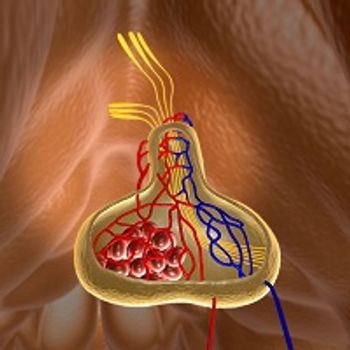
The Endocrine Society has issued a clinical practice guideline for the diagnosis and treatment of acromegaly, a rare condition usually caused by a non-cancerous, growth hormone-producing pituitary tumor.
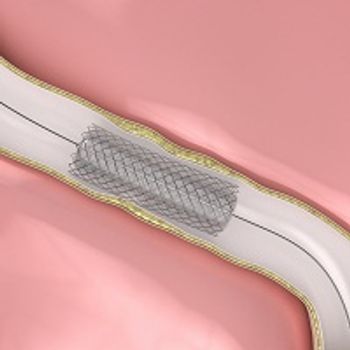
Cardiologists have discussed the pros and cons of drug-eluting stents (DES) for several years. Some evidence seems to indicate that DES reduce risk of restenosis or ischemia-driven target vessel revascularization. They may, however, be more prone than bare metal stents to late (beyond 1 year) and sudden coronary artery occlusion.

Also known as alternate day fasting, "zigzag" caloric cycling calls for the dieter to eat the number of calories required to maintain weight one day, and then 25% of his or her energy needs on the fast day. Studies have shown that individuals who are compliant with this pattern can lose 4% to 8% of their body weight over 8 to 12 weeks.
Benign paroxysmal positional vertigo (BPPV), an idiopathic condition for patients, occurs when otoconia of the utricular macula become dislodged and floating debris moves into semicircular canals. Recently, researchers have noted patients with BPPV tend to have low serum vitamin D levels compared with controls.

Distal radius fracture-also called a wrist fracture by patients-is common. Its incidence is expected to increase in the next 20 years, since our population is aging and the risk of this specific fracture increases in patients with metabolic disorders, including osteoporosis. However, the health care community has yet to reach a consensus regarding indications for surgery, and there is insufficient data to identify a preferred operative technique.
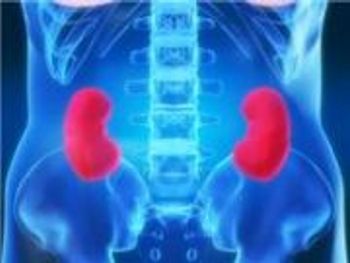
Kidney donors may have lower 1,25-dihydroxyvitamin D and phosphate levels. Their parathyroid hormone levels may be elevated, but with minimal effect on calcium levels.

Clinicians who see their own clinical outcomes data (sometimes referred to as surgeon-specific mortality data) can use that information to promote and enhance patient safety. However, critics of this approach argue that places the burden solely on the surgeon and under-appreciates the surgical team's role and dismisses hospital staffing, infrastructure, and process as contributors to patient safety.

When surgical patients have tumors that secrete adrenal hormonal, the anesthesiologist needs to thoroughly address preoperative evaluation, perioperative hemodynamic control, electrolytes, and metabolic abnormalities
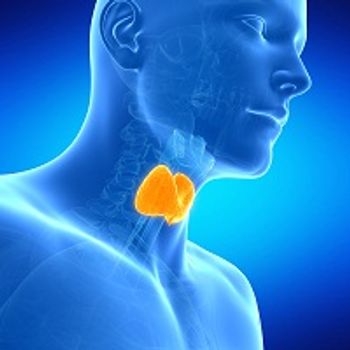
Thyroid dysfunction causes many well-recognized changes at the level of the brain, and most are reversible with treatment. Patients who have hypothyroidism often have other neuropsychiatric comorbidities, including affective disorders, depression, cognitive function loss, anxiety, or irritability.

Deep brain simulation (DBS) -- surgically-implanted brain pacemakers that reversibly change brain activity and improve quality of life for many patients -- have been available since 1997 for essential tremor and approved for Parkinson's disease since 2002.

Prescription opioid analgesics play an important and legitimate role for surgical patients, and proper use by surgeons ensures that patients find the pain relief they need with few adverse events.
Prescription medications for mental health diagnoses (e.g. antidepressants, antipsychotics, and mood stabilizers) consume approximately 25% of commercial health insurers' pharmacy budgets and almost 35% of public payers' pharmacy spending. In 2011, an estimated 26.8 million US adults-more than 11%-took prescription medications for mental illness.
Study results show that treatment with a proton pump inhibitor does not reduce the effectiveness of metformin treatment in patients with type 2 diabetes.

Bodily pain and headache are highly prevalent in pituitary disease, making pain screening and therapy an important part of the work-up for these patients.
Symptomatic severe aortic valve stenosis reduces life expectancy and prompts the need for aortic valve replacement, which can be done 2 ways.
In the future, topical chelators and novel agents will be available to improve wound healing in patients with iron aberrations or inflammatory states.
The issue of inappropriate antibiotic prescribing, which increases duration of treatment and hospital length of stay, is complicated in the surgical suite.

Despite these improvements in medical technology, diabetic nephropathy remains unpredictable and life-threatening. Identifying high-risk patients at an early stage could help clinicians take appropriate steps to reduce risk.
Surgeons and endocrinologists have wondered if bisphosphonate use might reduce revision hip replacements, and a new study indicates they may help.
Surgeons' concerns about a controversial process to transition high-risk patients off anticoagulation may be warranted.
Agent Orange exposure several decades earlier may increase morbidity from various diseases, some of which have rarely been explored in previous epidemiologic studies.