

A number of innovative, virus-targeting agents are under investigation to treat HCV—or even prevent it.
A number of innovative, virus-targeting agents are under investigation to treat HCV—or even prevent it.
Alcendor discusses the recent uptick in cases and hospitalizations, as well as the latest variants of concern and developments in 2023-24 booster doses.

New phase 2 data adds to the growing interest in the psychedelic treatment as a novel drug to treat MDD.

A prospective cohort analysis of pregnant women in Rotterdam shows a potential link between the popular drug class and emotional regulation development trajectories.

Ashfaq Marghoob, MD, discusses his recent workshop presentation on dermoscopies for skin cancer.

A study of 7 million-plus US adults shows telehealth visits for mental health conditions increased more than 10-fold during the COVID-19 pandemic.

A large systematic review assessing more than 60 drugs for bipolar depression shows only a handful were statistically signifcantly better than placebo per depressive symptom outcomes.

A proof-of-concept trial shows a program that addresses sleep pressure, circadian rhythm and hyperarousal in adolescents and young adults receiving mental health care is promising.

A systematic review shows the muscle relaxant therapy is the lone intervention to benefit outcomes for the liver diseases among patients with alcohol use disorder, per randomized trials.

New cohort analysis shows residents entering medicine in 2020 were actually less likely to report symptoms of PTSD than their earlier peers.

An analysis into correlation between COVID-19 vaccine uptake and that of more established vaccines showed research is lacking—yet troubling all the same.

Phase 3 data show a significant clinical profile associated with durable reductions in IgA nephropathy biomarkers among patients treated with Nefecon.

The pioneer in social anxiety disorder discusses how the investigative nasal spay may alter the trajectory of patients' conditions.

The pioneer in social anxiety disorder discusses his involvement in a promising, fast-acting nasal spray showing promising outcomes in late-stage trials.

Data support the benefit of bariatric surgery in patients at high risk of pancreatic ductal adenocarcinoma due to BMI and metabolic comorbidities.

Instances of urgent IBD hospitalization, surgery, death or lack of response to steroid therapy are linked to symptoms of depression and anxiety.

Investigators find that while general hospitalizations decreased in 2020, hospitalizations due to alcohol-associated hepatitis increased by 16%.

Qazi reviews an analysis of an EHR-assisted smoking cessation module that could improve conversations between specialists and patients.

New 12-week data shows an investigative oral drug provided significant benefit in key outcomes associated with NASH disease relief.

An analysis of postmenopausal women shows a nearly two-fold increase in liver cancer incidence among those who consume at least 1 soft drink or fruit drink daily.

Vistagen reported significant improvement of physician- and patient-reported anxiety among trial participants who underwent an anxiety-inducing public speaking exercise.

While discussing a review of noninvasive options, the gastroenterologist addresses the growing interest in non-colonoscopy screening and surveillance methods.
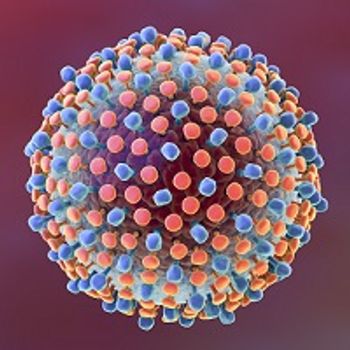
Approximately 1 in 5 newly diagnosed patients are initiating direct acting antivirals within 6 months, according to Medicaid data review.

A Mayo Clinic study shows FMT may provide benefit for patients experiencing recurrent infections during their C difficile treatment.

The approval is the second granted to a geographic atrophy drug that targets the complement pathway.

Clayton, a primary investigator in the drug's pivotal trials, discusses what the historic FDA approval means for managing PPD in women.
The approval marks the first indication for a postpartum depression drug—one that which has been touted for its rapid-acting effect and sustained benefits.

Qazi reviews the selective JAK1 inhibitor's benefit for patients who previously failed TNF inhibitor regimen.

A multinational study shows people who achieve sustained virologic response still face a 3-fold greater risk or more of mortality due to liver disease or drug-related issues.

Global estimate prevalence data suggest the virus affects more than 3% of the population, with available treatment and vaccination strategies used too infrequently.