

The study author discusses the impact of findings showing MASH resolution without worsening fibrosis is a surrogate endpoint for 15-year bariatric surgery survival.
The study author discusses the impact of findings showing MASH resolution without worsening fibrosis is a surrogate endpoint for 15-year bariatric surgery survival.
Loomba discusses how practices like his own are adapting to the new nomenclature in metabolic-associated liver disease.

A new study from the GALA cohort shows serum bile acid's association with clinical outcomes is relevant in the context of IBAT inhibitor therapy.
Sanyal discusses the makeup of retatrutide and its potential for patients with fatty liver disease and comorbid metabolic conditions.

Pooled data from The Liver Meeting showed odevixibat sustains itch and serum bile acid benefits in patients with Alagille syndrome. An investigators shares what he wants to learn next.
Post hoc phase 2b analyses suggest peogzafermin may benefit severe fibrosis regardless of MASH patients' cirrhosis status.
Retatrutide, an investigational triple-agonist therapy, may help resolve liver fat prior to progression to severe disease.
New pooled phase 3 and extension trial data show odevixibat continues to improve disease management and itch reduction in children with Alagille syndrome.
Investigators observe significantly greater 15-year survival rates after bariatric surgery among patients who achieve MASH resolution versus those who do not.

Interim data presented at The Liver Meeting highlight the novel antigen-specific immunotherapy's potential in resolving hepatitis B.

Madhumita Premkumar, MD, discusses a nationwide, cost-efficient eradication strategy she believes could benefit Americans' efforts to curb HCV.
New analyses from the phase 3 MAESTRO-NASH support the oral daily drug's benefit for cardiovascular and hormonal outcomes over 1 year.

Findings from The Liver Meeting show the impact of acute alcoholic hepatitis on progression to severe disease and risk of death among younger populations.
As more cases continue to disproportionately affect US women, an expert explains the biologic, sociocultural and clinical factors impacting the climb.

A trio of investigators discuss how research into bile acid interplay with the gut may lead to breakthroughs in treating conditions like NAFLD and NASH.
The founder of PSC Partners Seeking a Cure discusses how screening and treatment for the rare disease has evolved since her diagnosis 20 years ago.
A trio of scientists discuss the inception of a daylong Liver Meeting symposium around a little-understood subject in hepatic disease.
An analysis of national Canadian data suggest patients receiving either originator or biosimilar infliximab are at a similar risk of the common adverse event.

Analysis shows the rate of use with the originator biologic has decreased from 90% in 2016, to 19% in 2021.
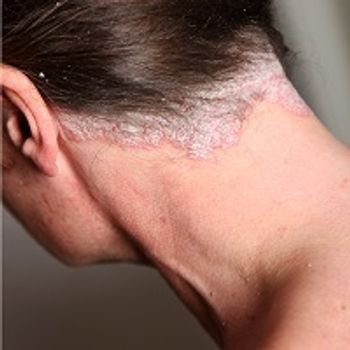
Trial data support multiple switching between biosimilar and reference product over a 48-week course for the treatment of psoriasis.
For Lung Cancer Awareness Month, Lungcast speaks with Christy Fischer, a patient who's spent the last 17 years fighting late-stage cancer.

Very few patients switch off a biosimilar due to adverse effects, according to a new study.
Consumers should avoid Dr. Ergin’s SugarMD Advanced Glucose Support due to an increased risk of adverse events including hypoglycemia.
Despite recommendations to consult with ophthalmologists prior to initiating semaglutide, the cardiometabolic drug was not found to be linked to worsened DR outcomes.

New AAO 2023 data suggests drugs like dapagliflozin and empagliflozin may provide greater protection against glaucoma than GLP-1 agonists or DDP-4 inhibitors.
New data from the Cleveland Clinic Cole Eye Institute showed patients not responding to anti-VEGF inhibitors could improve clinical and regimen parameters with short-term faricimab.
Secukinumab (Cosentyx) becomes the first IL-17A inhibitor, as well as the first drug since 2015, approved to treat adults with moderate to severe HS.

Kremer discusses new ad hoc findings from the phase 3 ENHANCE trial showing seladelpar's unique effect on pruritus in patients with PBC.
New data from ACG 2023 shows etrasimod-treated patients were able to achieve UC remission, with or without concomitant steroid treatment at baseline.
New QUASAR analysis shows patients with intolerance or failed response to advanced therapies nonetheless achieved benefit with guselkumab.