

A post hoc analysis of phase 3 adds support to the IL-17A inhibitor for the potential treatment of HS.
A post hoc analysis of phase 3 adds support to the IL-17A inhibitor for the potential treatment of HS.
While contact dermatitis is difficult to distinguish in children, there has become a greater collaboration between allergic and dermatologic specialists in managing conditions like atopic dermatitis.
The first triple-combination topical drug for acne may be available by the end of this year. One expert has high hopes for it.

Zirwas touts topical ruxolitinib's rapid, effective treatment of atopic dermatitis, and reviews the safety outcomes associated with JAK inhibitors.

Pigmentary disorders including melasma are difficult to treat and complex. The leading agent for one expert was uncovered by unique circumstances.

From addressing the rare acne fulminans to utilizing narrow-spectrum antibiotics, the modern field of acne treatment is more complicated than it seems.

Analysis of phase 3 trial data show the JAK inhibitor is generally safe among patients with severe forms of the chronic hair loss disease.
In the span of a decade, agents like topical ivermectin, minocycline and benzoyl peroxide has provided more opportunities to achieve clear skin for rosacea patients.
The trial investigator reviews disparities in patient needs and treatment outcomes based on their skin complexion, 1 year after ruxolitinib's FDA approval.

Often lost in the fray of new drug development is the need to reinforce improved behavioral health, explains a longtime dermatology nurse practitioner.

On the basis of discovery into what drives adult-onset eczema, the novel drug may provide a unique benefit for impacted patients.

A post hoc analysis shows the investigative drug significantly improved atopic dermatitis symptoms versus placebo as soon as the first week into a phase 2 trial.

It's been a whirlwind few years for dermatology. The nurse practitioner discusses modern care teams, comorbid psoriatic disease, and expanding patient inclusion in clinical trials.

Yan discusses how acne care strategies have been bolstered—and complicated—by pharmacotherapy and telemedicine developments.

With multiple drug classes working toward FDA indication, a dermatologists explains his strategy for managing hidradenitis suppurativa.

The first trial observing the topical drug in children held promise for an extended indication.

The CHOP pediatric dermatology director reviews recent breakthroughs in understanding complex pathophysiology of skin diseases.
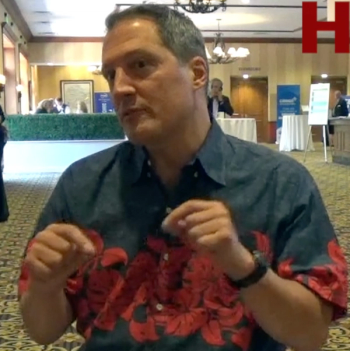
The investigator explains why he believes the PDE4 inhibitor is "as close to a perfect drug as you can hope for in seborrheic dermatitis."

New CDC survey data show an estimated 47 million adults in the US have ever been diagnosed with depression, with clear disparities based on demographics and regions.

With a pair of novel drugs seeking FDA approval for the common skin infection, the agency stresses avoiding misleading products currently on the market.

A geriatric expert, Presley provides a poignant point-of-view on the need for a multidisciplinary approach to patient care, as well as advances in treatment that include targeted therapies.
The approval makes odevixibat the second IBAT inhibitor approved for the rare genetic disease, with capability to benefit both liver damage and itch symptoms.
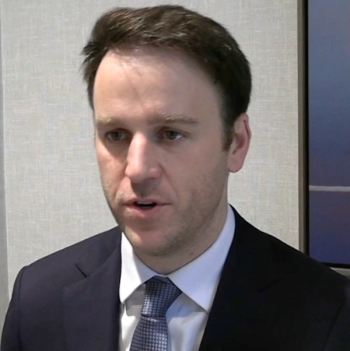
An investigator argues for greater prescriber understanding and communication of real-world efficacy and safety outcomes for the latest oral JAK inhibitor approved for atopic dermatitis.

Oral JAK-1 inhibitors upadacitinib and povorcitinib are showing significant benefit for patients with HS, and may soon be up for FDA decision.

Cases have increased annually; a clinician shares his strategy for remaining aggressive and diligent in prevention and management.

Secukinumab and bimekizumab may reach the market soon for the treatment of HS. What will it provide patients?

The cross-specialty collaboration between dermatologists and these fields has been a daily occurrence, as inflammation-targeting drugs and comorbid patients have brought team closer together.

Since roflumilast cream was approved by the FDA last July, one dermatology physician assistant advocates for its use as a primary medication.

The introduction of the TYK2 inhibitor is the latest advancement toward cross-specialty care with systemic agents.
Ahead of Fall Clinical Dermatology 2023 Conference for PAs & NPs, Glick discusses how the COVID-19 reshaped dermatology roles, and the value of physician assistants and nurse practitioners in the current care team.