

A review of 3 new studies, which indicate the association between severe COVID-19 and the chronic disease is more intricate than previously thought.
A review of 3 new studies, which indicate the association between severe COVID-19 and the chronic disease is more intricate than previously thought.

From better education, to remote monitoring and consistent check-ins, clinicians may need to initiate better adherence in their younger, severely ill patients.

How dupilumab is observed to benefit EoE patients—and who may administer the biologic therapy.

An interview on the TSLP inhibitor's effect on exacerbations, hospitalizations, and disease progress over 52-week findings.

Perspective on how the interleukin-targeting biologic has unique benefit for the rare, under-resourced disease.

Late-breaking data show allegic children as young as 1-4 years old may have sustained benefit from daily peanut protein exposure.
An interview with a Children's Hospital Colorado investigator on new remote-monitoring research into children's adherence trends.

New survey results depict unexpected burdens in long-haul patients, as well as continued issues following rehabilitation.

An interview with a study author on new interpretations of biologic asthma benefit.
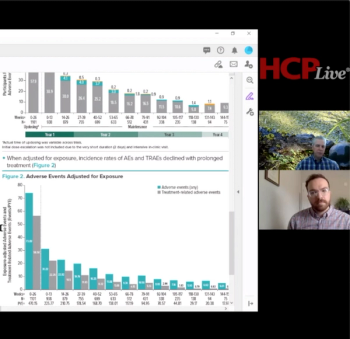
A discussion on continued research into the first regulated treatment for pediatric peanut allergy.

The indication was granted on the basis of data showing an 84% survival rate among a young pediatric population that face fatal disease severity.

The Ad26 platform has been used in vaccines administered to nearly 200,000 real-world and clinical trial participants

New research show the novel DNRI benefits patients both adherent and not to their OSA primary therapy.

The monoclonal antibody may provide a novel treatment pathway for the chronic, often deadly pulmonary disease.
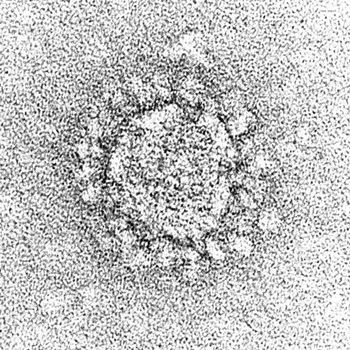
Uncovering the zoological host that first transmitted the virus to humans could inform factors relevant to this pandemic—and the next one.
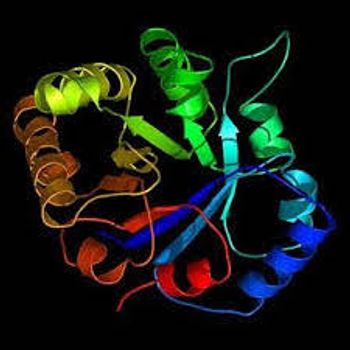
Phase 3 COMET findings show the Sanofi Genzyme product delivered significantly improved efficacy and safety for the rare autosomal disorder.

A Stanford Cardiovascular Institute expert details a recent review into managing a growing field of agents.
The indication is the first granted to an ANGPTL3 inhibitor in the US.
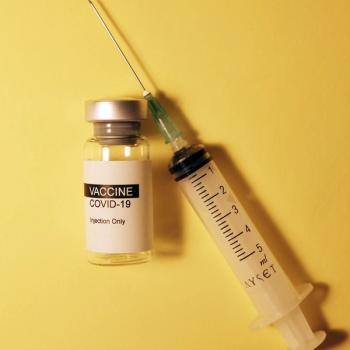
An expert weighs in on the strengths, makeup, and timeframe of current and upcoming vaccine options.

A meta-analysis review suggests intradermal flu vaccines at lower doses could provide as much immunogenicity as standard intramuscular doses.

New WORLDSymposium findings show a treated patient had 100% reduction in the accumulating fatty substrate associated with the burdensome rare disease after 1 year.

A cohort assessment shows a 57% increased risk of pediatric asthma development among children given PPIs to treat gastrointestinal tract disorders.

A conversation around how burnout, COVID-19, politicization, and career progression programs influence the state of the largest US healthcare team.

National survey data suggest that, well before COVID-19, the largest healthcare workforce in the US has been challenged by understaffing and stressful situations.
A conversation with an expert virologist and public health advocate on the scientific and societal machinations of COVID-19 vaccination.
If approved, the 2 vaccines would join Pfizer and Moderna as authorized vaccines against COVID-19.

Pending FDA decision, the Viaskin Peanut patch would be considered for lengthier benefit studies.
Anne Dixon, MD, explains how it took 6 years to update recommendations for new asthma therapies.

The epicutaneous immunotherapy for peanut allergy is continuing discussions with the FDA. What is its potential in allergic care?
The University of Chicago hypertension expert discusses new ADA recommendations for cardiovascular risk management.