
The PCSK9 inhibitor was linked to 27% mean reduction in LDL-C over 12 weeks.
The PCSK9 inhibitor was linked to 27% mean reduction in LDL-C over 12 weeks.

An interview with a phase 2 investigator on the the novel drug's potential in a field it wasn't originally designed to treat.

The companies hope the mRNA vaccine will become the first to be granted full FDA approval.
New phase 2 data from a 24-week assessment suggest the first-in-class drug could benefit exercise and pulmonary-vascular outcomes.

The US FDA has granted a second approval to treprostinil (Tyvaso) inhalation solution, this time for the treatment of patients pulmonary hypertension associated with interstitial lung disease (PH-ILD) to help improve exercise ability.
The supplemental approval for Tyvaso comes on the basis of clinical evidence showing benefit for pulmonary and cardiovascular outcomes in adult patients.
A subgroup analysis from DAPA-HF show the SGLT2 inhibitor provided efficacy regardless of HFrEF patient gender.
The new indication for the liposomal-combination therapy is based on safety outcomes from a pair of single-arm trials.

A budget impact analysis suggest the burgeoning drug class may not be as available as it could be for sickle cell patients.

Overdiagnosis of the infection is driving drug resistance while cases increase. A team of experts consider the value of stewardship in refining care.

New nationally-representative data show substance-specific use disorders differ in young persons based on when they first experimented.
An expert physician in cardiology and metabolic management walks through a presentation on identifying, addressing, and continually treating for heightened cardiometabolic risk.

On World TB Day, experts from the ALA and CDC reflect on the recent issues of tuberculosis.

A study from ENDO 2021 indicates moderate-to-severe COVID-19 infections are associated with atypical thyroid inflammation.

In commemoration of World TB Day, a CDC and ALA expert discuss how TB still exists in the country.
The independent DSMB was concerned over the primary efficacy results shared by AstraZeneca in its interim report Monday morning.

The vaccine was also 100% effective in preventing severe disease.
CDC tuberculosis lead Dr. Phillip LoBue joins to discuss the past and present issues of the disease, in time for TB Awareness Day on March 24.

A single-injection co-formulation of pramlitide and insulin may be a better alternative to separate administrations of both key treatments in adults with T1D, particularly following meals.
In ENDO 2021 data, approximately one-third of an observed COVID-19 patient population in Italy was still experiencing signs of thyroid inflammation after 3 months,

Evening and late-night preferences of women with GDM is linked to a significantly greater risk of preeclampsia and NICU treatment.

The once-daily, 14-day, oral therapy is being investigated for fast-acting clinical response in patients with major depressive disorder or postpartum depression.
The US has an underreported and perpetuating issue with clinician burnout and suicidality. Frontline caregivers consider what 1 year of a pandemic may have done to worsen it.
Vaccinated people may now meet indoors with low-risk unvaccinated individuals without masks or social distancing.
For decades, the drug class has been a highly promising yet selectively used agent in a litany of disease. Its necessity in the pandemic has provided lessons in how it could be utilized in the future.
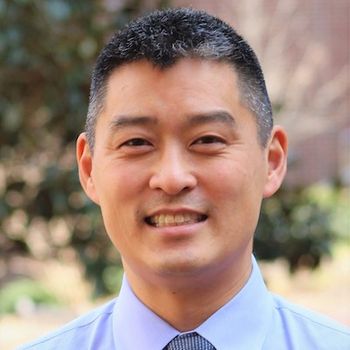
Consideration of how immunotherapy may influence other allergic diseases, patient adherence options, and advancing assessment of peanut allergy options.
Younger patients are faring better, and for longer, with sublingual immunotherapy. A leading investigator discusses what more needs to be learned in the burgeoning field.

A pooled analysis of sleep disturbance-related outcomes showed the IgE inhibitor significantly benefits a burdensome symptom of CRSwNP.
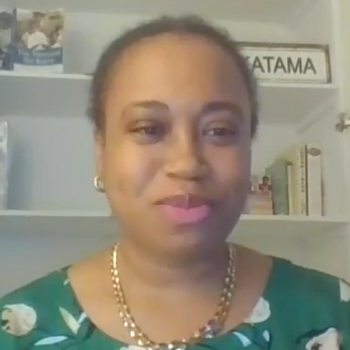
From interpreting currently-understood risks to managing isolation-induced indoor allergen exposure, asthmatics may have concerns they address with clinicians.
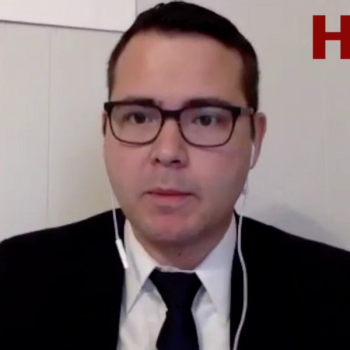
Surveyed patients discharged from the hospital are reporting respiratory burdens beyond 6 months. Are outpatient facilities equipped to manage COVID-19 long haulers?