

New ERS findings show patients hospitalized for COVID-19 bettered from timelier, personalized rehabilitation plans.
New ERS findings show patients hospitalized for COVID-19 bettered from timelier, personalized rehabilitation plans.
A $25 genetic test could inform physicians on optimal controller therapy for children and adolescents with asthma.
Post hoc analysis of REAL-CAD shows the cholesterol metric does not serve to inform statin treatment control of coronary artery disease.
The congress president shares her favorite sessions, and ideas to integrate virtual setting successes into next year's meeting.
What ESC has learned about the benefits and difficulties of online-only forums.

Evolocumab and alirocumab produced LDL-C reduction in patients regardless of underlying mutations, investigators reported.
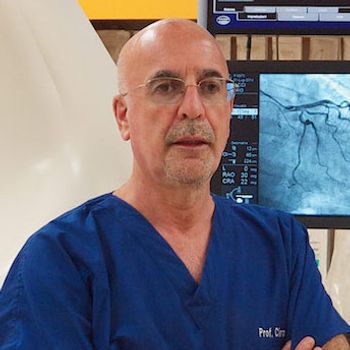
Myocardial infarction patients were provided ECG readings as reliable as those provided by standard devices.
A look at how a major international cardiovascular meeting changed its structure in 4 months.
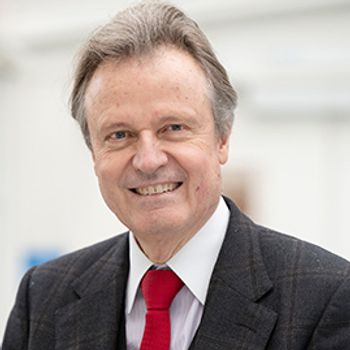
A look at how different organisms are influenced differently by harmful foods or common therapies linked to cardiovascular risks.
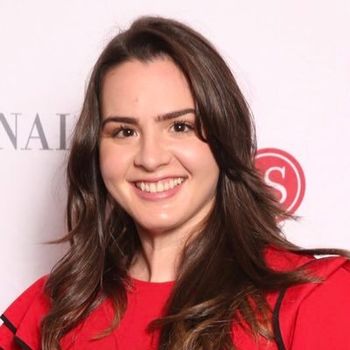
New findings suggest the "obesity paradox" may be explained by rates of exercise among women.

The new findings break ground on placebo-controlled assessment of the PCSK9 inhibitor for the pediatric population.
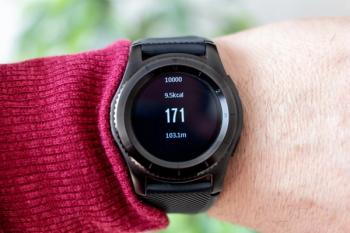
A look at how asymptomatic AFib is being combatted by consumer devices and embraced, large-scale population research.
New cohort analyses show very few patients with atrial fibrillation exercise regularly or rigorously—which could be a detriment to their mortality risk.
Daniel Gaudet, MD, PhD, discusses what's next in clinical pursuits of the greatly underdiagnosed hereditary cardiovascular disease.
A podcast interview with the president of American Society of Preventive Cardiology, on the eve of the ESC 2020 Congress.
PCSK9 inhibitor therapy within 24 hours after PCI was shown to bring LDL-C levels down closer to guideline-recommended goals.
From immunity building to plasma research, a look at some lesser efficient practices adopted or proposed during the pandemic.
David Ho, MD, likens and contrasts the pandemic to 3 other viral outbreaks and their respective responses.
A famed virologist weighs in on the country's earliest shortcomings—and how they can still be resolved today.
The indication limits the new opioid to clinical setting use—no take-home prescriptions.

New findings suggest differing chronic lung diseases are associated with varying risk factors among COVID-19 patients.
World-leading virologist and AIDS researcher David Ho, MD, joins the inaugural podcast episode.
The fast-acting therapy has been long-discussed for its unique benefits to severe patients—as well as notable concerns surrounding its administration.
The pandemic has burdened blood drives nationally. A new sickle cell drug keeps patients from needing as many transfusions.
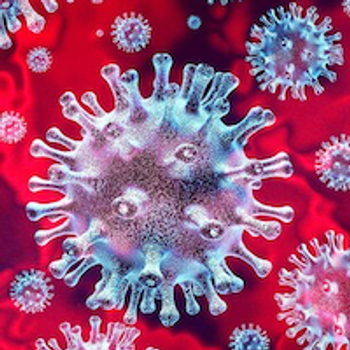
A recap of an expert-led webinar on vaccine developments for COVID-19.
A discussion on how thromboembolism research and care could benefit from progression in diagnostics.

The expansion makes history for the injection biologic.

A new systematic review and meta-analysis challenges the notion that preventing VTE is associated reduced mortality risk.
How has the new agent fared in its indicated patients in its first year on the market?
An interview with a Cleveland Clinic investigator on adjusting macular edema screening methods.