
In an era of triple therapy combinations, what might a tailored approach look like?
In an era of triple therapy combinations, what might a tailored approach look like?

New findings from the 8000-plus patient ETHOS trial shows triple inhaler therapy siginificantly betters patient mortality and symptoms over 52 weeks versus dual therapy.

After promising early findings for the investigative therapy in a rare form of blindness, investigators turn to the next phase.

Ken Ataga, MD, discusses new developments in interpreting the condition's progression and effect on patients.
A 20-year dream becomes a necessity in the days after COVID-19 began to spike. Who helped to bring it practice, and what does it look like now?

Gauging patient wellbeing prior to intravitreal injections may help inform clinicians as to who may fare worse with the treatment.
A breakdown of a new 12-month, phase 1b/2 assessment of the RNA therapy in patients with LCA10.

A new assessment shows about 60% of treatment-naive patients are not prescribed the most common drug class within 1 year of secondary edema.

What risks of severity do patients face with viral infection?
A look at how the rare pulmonary disease field of research has been limited.
The indication is just the second for a therapy treating the rare autoimmune disease.
A look at the appropriate referral and promising agents for care of the rare pulmonary disease.
Greg Cosgrove, MD, explains how the respiratory condition can be overlooked by patients and clinicians.

A new paper highlights the means by which child healthcare, a "human science," will rebound from the pandemic.

A new Canadian Thoracic Society guidance sets recommendations for continued or halted use of inhaled steroids, nebulizers, biologics, and more.
The biologic has now shown significant efficacy in treating 4 different atopic or type 2 inflammatory diseases.

How clinical data for the interleukin-targeting class will begin to dictate more treatement decisions and research progression.
The newest indication for the add-on biologic grants it use in children aged 6-11 years old with moderate to severe, uncontrolled atopic dermatitis.

Blood eosinophil count, exacerbation rate, and time to exacerbation were all bettered among patients who sustained therapy versus those who discontinued.

New findings from ATS show the residual effects of vaping-associated lung distress.

The lead PATHWAY investigator explains the intent and outcomes from the most recent phase 2B findings.

A discussion with a study author on promising new findings for the combination inhaler therapy.
Little is understood about the systemic markers of worsening COPD. Investigators have observed at least 3 novel pathways.

A new assessment shows risk reduction is even more significant among COPD patients who have smoked.
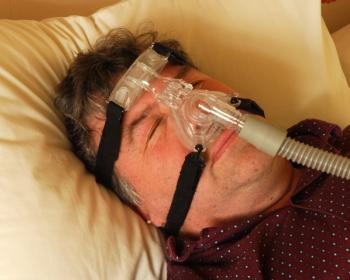
A six-month study shows the common OSA therapy could have long-term benefit for reducing eventual cardiovascular risk.

An assessment of FF/UMEC/VI in a single inhaler show its benefit in respiratory function among COPD patients at 24 weeks.
A 52-week assessment shows patients of varying interleukin serum levels equally benefitted from the TSLP inhibitor.
New ATS findings show the IL-5 inhibitor has sustained and oftentimes improved benefit in patients from 6 months to 12.
Dr. Ian Pavord discusses new meta-analyses of dupilumab planned for ATS 2020 on the DocTalk podcast.
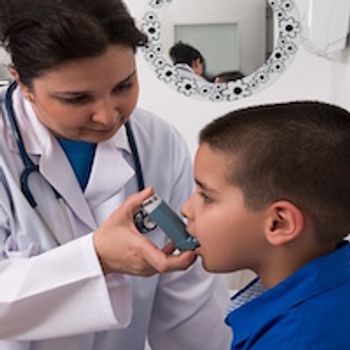
Patients with the splice variant were significantly less likely to have raised blood eosinophil counts.