
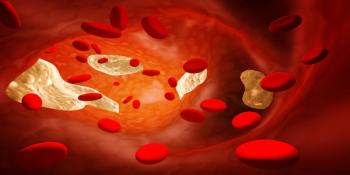
Results of a pooled analysis of trials from the ORION program offer further insight into the effects of inclisiran on LDL-C in patients with atherosclerotic cardiovascular disease.
Results of a pooled analysis of trials from the ORION program offer further insight into the effects of inclisiran on LDL-C in patients with atherosclerotic cardiovascular disease.

Presented at ACC 20, findings from the VICTORIA trial show the novel therapeutic may reduce risk of severe outcomes among high-risk patients with heart failure with reduced ejection fraction.

New PRONOMOS data shows patients receiving lower limb surgery benefit significant from the oral anticoagulant—without increased risk of bleeding.

New trial data shows symptomatic patients with aortic stenosis reported noninferiority in rehospitalization and deaths with the lesser invasive option compared to surgery.

A new ACC 2020 study shows the modifiable levels of CVD risk are distinguishable to long-term event possibility.

A heart failure and transplant cardiologist assesses the new study findings.

Pooled pivotal phase 3 trial data from the ORION program shows the first-in-class therapy's significant benefit and tolerability versus placebo.

A board member of the college highlights 4 highly anticipated trials coming out of ACC 2020.

New VICTORIA findings show the novel therapy may reduce risk of severe outcomes among high-risk patients with HFrEF.

New findings show eligible men and minority group patients are less likely to receive a fill for the novel drug class.

Electronic cigarette use has grown to approximately 1 in every 20 US adults, according to new findings presented virtually at the American College of Cardiology (ACC) 2020 Scientific Sessions this week.

A new study assesses the preference and benefit of conscious sedation versus general anesthesia in TAVR patients.

An open-label extension of GLAGOV shows the monoclonal antibody plus statin therapy is not associated with any new safety concerns.
How cardiovascular experts have been communicating with international colleagues to inform local care response.

What effect may professional athletes receiving asymptomatic tests have on the public perception of the coronavirus?
An ACC board member explains the major cardiology college's decision to move the meeting online during the COVID-19 pandemic.

The Mount Sinai expert and ACC late-breaking presentation panelist highlights her most anticipated trial data and discussions in the upcoming meeting.

Muthiah Vaduganathan, MD, MPH, discusses how research of the add-on drug class will continue to evolve into 2021.
What's known about at-risk cardiometabolic patient care during the pandemic.

A Keck Medicine expert explains how the California-based institution has pooled resources and personnel during their pandemic response.

How will heart valve options refine and progress over the coming year?
A discussion with a Brigham and Women's Hospital cardiologist on the research of the add-on cardiometabolic drug class.

Lisa Stein Gold, MD, of Henry Ford Hospital discusses promising phase 2 data for a new PDE4 inhibitor.
How coronavirus spread has affected a New York institution's invasive cardiology department.
The author of the first systematic evaluation of commissural alignment in TAVR shares his team's findings.
About 1 in every 20 adult Americans now reguarly uses vaping and e-cigarette products.

In the final segment of the series, experts look ahead to how pain management will grow to treat the millions of burdened Americans.

Lessons learned when traveling home during the COVID-19 pandemic.

The former SCCM president speaks on the risk of facing ICU-trained personnel shortages during the coronavirus spread.

In part 3 of Painkiller: A History of Crisis, we explore the data behind the 3 waves of the opioid epidemic.